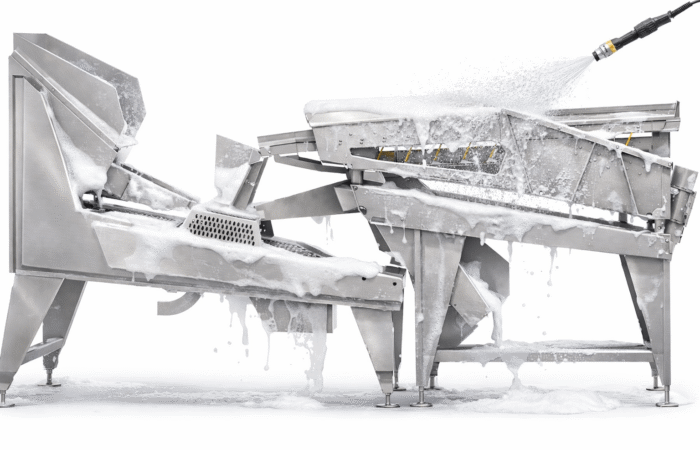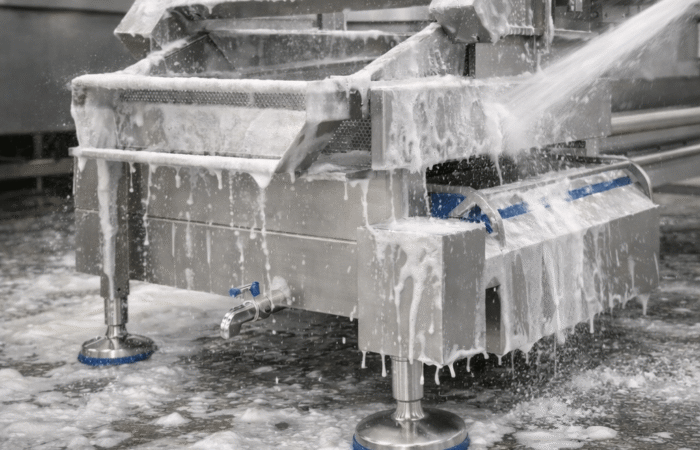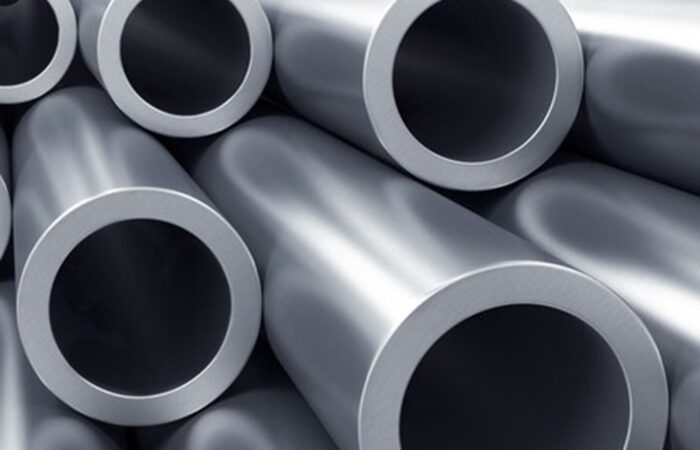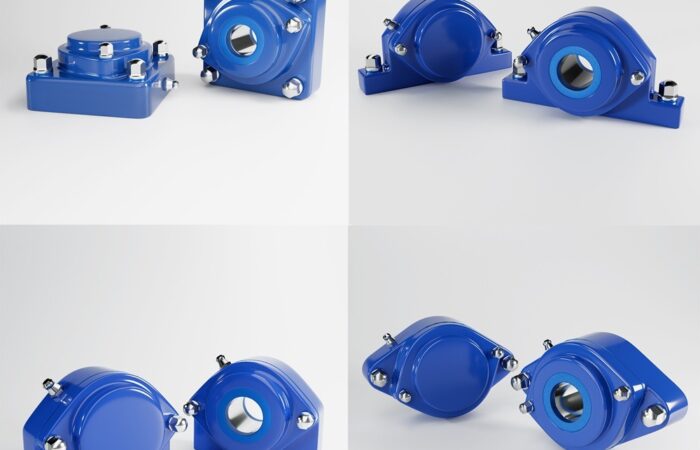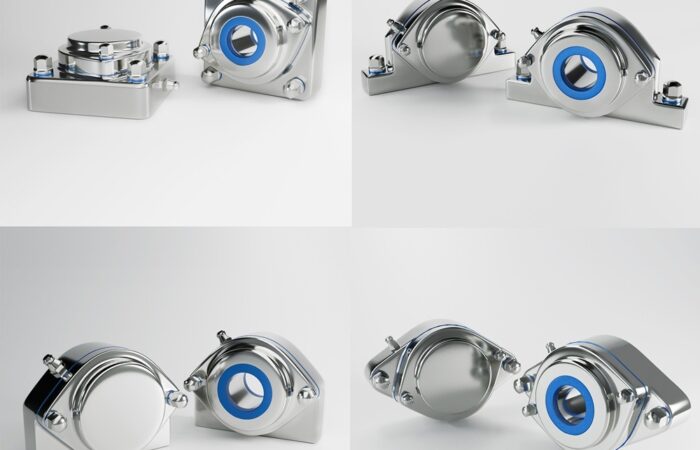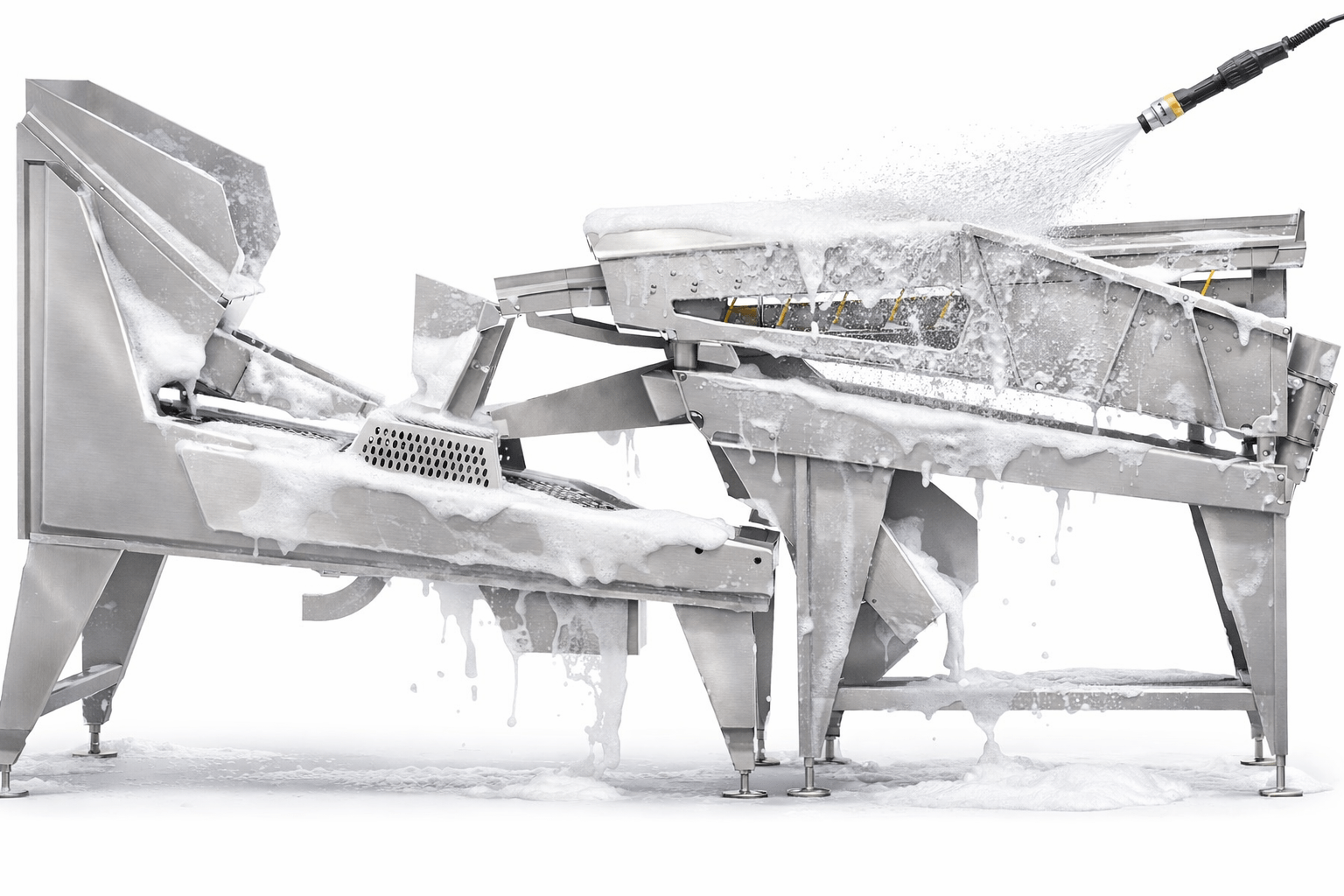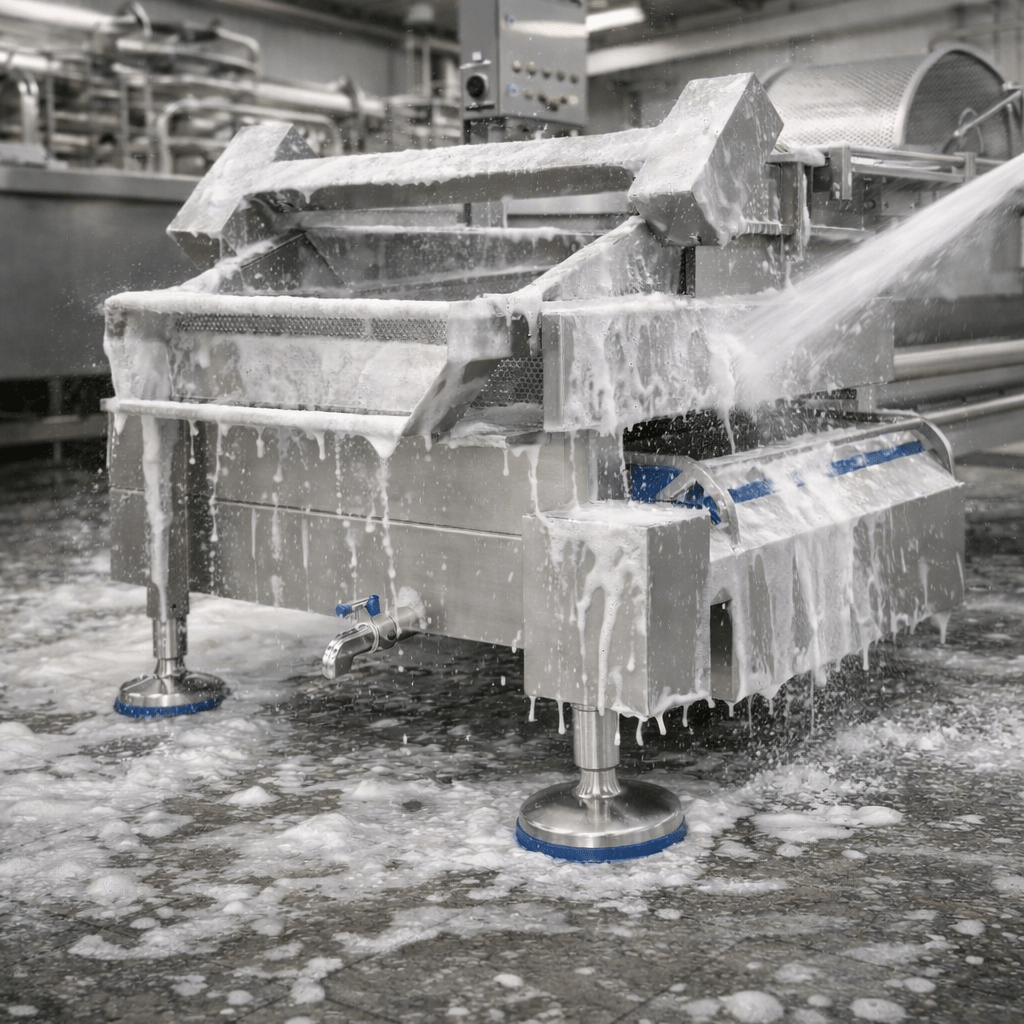











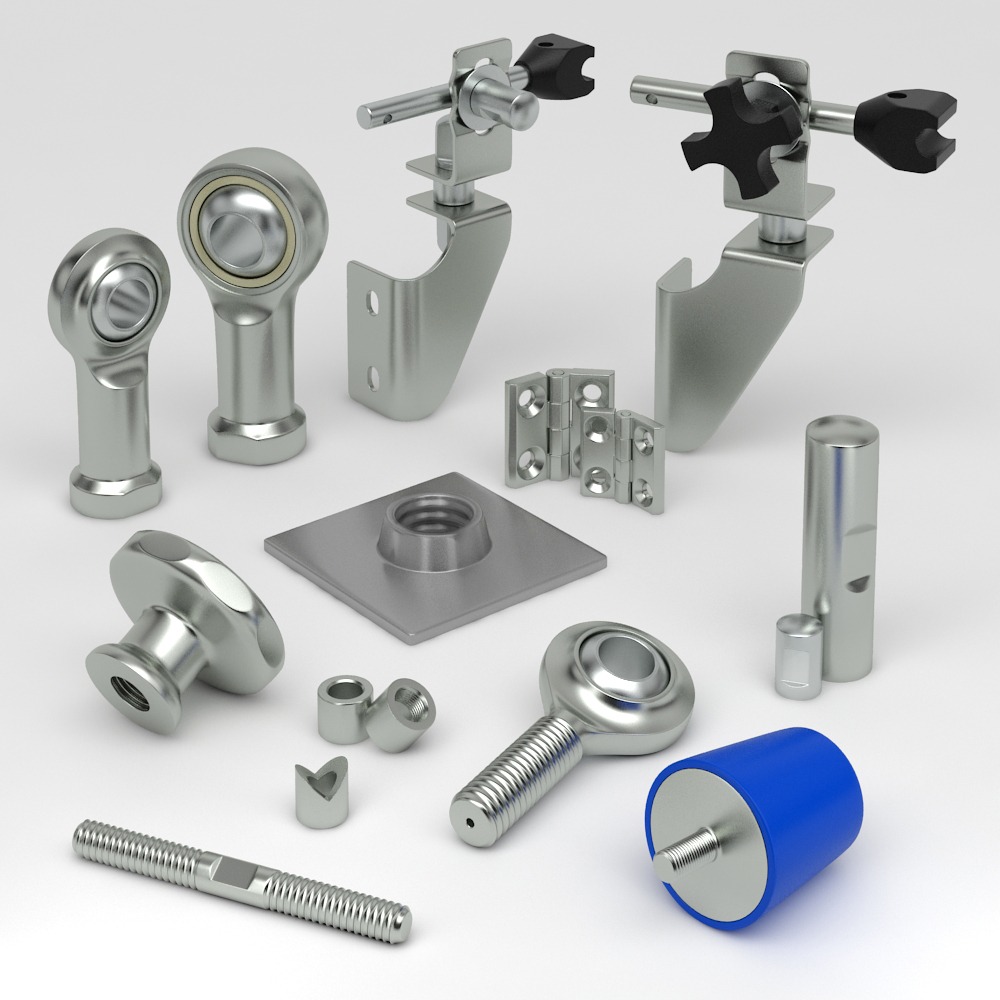

Conveyor systems play a pivotal role in the sanitary and hygienic industries, such as food processing, pharmaceuticals, and cosmetics. Within these systems, stainless steel conveyor side guides stand out as a critical component. Their durability, ease of cleaning, and resistance to corrosion make them an ideal choice for industries where cleanliness and efficiency are paramount. Conveyor side guides are essential for maintaining product stability and alignment as items move through the production line. Whether transporting food items, pharmaceuticals, or personal care products, these guides prevent spillage, reduce waste, and enhance operational efficiency. In sanitary industries, their material composition and design become critical to ensuring hygiene and compliance with regulatory standards. Sanitary industries often involve exposure to water, chemicals, and cleaning agents. Stainless steel’s corrosion resistance ensures that the conveyor side guides remain intact and functional even after repeated washdowns, preventing contamination from rust or degraded materials. Stainless steel is non-porous and smooth, making it resistant to bacteria and easy to clean. In industries like food and pharmaceuticals, where strict cleanliness protocols are mandatory, stainless steel ensures thorough sanitation with minimal effort. Conveyor side guides made from stainless steel are robust and can withstand the physical demands of high-speed operations. This durability reduces the frequency of replacements, lowering operational costs over time. Sanitary industries are governed by stringent hygiene standards, including those set by the FDA, USDA, and EHEDG. Stainless steel components often meet or exceed these requirements, ensuring compliance and reducing the risk of penalties or recalls. Beyond functionality, stainless steel conveys a sense of cleanliness and professionalism. For industries that prioritize brand reputation, using stainless steel components in visible parts of the production process can reinforce trust among consumers. In food processing, contamination can lead to product recalls and significant financial losses. Stainless steel side guides help maintain a clean environment during the processing of meat, dairy, baked goods, and beverages. Their hygienic properties make them indispensable for conveying raw and packaged food items. The pharmaceutical industry demands precision and sterility. Stainless steel guides ensure that pills, capsules, and vials remain aligned while moving through production, reducing the risk of spillage and maintaining a contamination-free process. For products like lotions, creams, and shampoos, cleanliness during production is critical. Stainless steel side guides ensure smooth transportation and reduce the chances of residue buildup, enhancing the quality of the final product. The smooth surface of stainless steel prevents the accumulation of dirt, grime, or bacteria, which can occur with materials like plastic. This characteristic is vital in industries where cross-contamination must be avoided. Stainless steel is compatible with Clean-in-Place (CIP) systems, allowing automated cleaning without dismantling the conveyor system. This capability reduces downtime and labor costs, improving overall operational efficiency. Sanitary industries often involve extreme temperatures or harsh chemicals during cleaning. Stainless steel withstands these conditions without compromising its structural integrity, ensuring consistent performance over time. Not all stainless steel is created equal. For hygienic applications, grades like 304 and 316 are preferred due to their superior corrosion resistance and non-reactive properties. Side guides should be designed for easy installation and adjustment to accommodate different product sizes and conveyor configurations. While stainless steel components may have a higher initial cost, their durability and reduced maintenance requirements offer significant long-term savings. In addition to their functional advantages, stainless steel conveyor side guides are an environmentally friendly choice. Stainless steel is 100% recyclable, aligning with the sustainability goals of many modern industries. By choosing stainless steel, companies can reduce their environmental impact while maintaining high standards of hygiene. In sanitary and hygienic industries, the importance of using the right materials cannot be overstated. Stainless steel conveyor side guides offer unmatched benefits, including corrosion resistance, durability, and ease of cleaning. They not only ensure compliance with stringent hygiene standards but also enhance operational efficiency and sustainability. Whether you’re in the food, pharmaceutical, or cosmetics industry, investing in stainless steel conveyor side guides is a decision that pays dividends in quality, safety, and cost-effectiveness. Optimize your production line today with stainless steel conveyor side guides designed to meet the highest standards of hygiene and efficiency. Industrial machinery requires precision-engineered components that meet exacting standards for durability, safety, and performance. This comprehensive guide explores the essential machinery parts that drive modern manufacturing across food processing, packaging, and chemical industries. Understanding the difference between Pillow Block Units and Flange Bearing Units is crucial for engineers and procurement professionals seeking to optimize equipment longevity. Pillow block bearings, also known as plummer blocks, are self-aligning bearing units that simplify installation and significantly reduce maintenance costs. These versatile components mount on machine frames and support rotating shafts with exceptional precision, ensuring smooth operation in demanding industrial environments. Flange bearing units offer a more compact alternative, featuring integrated flanges that enable direct mounting to flat surfaces without additional hardware. Both designs come in various materials, including stainless steel grades optimized for corrosive environments and food-grade applications where hygiene is paramount. The importance of material selection cannot be overstated in machinery design. 440 Grade Steel and 420 grades offer distinctly different properties suited to specific applications and environmental conditions. The 440 stainless steel variant provides superior hardness and exceptional edge retention, making it ideal for cutting tools and high-wear applications requiring maximum durability. Meanwhile, 420 stainless steel offers better corrosion resistance and is preferred in food processing equipment where chemical exposure is common. Hygienic stainless steel components have become essential in food machinery, meeting EHEDG standards and facilitating rapid equipment cleaning required in modern food production facilities. Understanding ingress protection ratings is equally critical for machinery durability and operational reliability. IP67 rating ensures protection against dust and temporary water immersion, while IP68 rating provides complete dust protection and sustained water immersion capabilities for submerged operations. The IP69K standard represents the highest protection level, specifically designed for high-pressure wash-down environments found in industrial food processing facilities. These ratings define how effectively machinery components withstand environmental challenges and maintain performance. Modern industrial facilities increasingly demand equipment that combines high performance with ease of maintenance and sanitation. The choice between different bearing types depends on operational requirements, environmental conditions, and budget constraints. Proper component selection ensures extended equipment lifespan, reduced downtime, and improved operational efficiency.Why Stainless Steel Conveyor Side Guides Are Indispensable in Sanitary and Hygienic Industries
NHK insight
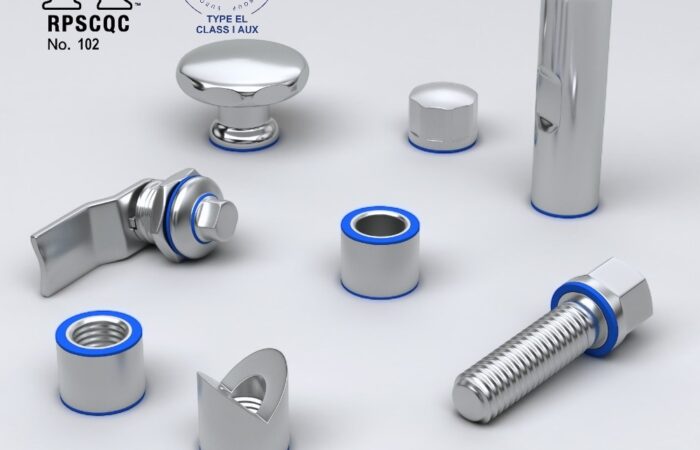
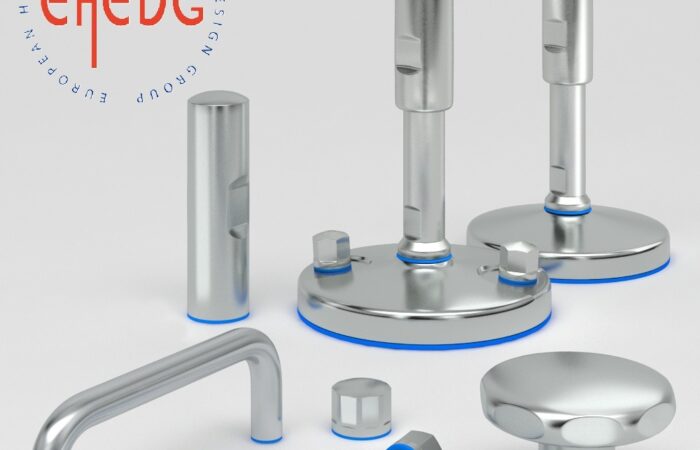
“Certification logos are not just marketing – they represent tested cleanability, drainability, and robustness under real process conditions.”Download our catalogue here
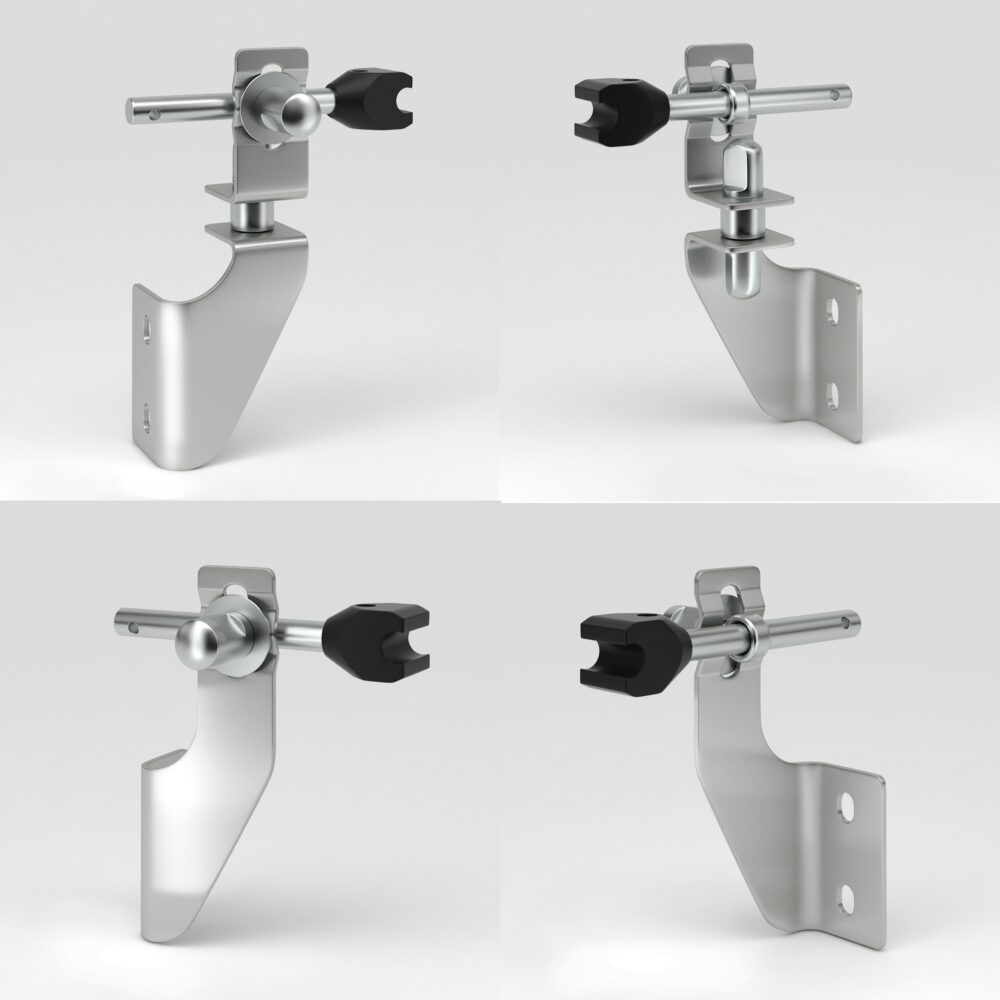
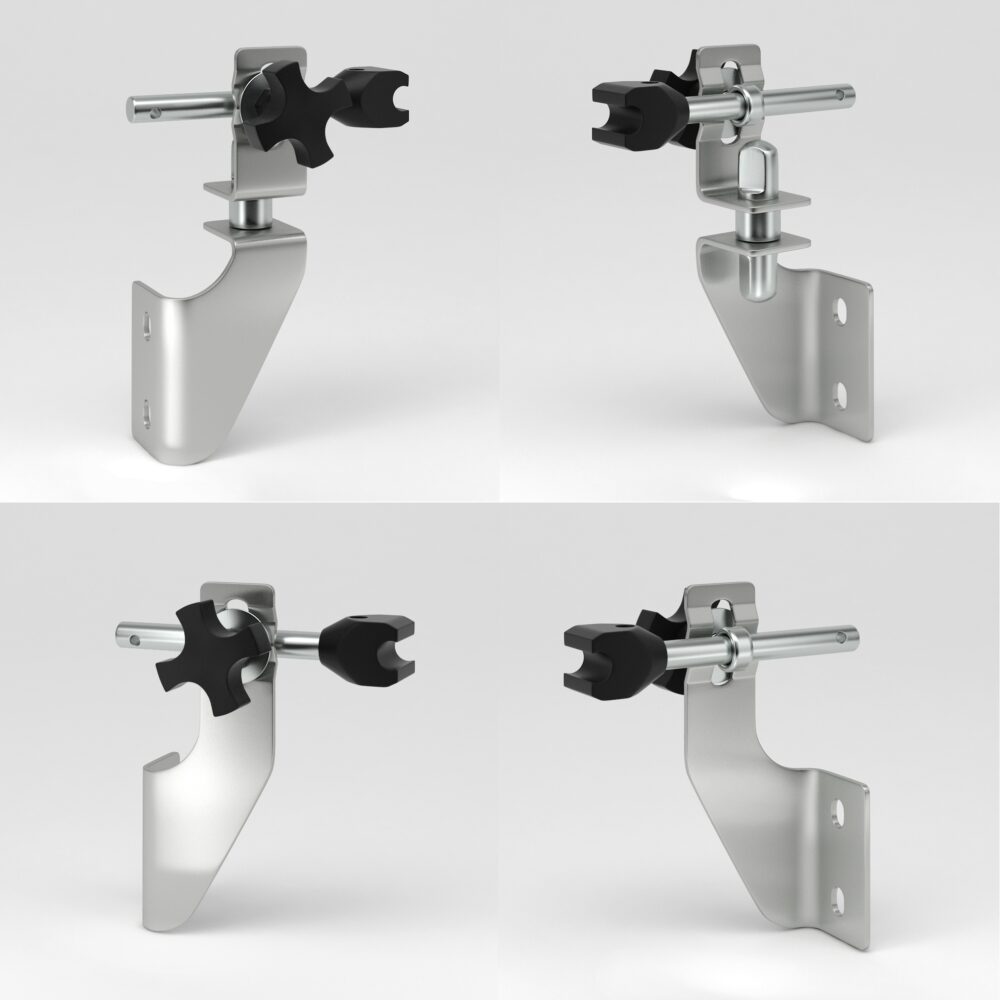
See our Stainless Steel Side Guides here
The Role of Conveyor Side Guides
Why Stainless Steel?
1. Corrosion Resistance
2. Ease of Cleaning
3. Durability and Longevity
4. Regulatory Compliance
5. Aesthetic and Branding Value
Applications of Stainless Steel Conveyor Side Guides in Sanitary Industries
Food Processing
Pharmaceutical Manufacturing
Cosmetics and Personal Care Products
How Stainless Steel Side Guides Enhance Hygiene and Efficiency
Minimizing Bacterial Growth
Supporting Clean-in-Place (CIP) Systems
Temperature and Chemical Resistance
Factors to Consider When Choosing Stainless Steel Side Guides
Grade of Stainless Steel
Design and Adjustability
Cost vs. Long-Term Value
Sustainability Benefits
Why Use Conveyor Side Guides in Stainless Steel in Sanitary and Hygienic Industries
Contact
Articles
Understanding Machinery Components & Protection Standards