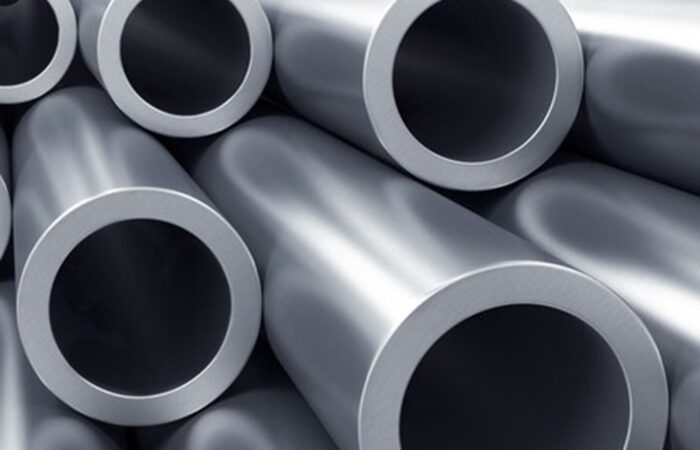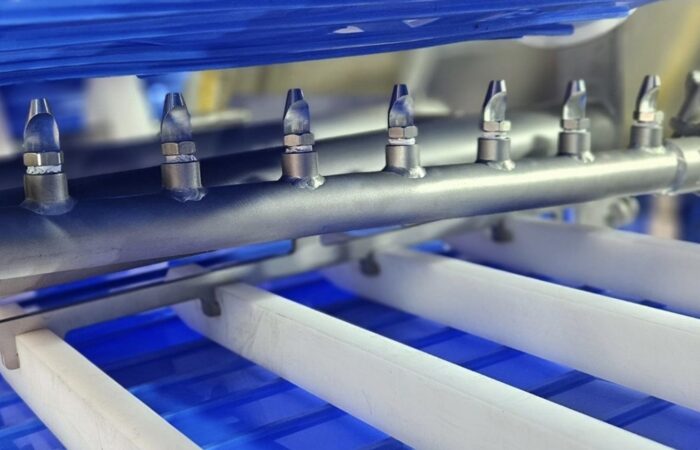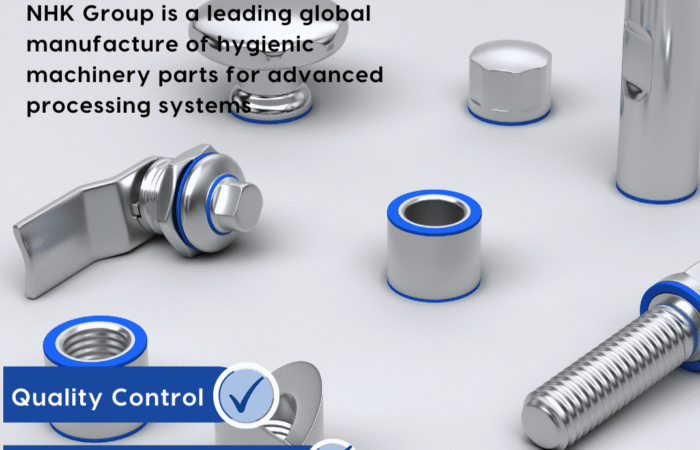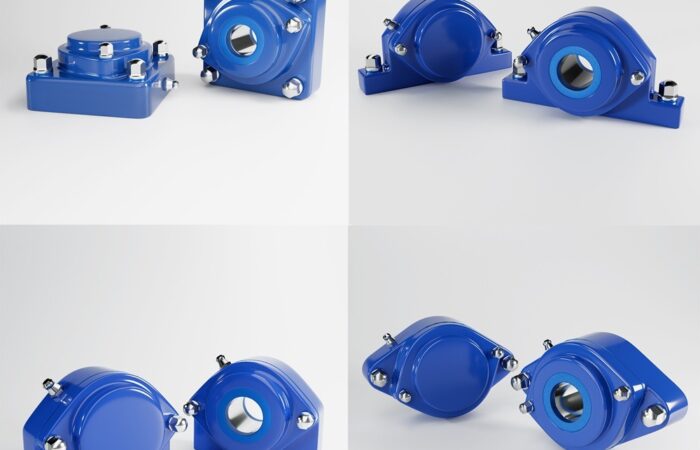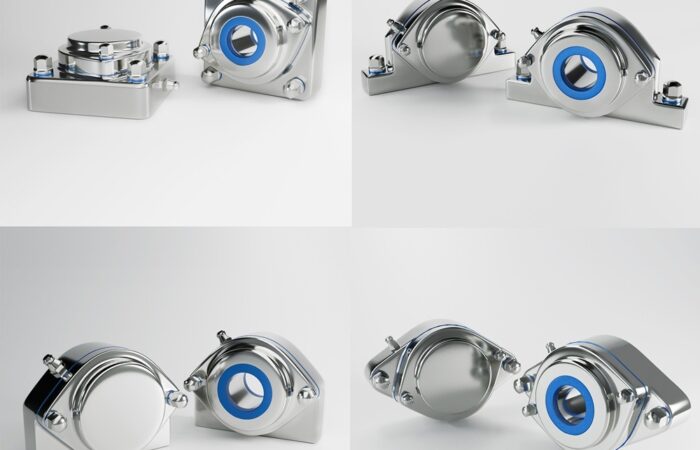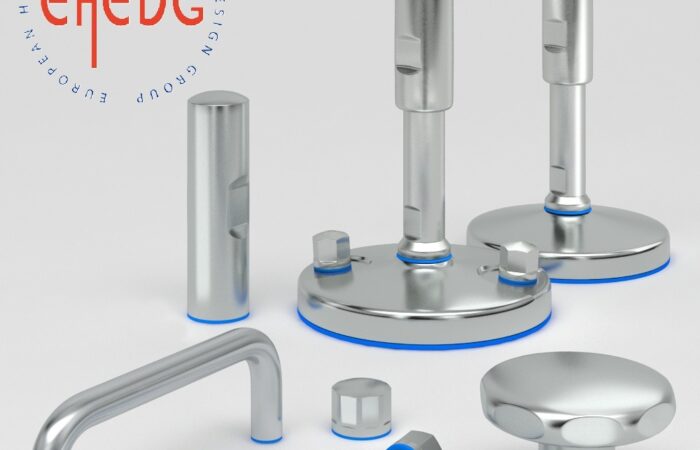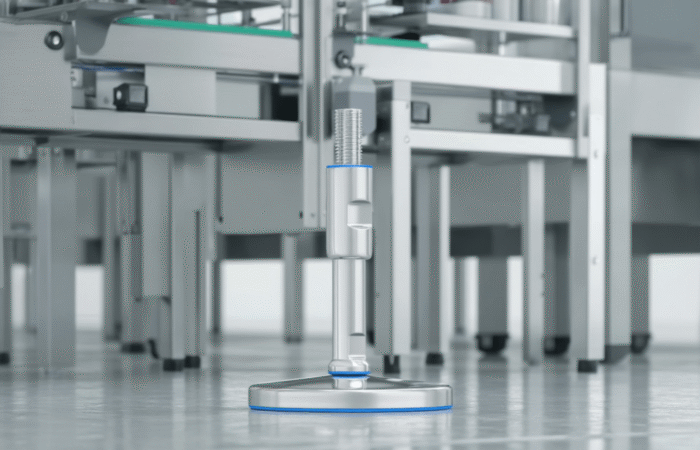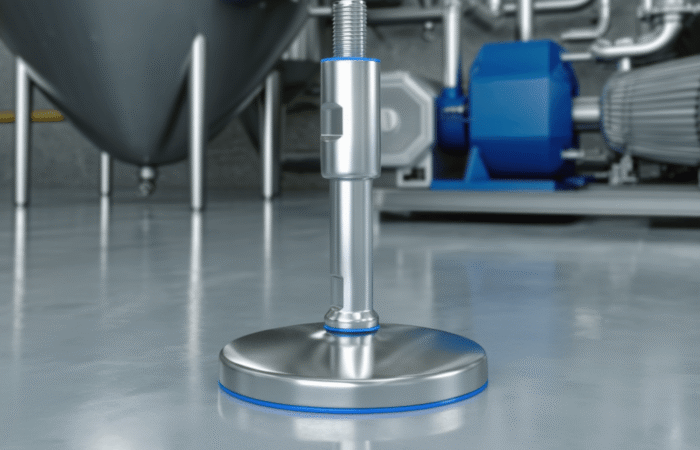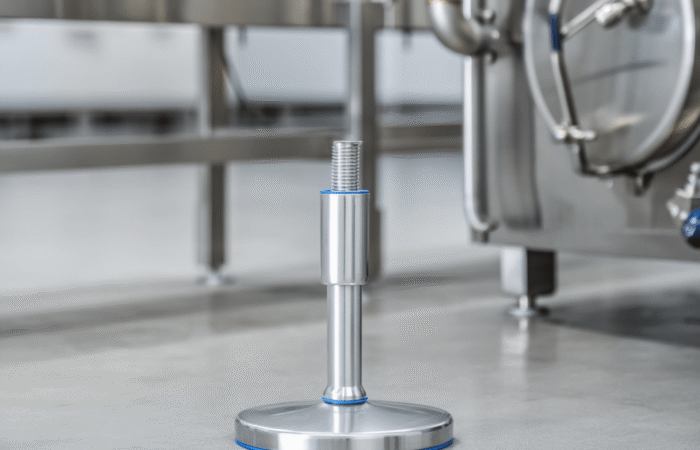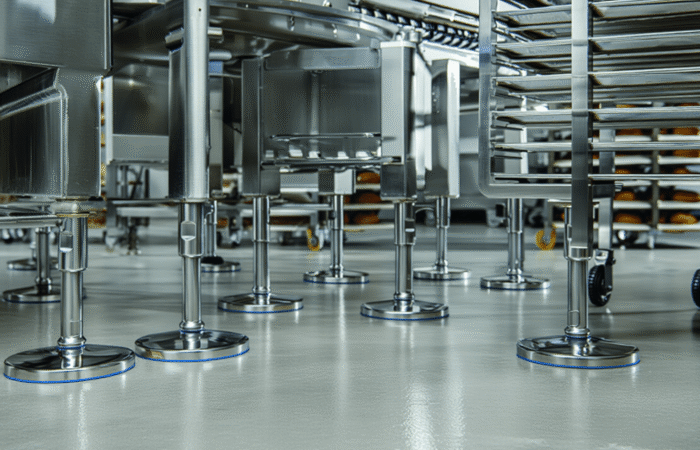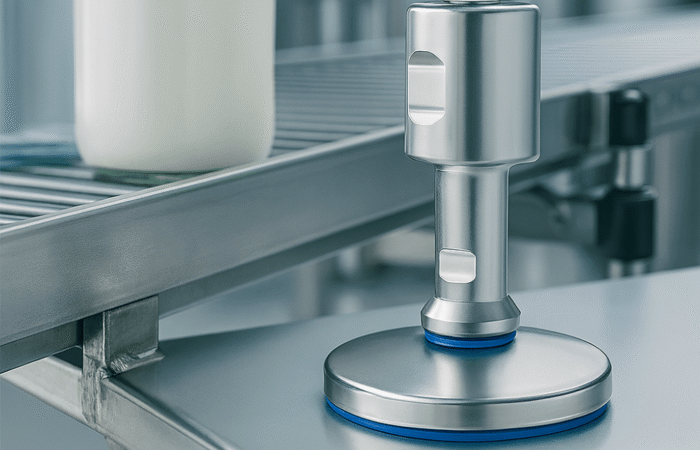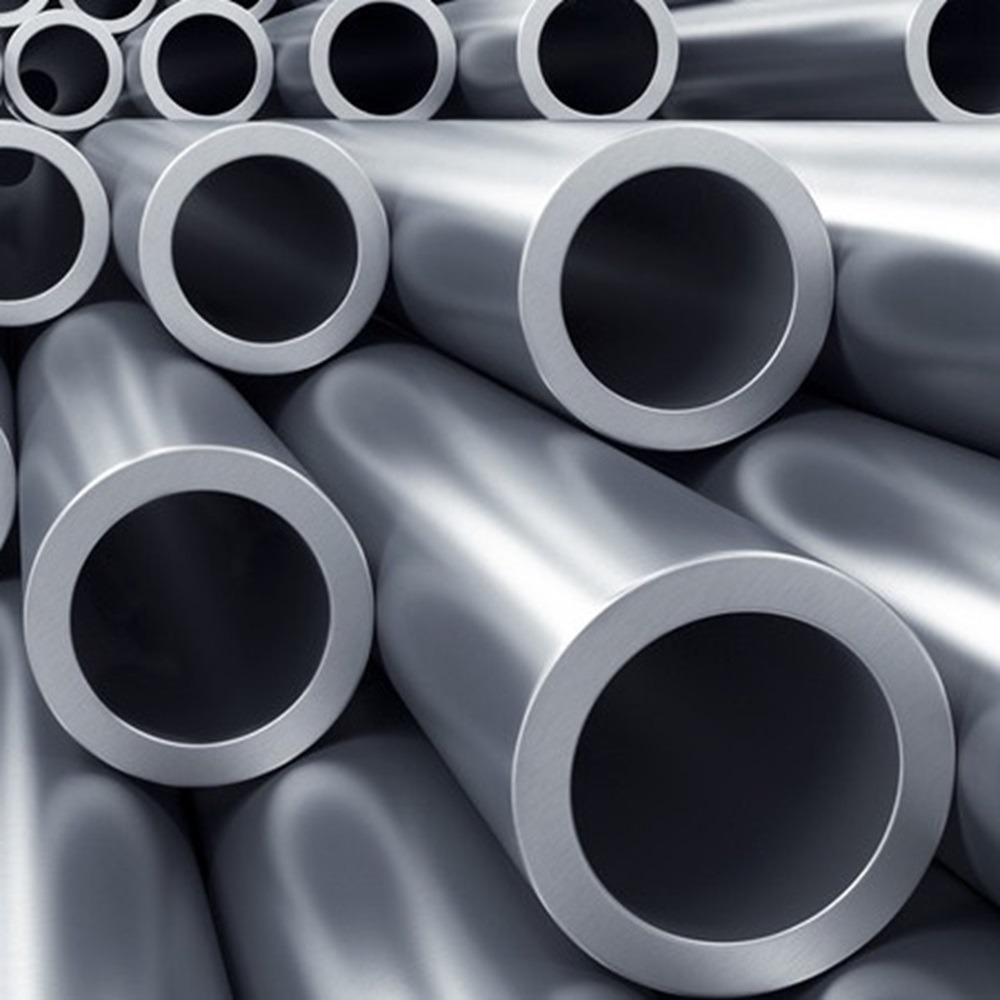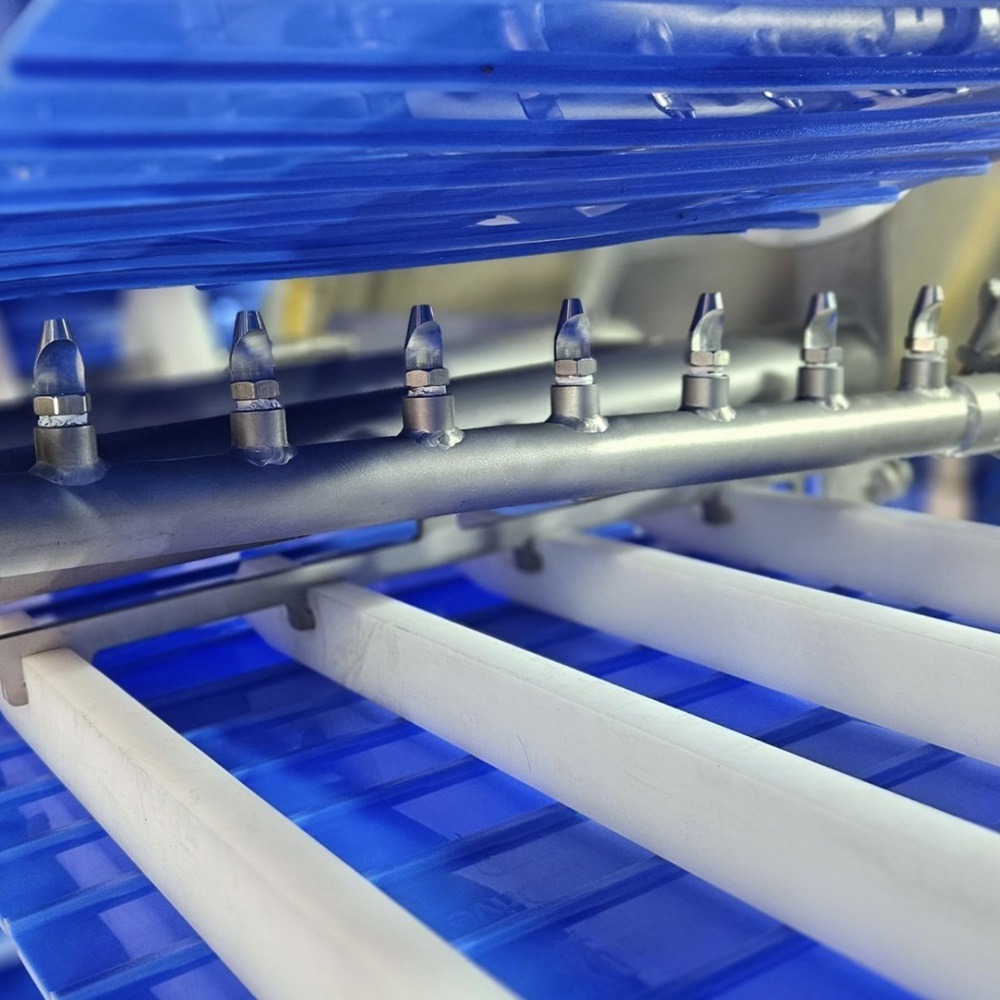











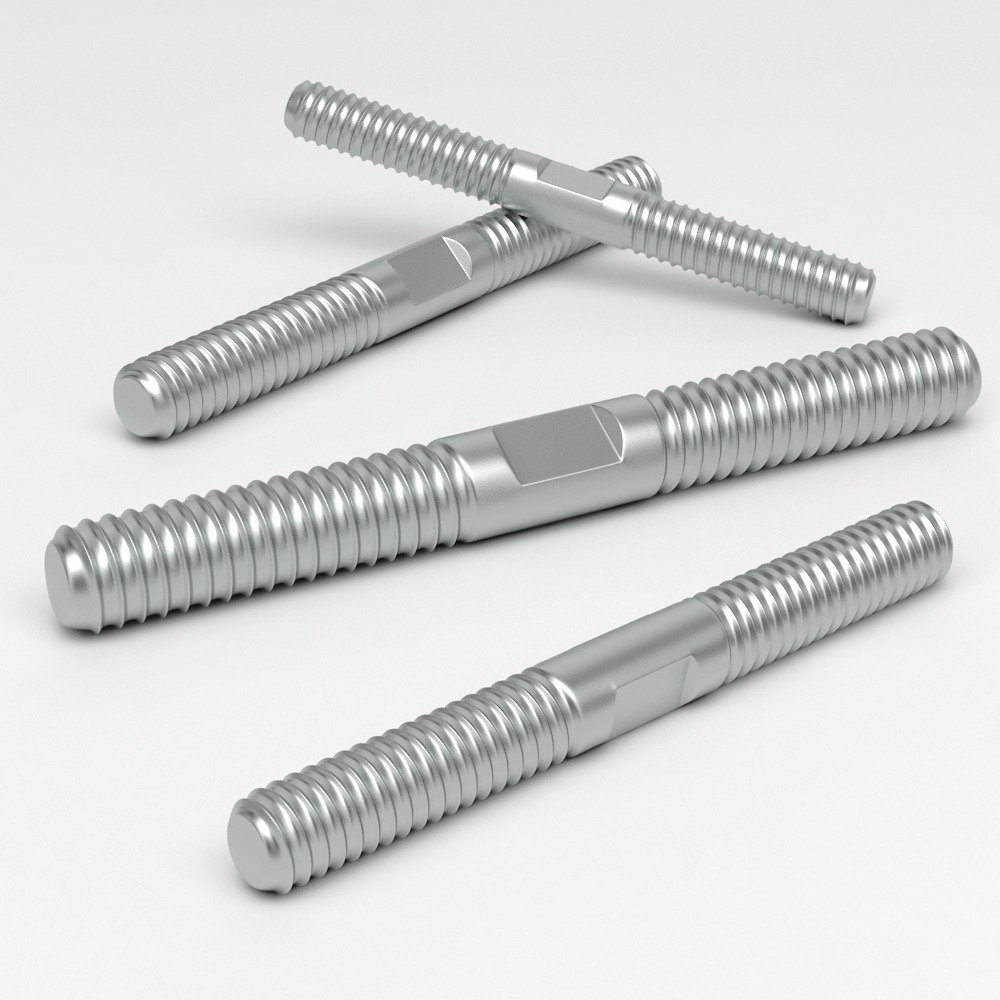

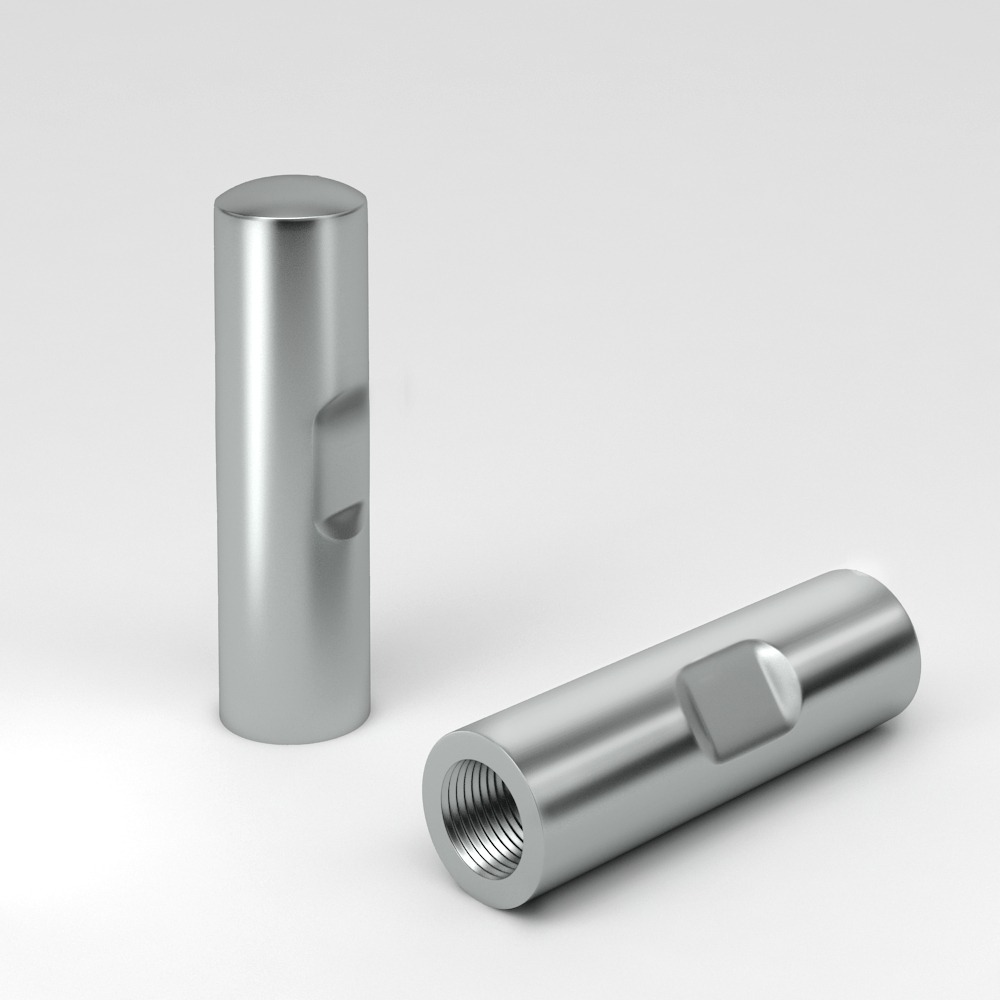
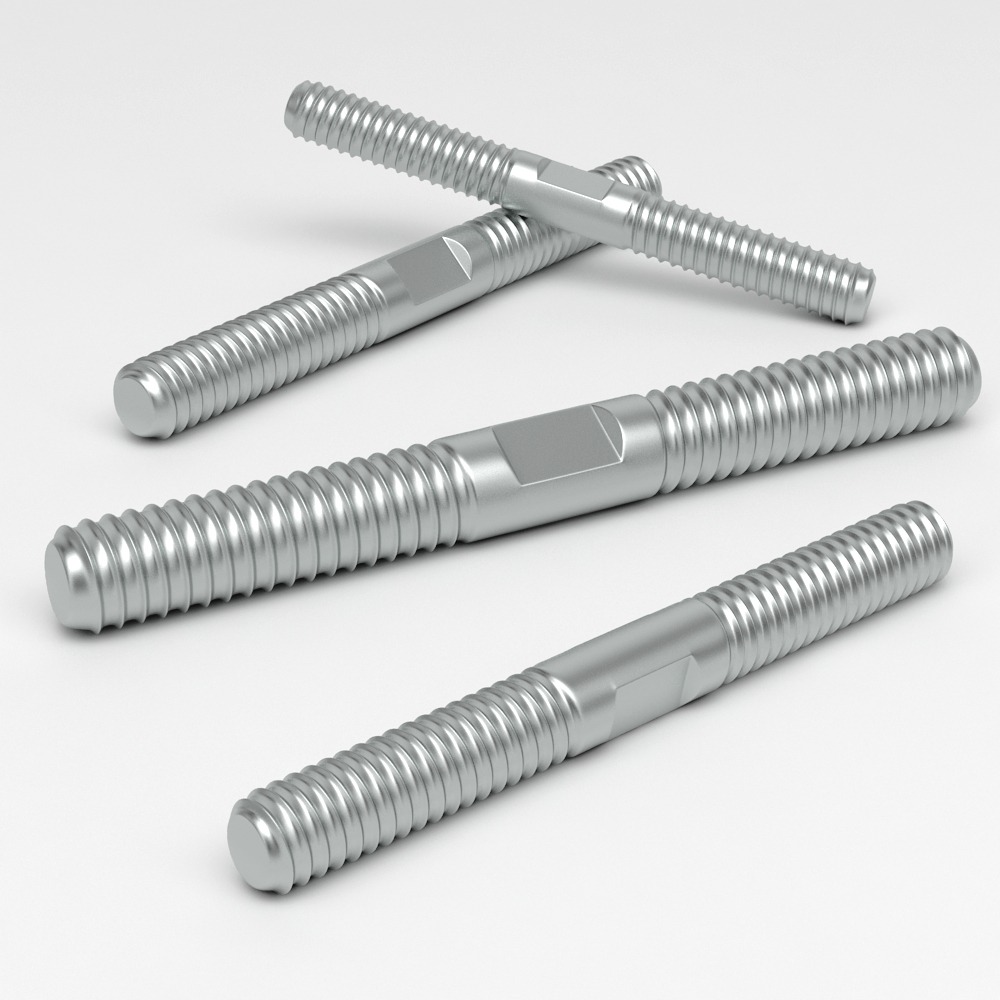
Stainless steel mounting rods are a cornerstone in various industries, prized for their strength, corrosion resistance, and adaptability. From construction to food processing, these components are designed to meet stringent standards while ensuring durability and functionality. In this article, we delve into the many facets of stainless steel mounting rods, exploring their applications, benefits, and the factors to consider when choosing the right product for your needs. Stainless steel mounting rods are designed for tasks requiring exceptional strength, precision, and durability. They serve as structural supports, alignment tools, or fastening elements in industries where reliability is paramount. With their ability to withstand harsh environments and heavy loads, stainless steel mounting rods are indispensable across numerous sectors. One of the standout features of stainless steel mounting rods is their exceptional resistance to rust and corrosion. This makes them ideal for applications in damp or corrosive environments, such as marine engineering, food processing, and chemical manufacturing. Stainless steel rods are designed to handle heavy loads and maintain structural integrity over time. Their robustness makes them suitable for demanding industrial and commercial applications. In industries like food processing and pharmaceuticals, hygiene is a critical factor. Stainless steel’s non-porous surface resists bacterial growth, making it easy to clean and sanitize. These rods are compatible with various fastening systems, making them suitable for multiple purposes, from construction projects to equipment assembly. Stainless steel is 100% recyclable, making it an environmentally responsible choice for industries looking to reduce their carbon footprint. Stainless steel mounting rods play a vital role in construction projects, offering reliable support in frameworks, bridges, and building reinforcements. Their resistance to corrosion ensures longevity, even in extreme weather conditions. In food production facilities, mounting rods are used in equipment such as conveyors, mixers, and packaging machines. Their hygienic properties and compliance with regulatory standards, such as EHEDG and sanitary standards, make them a preferred choice. The sterile environments required in pharmaceutical and biotech sectors demand components that are easy to clean and resistant to contamination. Stainless steel mounting rods meet these requirements, ensuring safety and compliance with industry standards. Marine environments are highly corrosive due to saltwater exposure. Stainless steel mounting rods are widely used in shipbuilding, offshore platforms, and other marine applications, offering unmatched durability. Precision and strength are critical in the automotive and aerospace sectors. Stainless steel rods provide the necessary structural support for components subjected to high stress and varying temperatures. Different grades of stainless steel, such as 304, 316, and 17-4 PH, offer varying levels of corrosion resistance, strength, and machinability. Choose the grade that best suits your application. Understanding the required dimensions and load-bearing capacity is crucial to ensure optimal performance and safety. Polished or coated rods are better suited for hygienic or aesthetic applications, while standard finishes may suffice for industrial use. In industries like food processing and pharmaceuticals, ensure the rods meet relevant standards such as FDA, EHEDG, or sanitary standards certifications. While stainless steel may come at a higher initial cost, its longevity and reduced maintenance needs often outweigh the expense. To maximize the lifespan of stainless steel mounting rods, regular maintenance is essential. Cleaning with mild detergents and avoiding abrasive materials will prevent surface damage. For applications in highly corrosive environments, periodic inspections can help detect early signs of wear or corrosion. Investing in stainless steel mounting rods ensures reliability, hygiene, and long-term cost savings. Their versatility and compliance with industry standards make them a preferred choice for professionals across sectors. Whether you are constructing a high-rise building, assembling medical equipment, or designing marine systems, stainless steel mounting rods provide the strength and durability required for success. Stainless steel mounting rods are more than just industrial components—they are a testament to innovation, reliability, and adaptability. Their widespread use across industries underscores their importance in modern applications. By selecting high-quality stainless steel mounting rods tailored to your needs, you can ensure optimal performance, safety, and compliance with industry standards. For professionals seeking robust and versatile solutions, stainless steel mounting rods remain an essential investment for a wide array of applications. Industrial machinery requires precision-engineered components that meet exacting standards for durability, safety, and performance. This comprehensive guide explores the essential machinery parts that drive modern manufacturing across food processing, packaging, and chemical industries. Understanding the difference between Bearing Housings and Direct Mount Bearings is crucial for engineers and procurement professionals seeking to optimize equipment longevity. Pillow block bearings, also known as plummer blocks, are self-aligning bearing units that simplify installation and significantly reduce maintenance costs. These versatile components mount on machine frames and support rotating shafts with exceptional precision, ensuring smooth operation in demanding industrial environments. Flange bearing units offer a more compact alternative, featuring integrated flanges that enable direct mounting to flat surfaces without additional hardware. Both designs come in various materials, including stainless steel grades optimized for corrosive environments and food-grade applications where hygiene is paramount. The importance of material selection cannot be overstated in machinery design. 440C Steel and 420 grades offer distinctly different properties suited to specific applications and environmental conditions. The 440 stainless steel variant provides superior hardness and exceptional edge retention, making it ideal for cutting tools and high-wear applications requiring maximum durability. Meanwhile, 420 stainless steel offers better corrosion resistance and is preferred in food processing equipment where chemical exposure is common. Hygienic stainless steel components have become essential in food machinery, meeting EHEDG standards and facilitating rapid equipment cleaning required in modern food production facilities. Understanding ingress protection ratings is equally critical for machinery durability and operational reliability. IP67 rating ensures protection against dust and temporary water immersion, while IP68 rating provides complete dust protection and sustained water immersion capabilities for submerged operations. The IP69K standard represents the highest protection level, specifically designed for high-pressure wash-down environments found in industrial food processing facilities. These ratings define how effectively machinery components withstand environmental challenges and maintain performance. Modern industrial facilities increasingly demand equipment that combines high performance with ease of maintenance and sanitation. The choice between different bearing types depends on operational requirements, environmental conditions, and budget constraints. Proper component selection ensures extended equipment lifespan, reduced downtime, and improved operational efficiency.Stainless Steel Mounting Rods
Versatility and Durability for Modern Applications
NHK insight
“EHEDG and 3-A certified components turn hygiene from a subjective discussion into a documented, auditable standard.”The Essential Role of Stainless Steel Mounting Rods
Key Benefits of Stainless Steel Mounting Rods
1. Superior Corrosion Resistance
2. Strength and Durability
3. Hygienic Properties
4. Versatility
5. Eco-Friendly Material
Applications of Stainless Steel Mounting Rods
1. Construction and Infrastructure
2. Food Processing and Packaging
3. Pharmaceutical and Biotechnology Industries
4. Marine Engineering
5. Automotive and Aerospace Industries
Factors to Consider When Choosing Stainless Steel Mounting Rods
1. Material Grade
2. Dimensions and Load Capacity
3. Surface Finish
4. Regulatory Compliance
5. Cost vs. Performance
Maintenance and Care of Stainless Steel Mounting Rods
Why Choose Stainless Steel Mounting Rods?
Unveiling the Power of Stainless Steel Mounting Rods
Durability, Versatility and Industry-Wide Applications
Contact
Understanding Machinery Components & Protection Standards