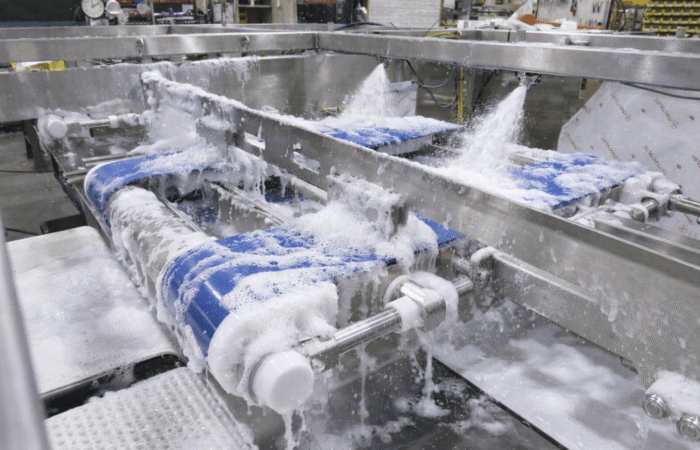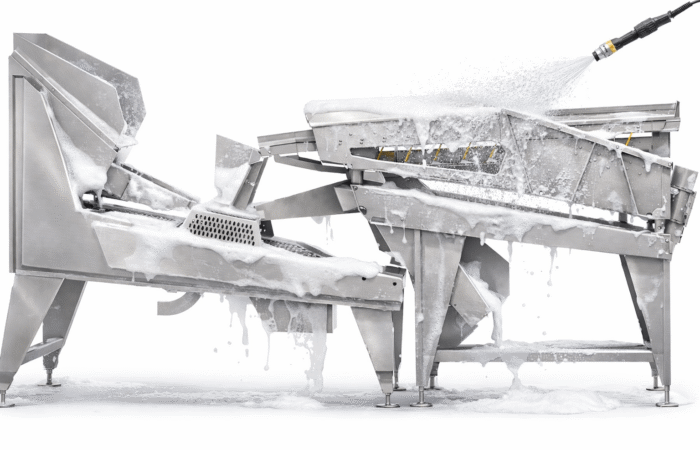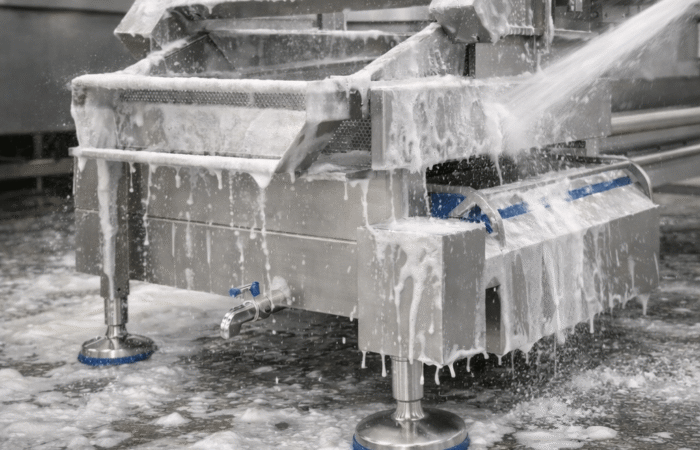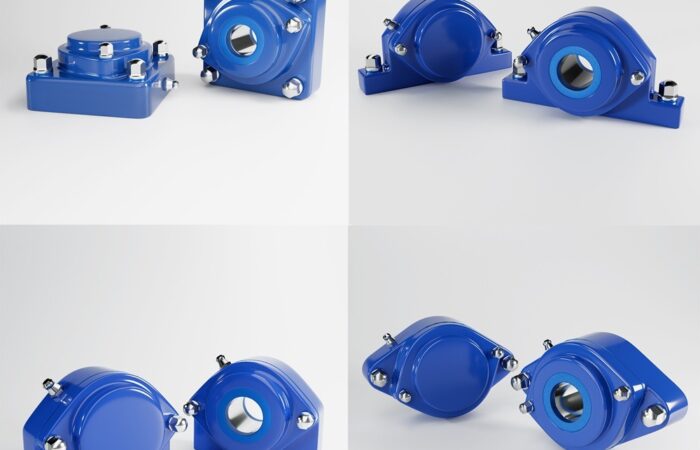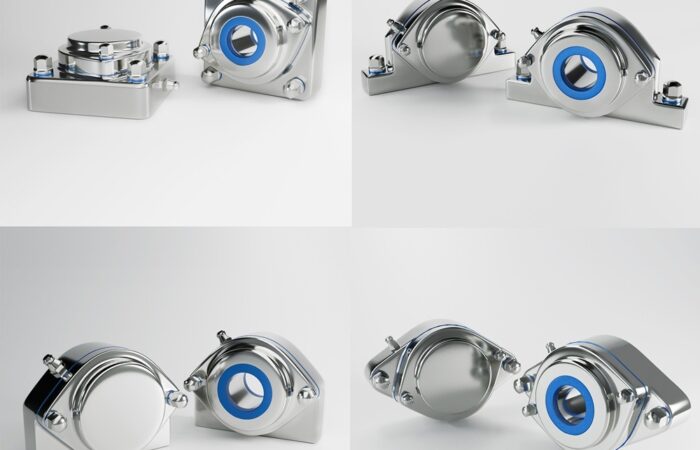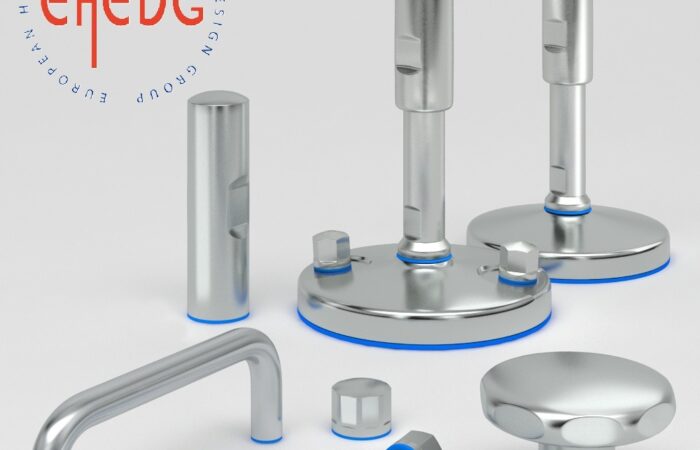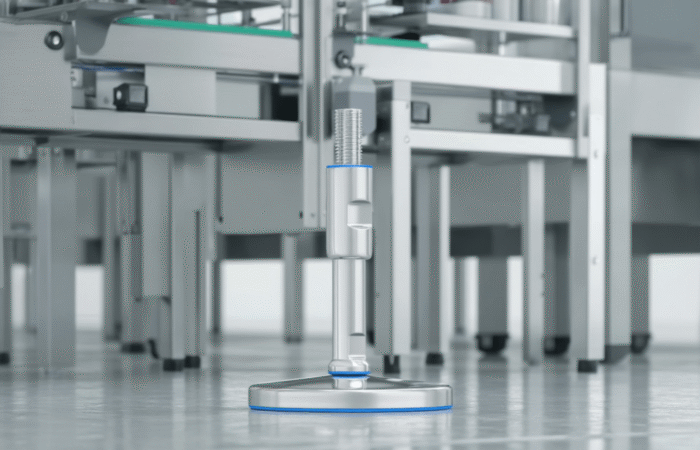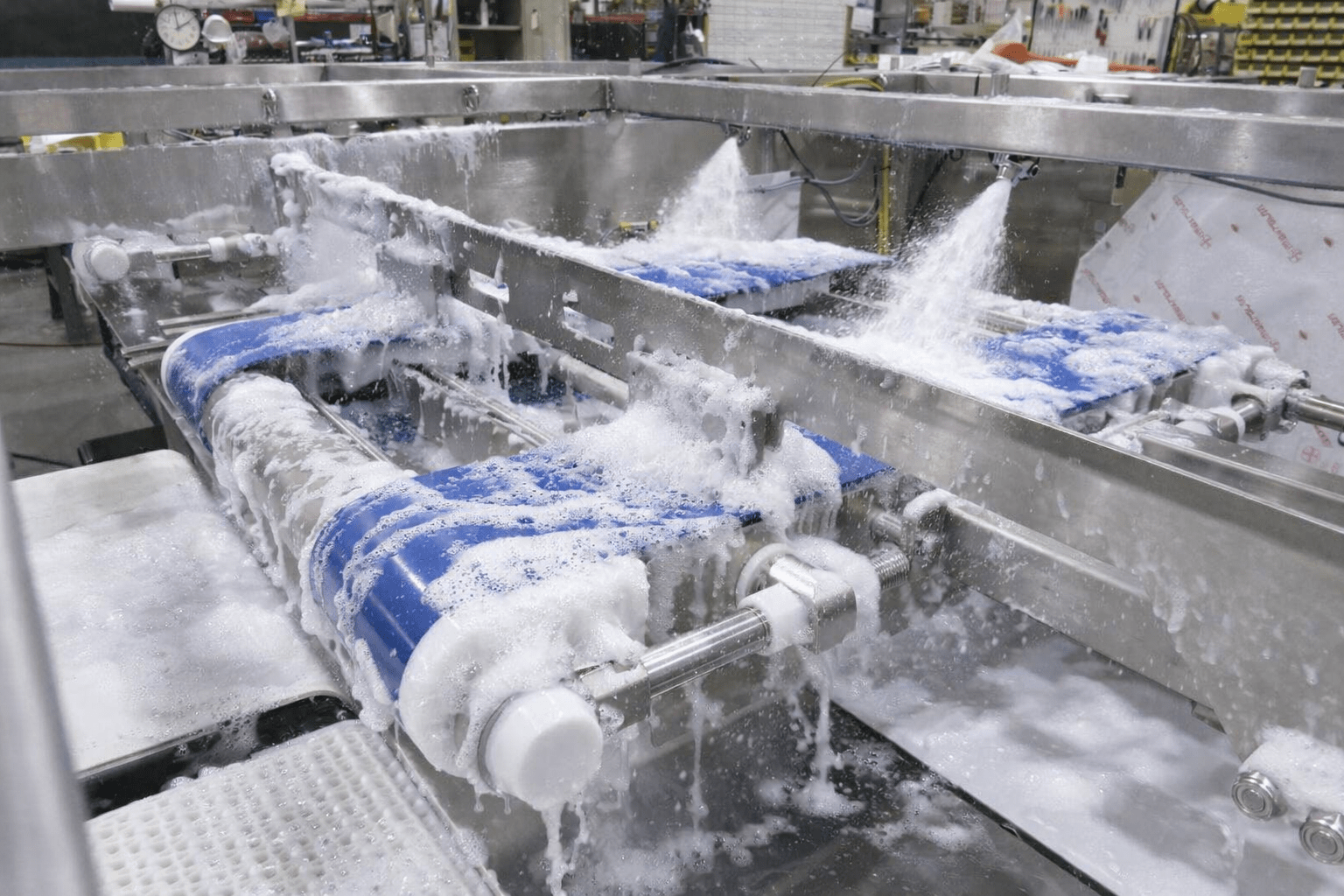











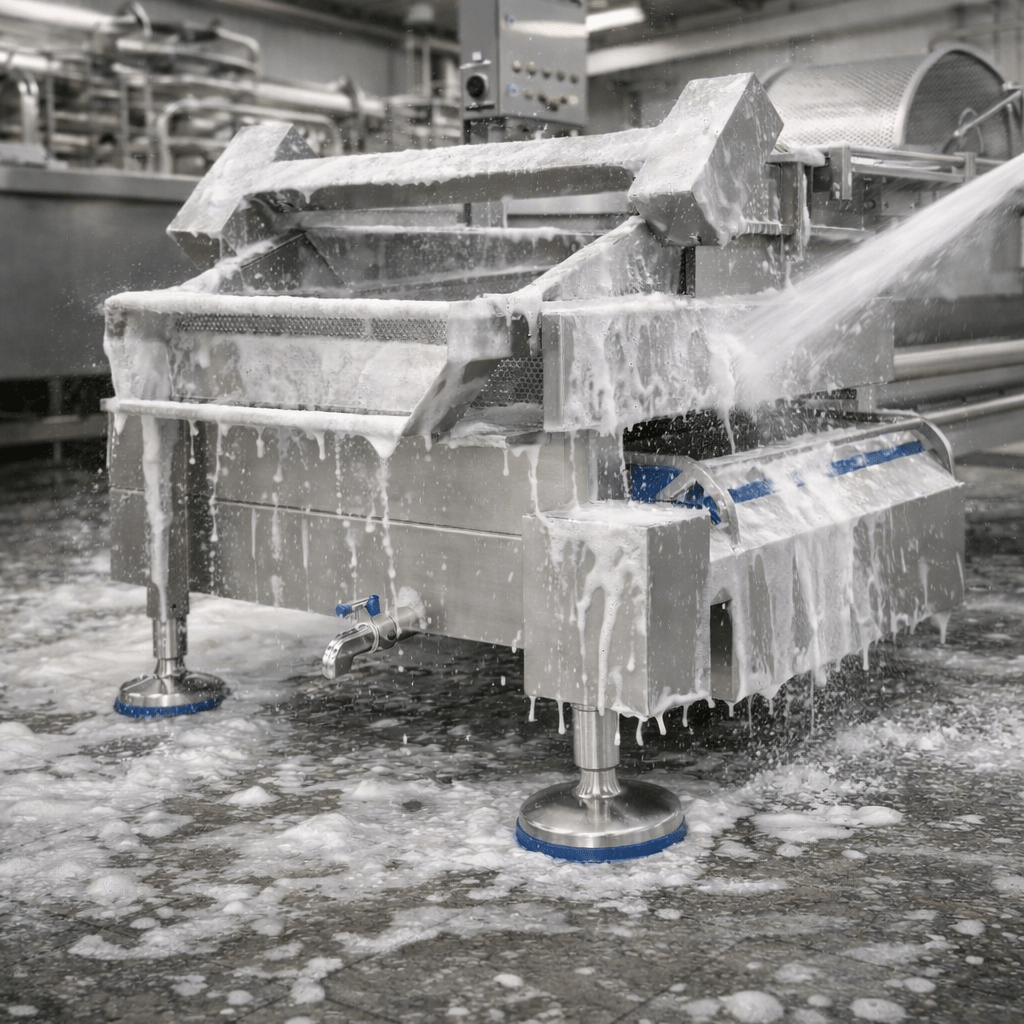

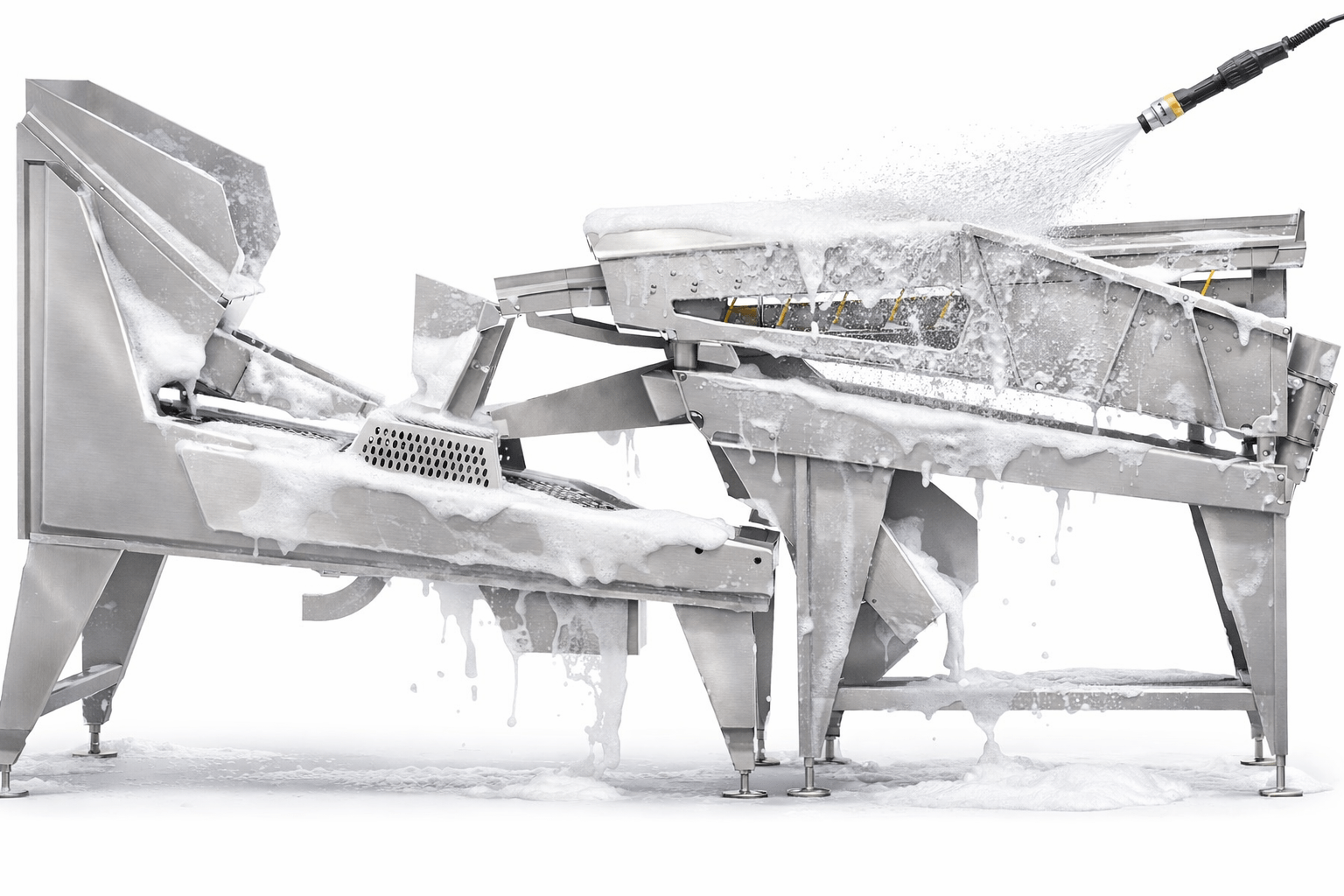
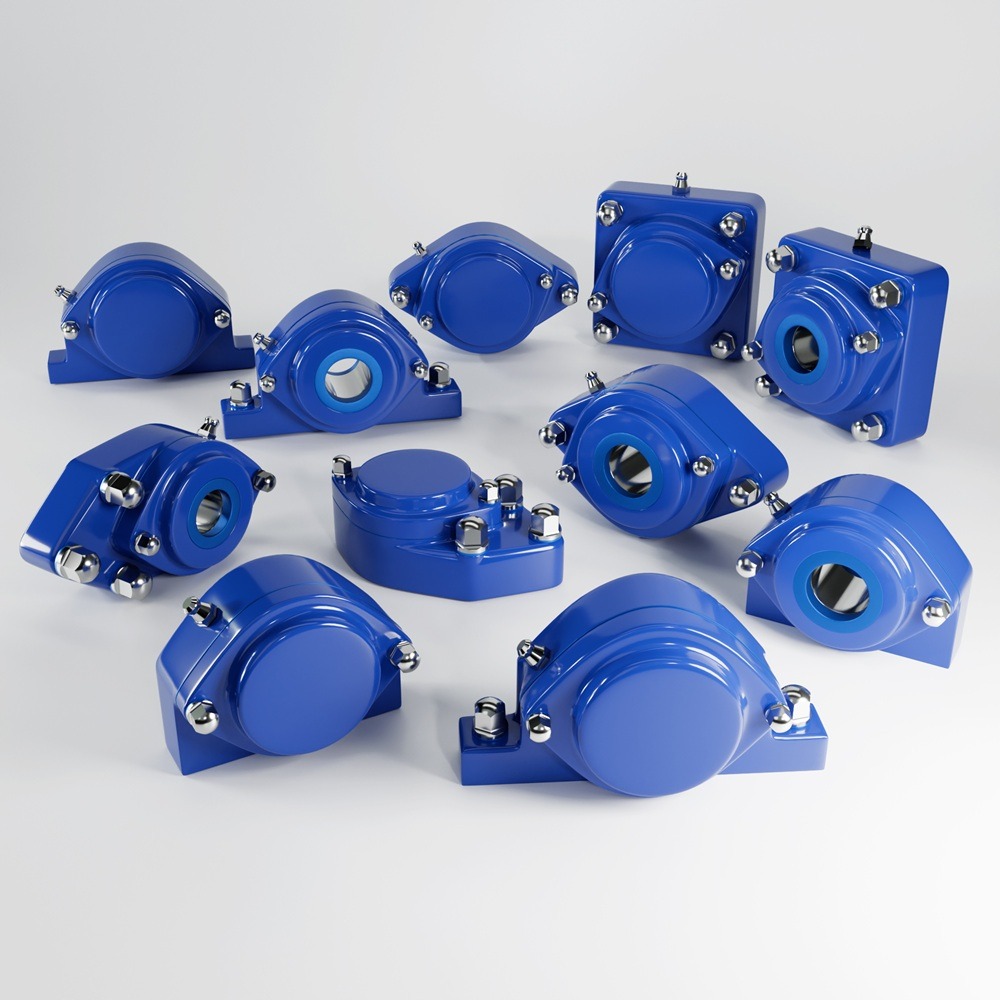
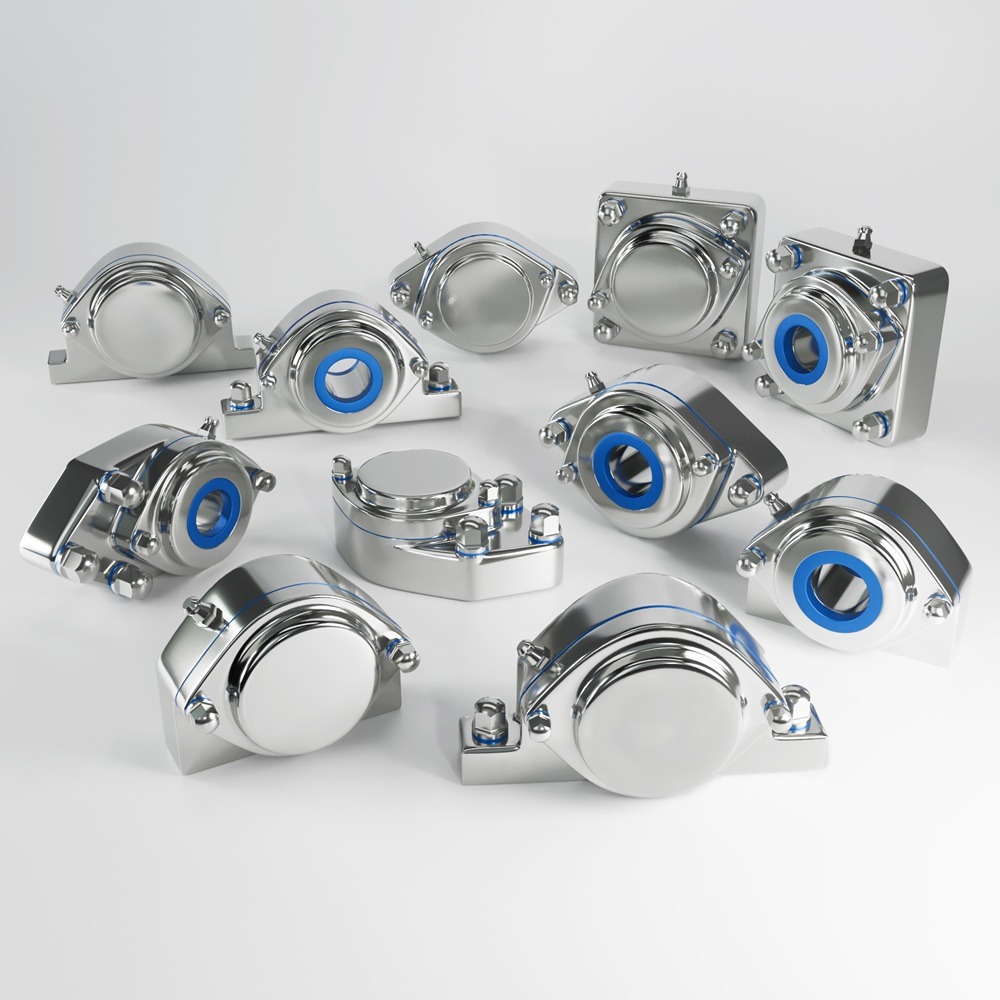
Rising production costs are no longer a temporary headache for manufacturers. The European Commission says the recent energy crisis left industrial gas and electricity prices below their peak but still above historical norms, with industrial gas and electricity prices in the EU remaining 2 to 4 times higher than in the EU’s main trading partners. That makes every design decision on a food or pharmaceutical line more important than before. Hygienic design is therefore not only a compliance issue. It is now a margin-protection strategy. EHEDG’s 2025 sustainability white paper makes that link explicit by identifying hygienic design as a lever for reducing energy use, water use, chemical inputs, and product loss. The reason is simple. Poorly designed equipment costs money every day, not just when it fails an audit. If components are hard to clean, slow to inspect, vulnerable to contamination traps, or mechanically unstable in wet production zones, plants spend more on washdown, re-cleaning, labor, chemicals, maintenance, and unplanned stops. In contrast, hygienic engineering aims to make equipment easier to clean, easier to verify, and more reliable in operation. That combination is exactly what helps plants reduce energy consumption and avoid skyrocketing production costs. For many years, hygienic design was discussed mainly in relation to contamination control. That is still true, but the commercial case has become much broader. EHEDG has highlighted that when cleaning is based on a validated baseline, manufacturers can reduce chemicals, energy, water, labor, downtime, and effluents while still delivering the required hygienic result. EHEDG also emphasizes the importance of drainability, because better drainability supports flushing with less water and improves cleaning performance. In other words, good hygienic design shortens the path from “dirty to verified clean.” That matters even more in plants with frequent washdown, allergen changeovers, product changeovers, or harsh sanitation regimes. If a line needs repeated manual intervention, excess rinsing, or long drying times, energy use climbs indirectly through extended operating hours, hot water demand, pump and fan runtime, compressed-air usage, and labor overhead. Hygienic design reduces those penalties by removing the causes rather than treating the symptoms. In practical terms, hygienic design adds value in conveyors, fillers, mixers, pumps, valve clusters, CIP loops, dosing stations, packaging equipment, and transfer systems. The common pattern is not the brand or machine type. It is whether the equipment is easy to clean, inspect, maintain, and keep in its intended operating condition. FDA guidance for food equipment stresses that good hygienic design helps prevent or minimize microbiological contamination, that materials should be easily cleanable, and that all parts should be readily accessible for effective cleaning and sanitation. There is also a major energy angle on the mechanical side. The U.S. Department of Energy says industrial plants can often reduce electricity use and costs by about 5% to 15% or more by improving the efficiency of motor-driven systems, and that these improvements also reduce maintenance costs and unscheduled downtime. That is highly relevant in hygienic production because pumps, fans, conveyors, and other rotating assets sit at the center of both process flow and sanitation routines. When hygienic components support stable operation, lower contamination risk, and fewer intervention stops, they support lower total energy demand as well. The same DOE material on shaft alignment adds an important nuance. Misalignment does not directly change motor efficiency, but it does reduce the smooth transmission of power and causes vibration, noise, rising bearing temperatures, and premature failure. That means plants that ignore alignment, mounting stability, and mechanical protection often end up paying through shorter component life, extra maintenance, and more downtime. In cost terms, the hidden burden is often larger than the price of the part itself. The food industry gains immediate value from hygienic design because it operates with constant exposure to moisture, product residue, aggressive cleaning agents, and strict hygiene expectations. Dairy, meat, poultry, seafood, beverage, bakery, fresh produce, ready meals, and pet food all rely on surfaces and components that stay cleanable over time, not just when they are new. FDA material notes that abrasion and age make surfaces harder to clean, and that hygienic design is central to minimizing microbiological contamination. Pharmaceutical and bioprocessing environments gain for slightly different reasons. Here, the risk is not only microbial contamination but also product purity, residue control, repeatability, and validation discipline. FDA states that equipment must be appropriately designed for its intended use and for cleaning and maintenance, and that product-contact surfaces must not be reactive, additive, or absorptive in ways that alter quality. ASME says its BPE standard covers materials, design, fabrication, inspections, testing, and certification for bioprocessing and pharmaceutical equipment, and notes that rigorous application can improve efficiency, lower development and manufacturing costs, and improve quality and safety. Material selection is not a cosmetic choice. It directly affects cleanability, corrosion resistance, service life, and the aggressiveness of the cleaning routine needed to keep equipment safe. FDA guidance says food-contact surfaces should be corrosion-resistant, durable, smooth, easily cleanable, non-absorbent, and designed with minimized seams and fastening features. It also notes that lubricated bearings and gears must be designed so lubricants cannot reach food, or the machinery must be housed in closed, leak-proof compartments. Those are not minor details. They influence both contamination risk and the amount of cleaning, inspection, and replacement work a plant must carry out. For stainless materials, the food and bioprocessing sectors continue to rely heavily on corrosion-resistant austenitic grades because they balance hygiene, fabricability, and durability. The Nickel Institute notes that 304L and 316L are common food-industry grades and emphasizes the cleanability, corrosion resistance, and low bacterial retention associated with stainless steel. In bioprocessing, ASME BPE remains a leading reference point for how materials and finishes should be selected and controlled in high-purity applications. The practical lesson is that material decisions affect how often a line must be re-cleaned, how long components last, and how much energy is spent compensating for a poor design choice. Experienced production teams usually reach the same conclusion after enough shutdowns: the cheapest component can become the most expensive if it slows cleaning or destabilizes uptime. On a real line, savings come from fewer repeat wash cycles, less manual scrubbing, fewer contamination investigations, shorter sanitation windows, and fewer failures in wet or chemically aggressive areas. That conclusion is consistent with EHEDG’s sustainability framing and FDA’s focus on accessible, readily cleanable equipment. The same is true for rotating assets. A hygienic bearing arrangement, stable mounting point, and correct alignment do more than protect the machine. They help the line keep running smoothly, reduce unnecessary vibration, and cut the cascade of energy waste that comes from repeated restarts, extended sanitation, and emergency maintenance. This is an inference drawn from DOE’s motor-system guidance together with hygienic-design requirements from FDA and ASME, but it matches what many reliability-focused plants already see in practice. A credible hygienic-design strategy should be anchored in recognized frameworks, not just marketing language. 3-A SSI’s standards catalogue includes sanitary standards, pharmaceutical standards, and accepted practices, and its General Requirements standard was revised in 2026. EHEDG continues to position hygienic engineering as a route to better safety, productivity, and sustainability. ASME BPE remains a leading reference for pharmaceutical and bioprocessing design. Together, these frameworks give buyers a stronger basis for comparing equipment beyond headline claims. Trustworthiness begins with evidence. A serious supplier should be able to explain how the design supports drainability, cleanability, material compatibility, inspection access, and maintenance stability. They should also be clear about where a standard applies, what has actually been tested or documented, and how the design helps reduce re-cleaning, contamination risk, and downtime. In regulated environments, the most trustworthy claims are the ones that can be checked against standards, documented procedures, and operating results. Manufacturers do not control energy markets, but they do control equipment design choices. In a period when energy and operating costs remain structurally higher than many plants expected a few years ago, hygienic design has become one of the most practical ways to protect profitability. Better drainability, easier cleanability, smarter material selection, sound mechanical alignment, and compliance-based design reduce waste across the whole operation. The result is not only safer production. It is lower energy use, lower maintenance burden, stronger uptime, and better protection against rising production costs. Industrial machinery requires precision-engineered components that meet exacting standards for durability, safety, and performance. This comprehensive guide explores the essential machinery parts that drive modern manufacturing across food processing, packaging, and chemical industries. Understanding the difference between Plummer Blocks and Flanged Bearings is crucial for engineers and procurement professionals seeking to optimize equipment longevity. Pillow block bearings, also known as plummer blocks, are self-aligning bearing units that simplify installation and significantly reduce maintenance costs. These versatile components mount on machine frames and support rotating shafts with exceptional precision, ensuring smooth operation in demanding industrial environments. Flange bearing units offer a more compact alternative, featuring integrated flanges that enable direct mounting to flat surfaces without additional hardware. Both designs come in various materials, including stainless steel grades optimized for corrosive environments and food-grade applications where hygiene is paramount. The importance of material selection cannot be overstated in machinery design. 440 Stainless Steel and 420 grades offer distinctly different properties suited to specific applications and environmental conditions. The 440 stainless steel variant provides superior hardness and exceptional edge retention, making it ideal for cutting tools and high-wear applications requiring maximum durability. Meanwhile, 420 stainless steel offers better corrosion resistance and is preferred in food processing equipment where chemical exposure is common. Hygienic stainless steel components have become essential in food machinery, meeting EHEDG standards and facilitating rapid equipment cleaning required in modern food production facilities. Understanding ingress protection ratings is equally critical for machinery durability and operational reliability. IP67 rating ensures protection against dust and temporary water immersion, while IP68 rating provides complete dust protection and sustained water immersion capabilities for submerged operations. The IP69K standard represents the highest protection level, specifically designed for high-pressure wash-down environments found in industrial food processing facilities. These ratings define how effectively machinery components withstand environmental challenges and maintain performance. Modern industrial facilities increasingly demand equipment that combines high performance with ease of maintenance and sanitation. The choice between different bearing types depends on operational requirements, environmental conditions, and budget constraints. Proper component selection ensures extended equipment lifespan, reduced downtime, and improved operational efficiency.Avoids Skyrocketing Production Costs
NHK insight
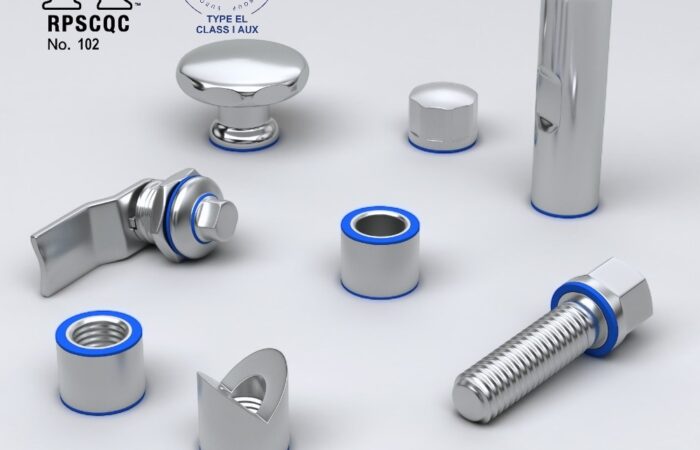
“Certification logos are not just marketing – they represent tested cleanability, drainability, and robustness under real process conditions.”Hygienic Design
Why Hygienic Design Has Become a Cost-Control Tool
Usage: Where Hygienic Design Delivers Measurable Savings
Industries That Benefit Most
Material Choice: Why It Shapes Energy and Cost Outcomes
Experience: What Good Plants Learn on the Floor
Expertise, Authoritativeness, and Trustworthiness in Supplier Selection
Hygienic design reduces energy consumption
Contact
Articles
Understanding Machinery Components & Protection Standards