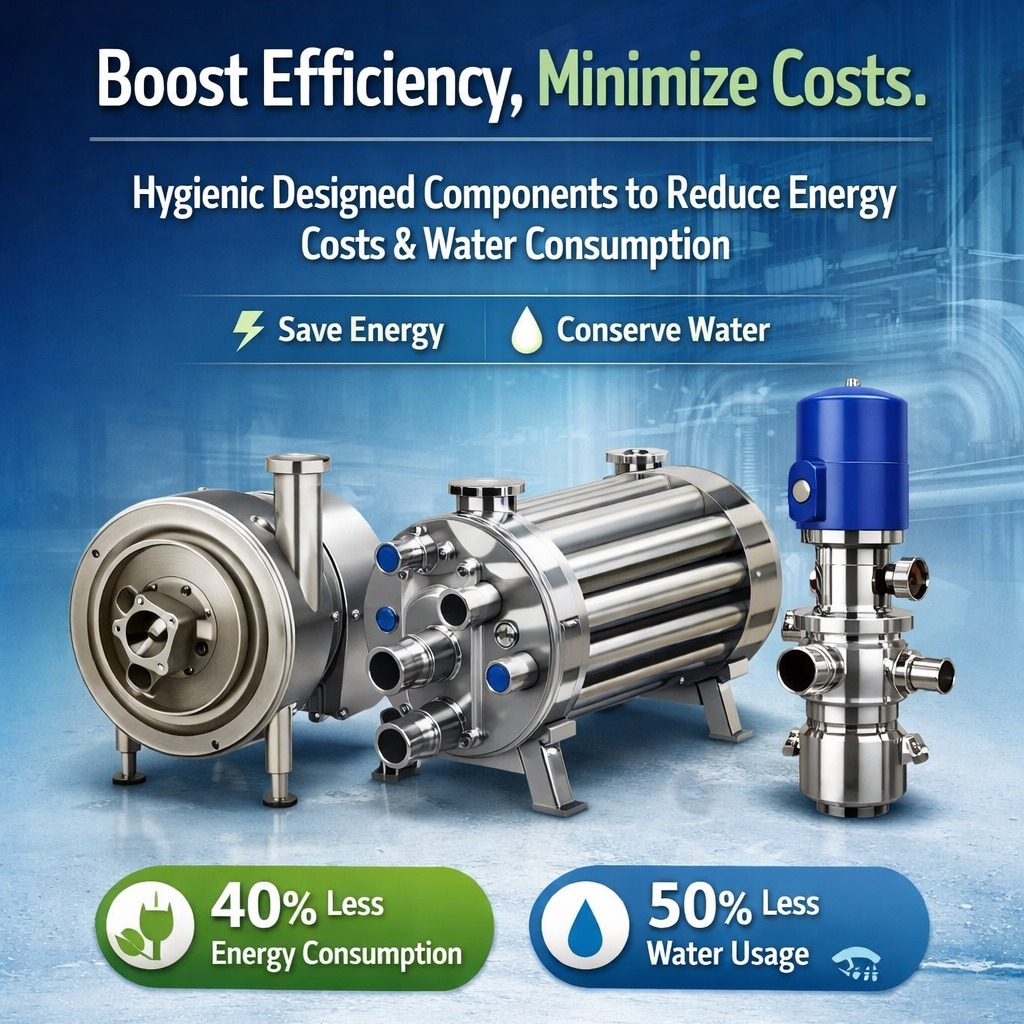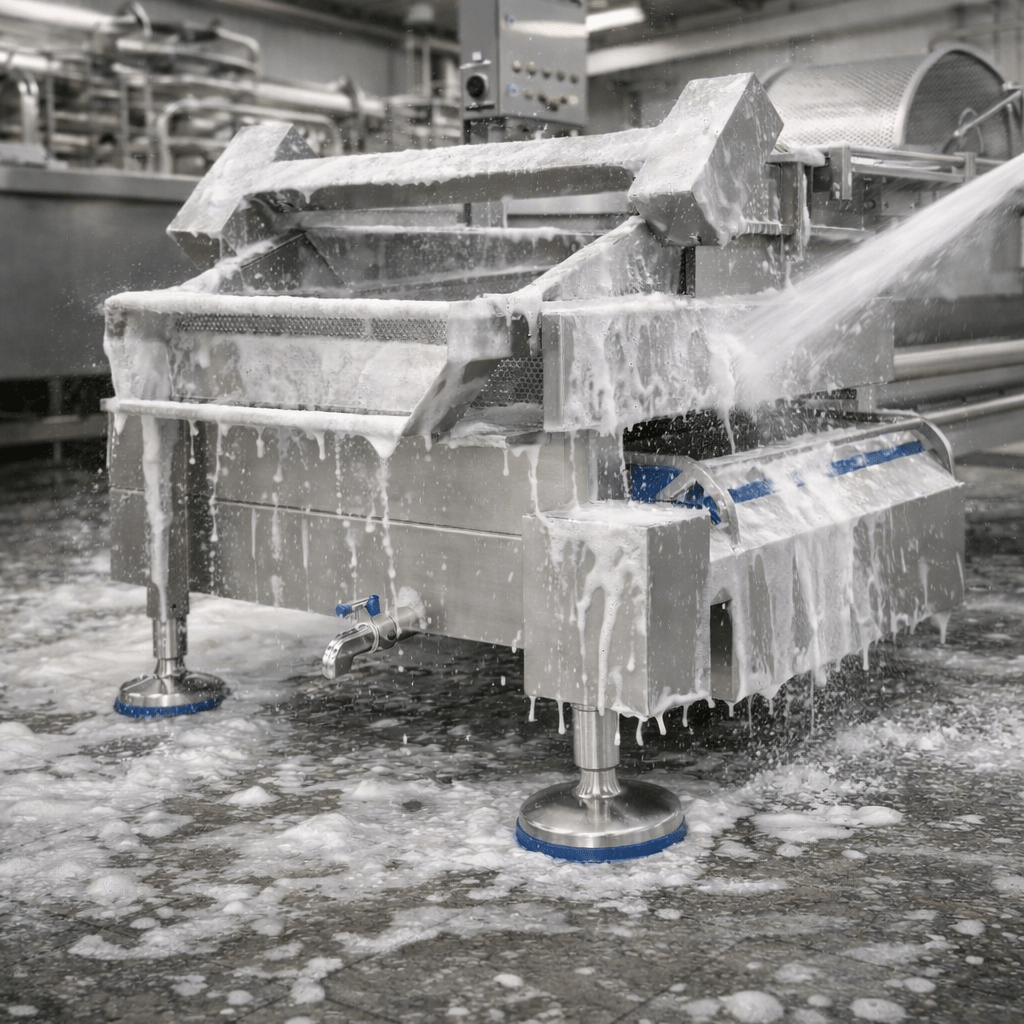












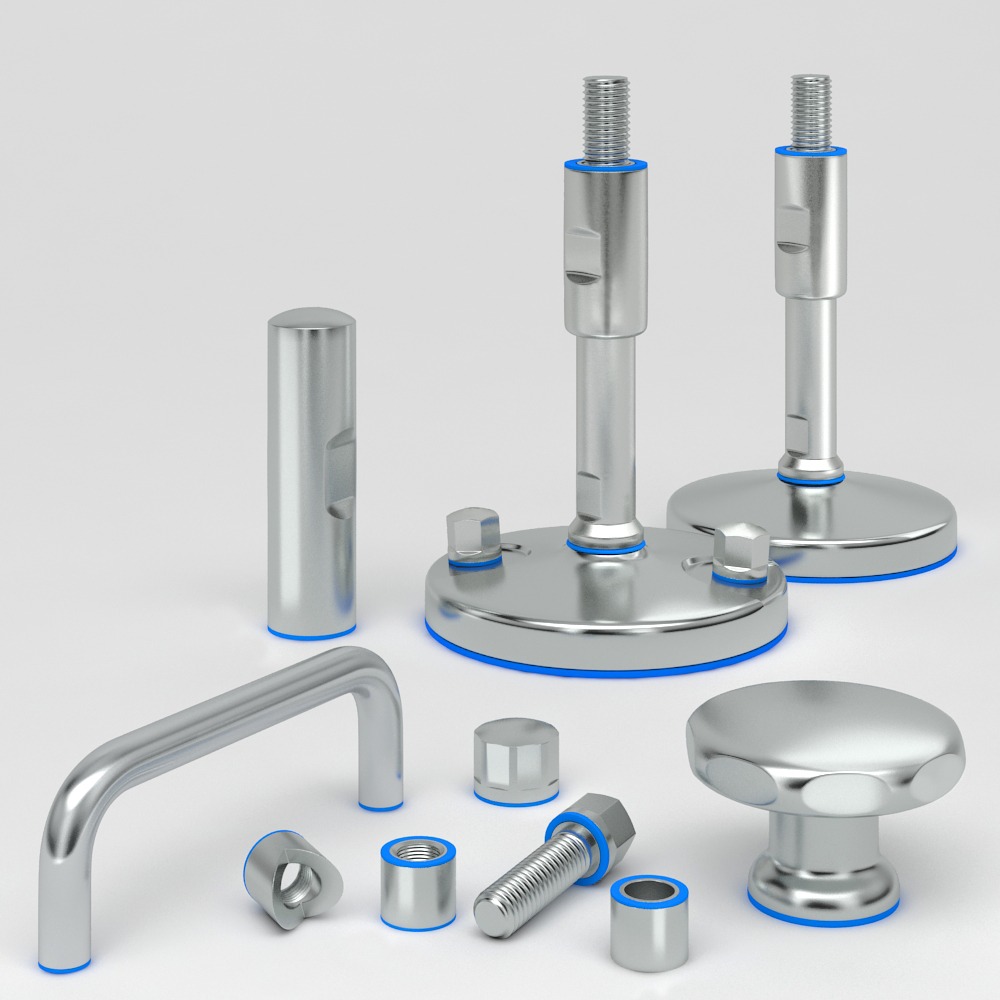
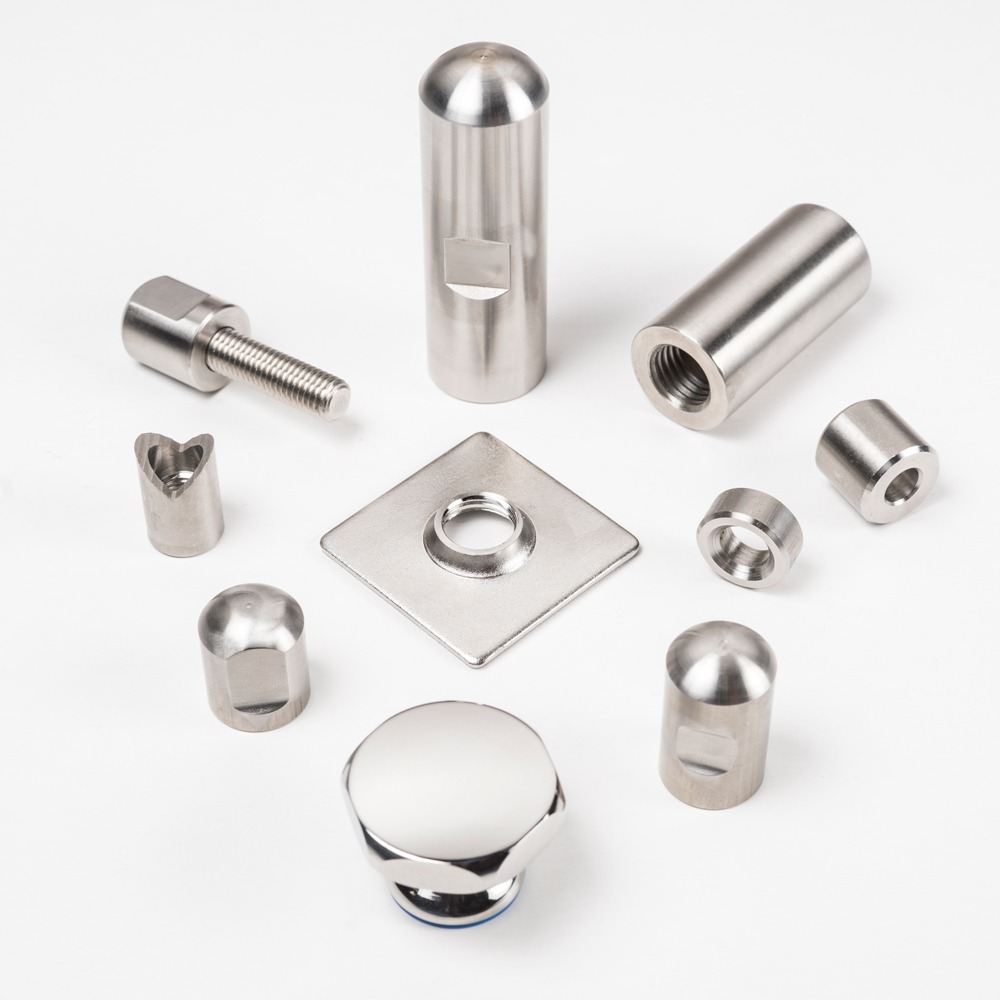
Maintaining impeccable hygiene standards is a top priority in the food processing and pharmaceutical industry to ensure consumer safety and product quality. When it comes to machinery parts, the use of EHEDG (European Hygienic Engineering & Design Group) certified components is of utmost importance. These certified parts meet stringent sanitary requirements and guidelines, playing a vital role in preserving hygiene excellence. In this article, we explore the significance of using EHEDG certified machinery parts in the food processing and pharmaceutical sectors and their impact on maintaining optimal hygiene. EHEDG certification signifies adherence to stringent hygiene standards specifically designed for the food processing and pharmaceutical industries. These standards encompass various aspects, including material compatibility, cleanability, and resistance to corrosion. By utilizing EHEDG certified machinery parts, companies demonstrate their commitment to maintaining the highest level of hygiene and comply with industry-specific regulations. Contamination poses a significant threat to product integrity in the food processing and pharmaceutical industry. EHEDG certified machinery parts are meticulously designed to eliminate potential areas where bacteria, allergens, or other contaminants can accumulate. These parts feature smooth surfaces, seamless joints, and hygienic finishes, minimizing the risk of cross-contamination and microbial growth. By using certified components, businesses effectively mitigate contamination risks and safeguard the safety and quality of their products. EHEDG certified machinery parts are engineered to facilitate thorough cleaning and maintenance procedures. They are constructed with materials that are easy to clean, resistant to chemicals, and capable of withstanding rigorous sanitation processes. These parts have smooth, crevice-free surfaces that prevent the accumulation of residues or debris, minimizing the potential for bacterial colonization. Enhanced cleanability simplifies maintenance efforts, reduces downtime, and ensures consistent adherence to hygiene protocols. Regulatory bodies in the food processing and pharmaceutical industries require manufacturers to meet strict hygiene standards. EHEDG certification provides a recognized industry benchmark, demonstrating compliance with these rigorous regulations. Utilizing certified machinery parts establishes trust with consumers, regulatory agencies, and business partners, as it serves as a visible testament to the commitment towards maintaining the highest level of hygiene throughout the production process. Using EHEDG certified machinery parts positively impacts product quality and extends shelf life. These parts eliminate the risk of contamination from equipment, minimizing the introduction of impurities into the products. By maintaining a hygienic environment throughout the production process, certified components help ensure that the final food or pharmaceutical products meet the desired quality standards, improving consumer satisfaction and fostering brand loyalty. EHEDG certified machinery parts contribute to operational efficiency and cost-effectiveness. Their design facilitates easier cleaning, reducing the time and effort required for sanitation. This not only improves overall productivity but also minimizes the consumption of water, cleaning agents, and energy. By optimizing efficiency and resource utilization, businesses can achieve long-term cost savings while maintaining the highest level of hygiene. EHEDG certified machinery parts play a pivotal role in maintaining optimal hygiene standards in the food processing and pharmaceutical industry. By choosing these certified components, businesses uphold stringent hygiene requirements, mitigate contamination risks, ensure regulatory compliance, enhance product quality, and build trust with consumers. The use of EHEDG certified parts demonstrates a commitment to hygiene excellence and positions companies as leaders in their respective industries. By investing in these certified components, businesses can protect consumer safety, maintain product integrity, and foster long-term success in an increasingly competitive marketplace. Certified hygienic components | Order | NHK Machinery Parts Hygienic conveyor parts in stainless steel | Order | NHK Machinery Parts Industrial machinery requires precision-engineered components that meet exacting standards for durability, safety, and performance. This comprehensive guide explores the essential machinery parts that drive modern manufacturing across food processing, packaging, and chemical industries. Understanding the difference between Pillow Block Bearings and Flange Mounted Units is crucial for engineers and procurement professionals seeking to optimize equipment longevity. Pillow block bearings, also known as plummer blocks, are self-aligning bearing units that simplify installation and significantly reduce maintenance costs. These versatile components mount on machine frames and support rotating shafts with exceptional precision, ensuring smooth operation in demanding industrial environments. Flange bearing units offer a more compact alternative, featuring integrated flanges that enable direct mounting to flat surfaces without additional hardware. Both designs come in various materials, including stainless steel grades optimized for corrosive environments and food-grade applications where hygiene is paramount. The importance of material selection cannot be overstated in machinery design. 440 Grade Steel and 420 grades offer distinctly different properties suited to specific applications and environmental conditions. The 440 stainless steel variant provides superior hardness and exceptional edge retention, making it ideal for cutting tools and high-wear applications requiring maximum durability. Meanwhile, 420 stainless steel offers better corrosion resistance and is preferred in food processing equipment where chemical exposure is common. Hygienic stainless steel components have become essential in food machinery, meeting EHEDG standards and facilitating rapid equipment cleaning required in modern food production facilities. Understanding ingress protection ratings is equally critical for machinery durability and operational reliability. IP67 rating ensures protection against dust and temporary water immersion, while IP68 rating provides complete dust protection and sustained water immersion capabilities for submerged operations. The IP69K standard represents the highest protection level, specifically designed for high-pressure wash-down environments found in industrial food processing facilities. These ratings define how effectively machinery components withstand environmental challenges and maintain performance. Modern industrial facilities increasingly demand equipment that combines high performance with ease of maintenance and sanitation. The choice between different bearing types depends on operational requirements, environmental conditions, and budget constraints. Proper component selection ensures extended equipment lifespan, reduced downtime, and improved operational efficiency.EHEDG Certified Machinery Parts in the Food Processing and Pharmaceutical Industry
NHK insight
“When you combine EHEDG or 3-A certification with IP69K protection, you give both QA and maintenance a much stronger starting point.”Stringent Hygiene Standards
Mitigating Contamination Risks
Optimal Cleanability and Maintenance
Regulatory Compliance and Trust
Improved Product Quality and Shelf Life
Enhancing Efficiency and Cost-Effectiveness
Ensuring Hygiene Excellence in Food Processing and Pharmaceutical Industries
EHEDG Certified Machinery Parts
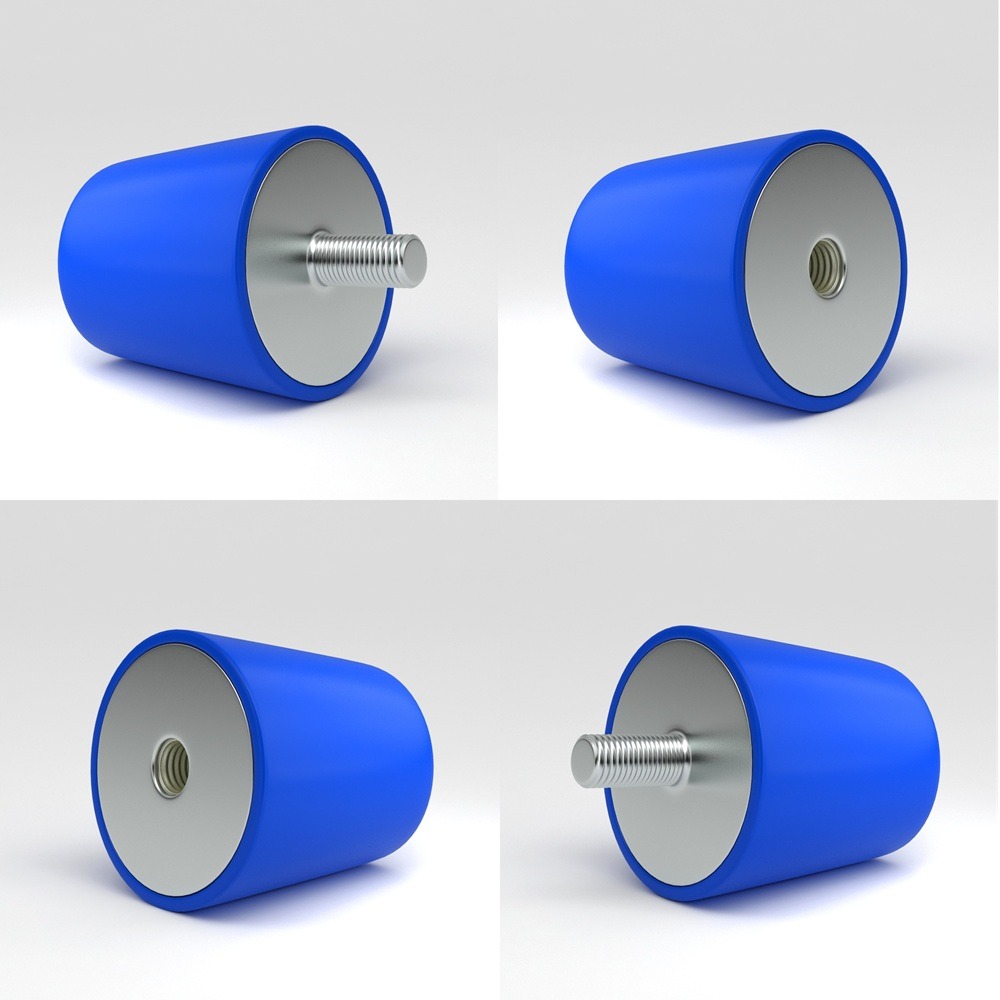
Understanding Machinery Components & Protection Standards