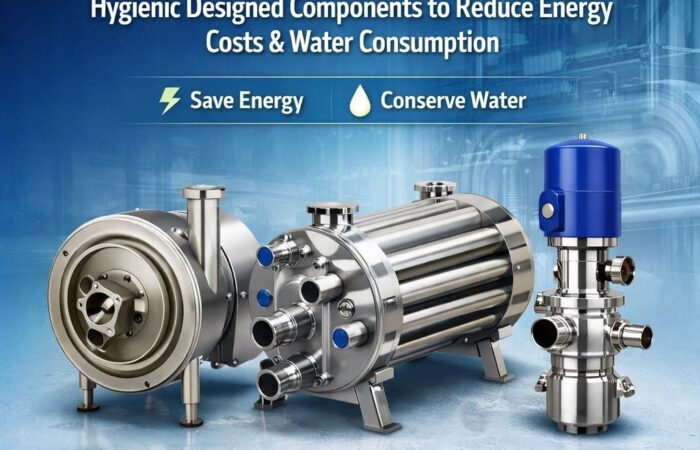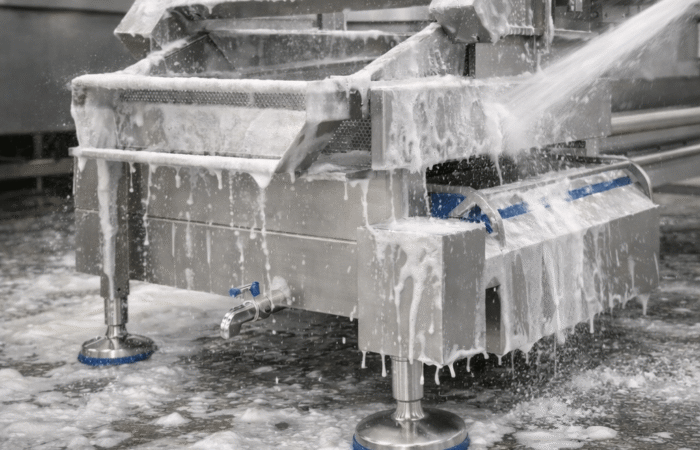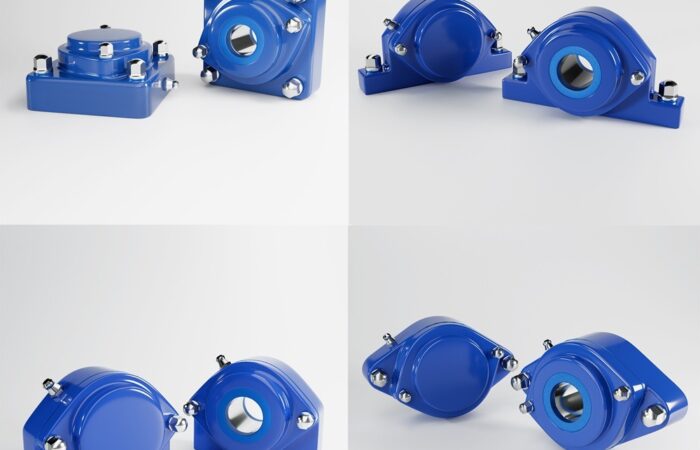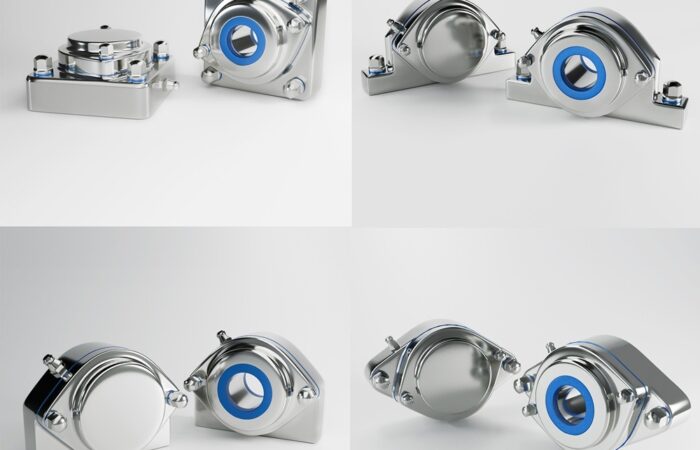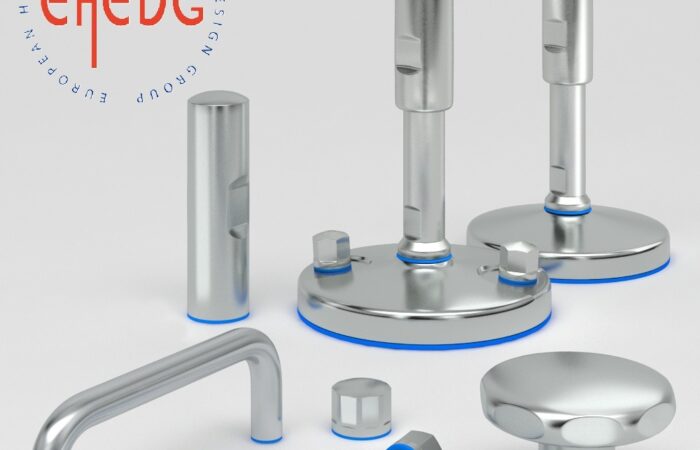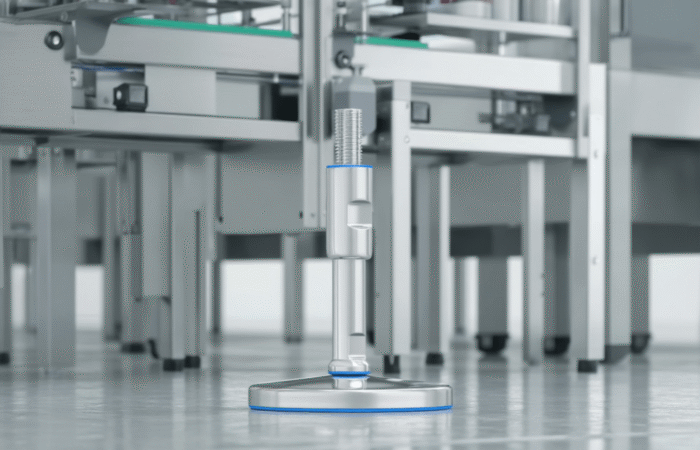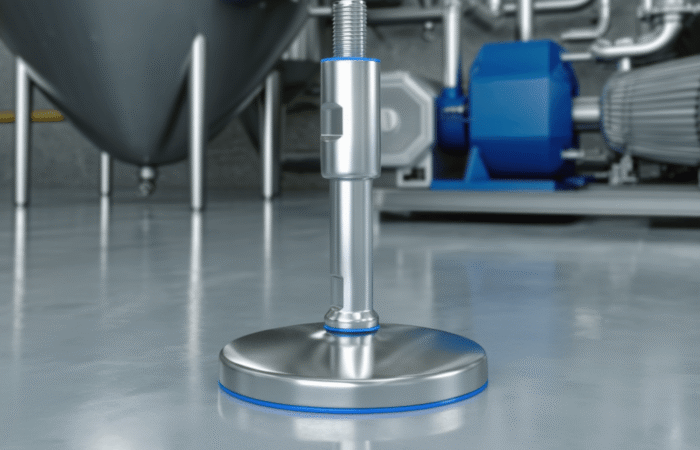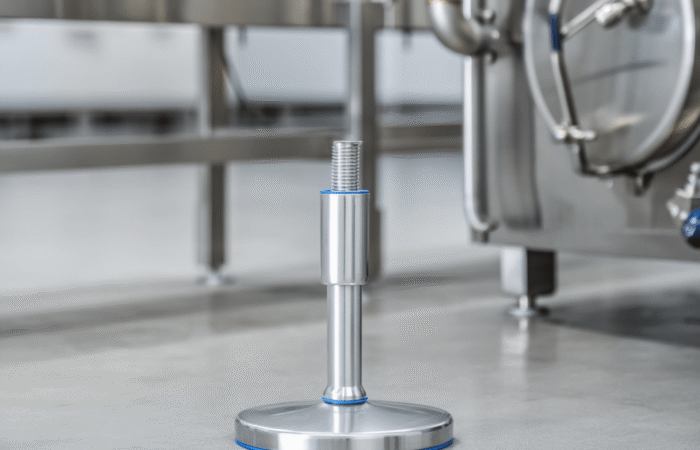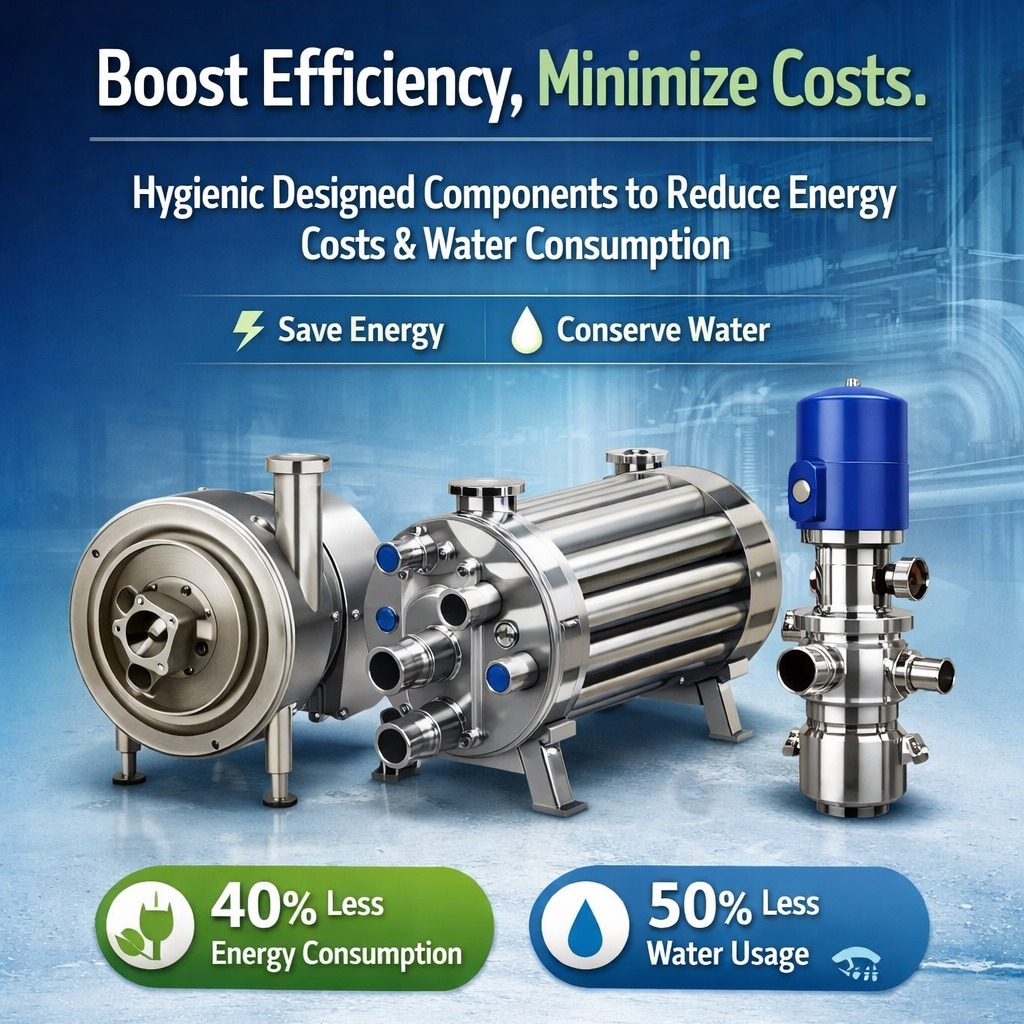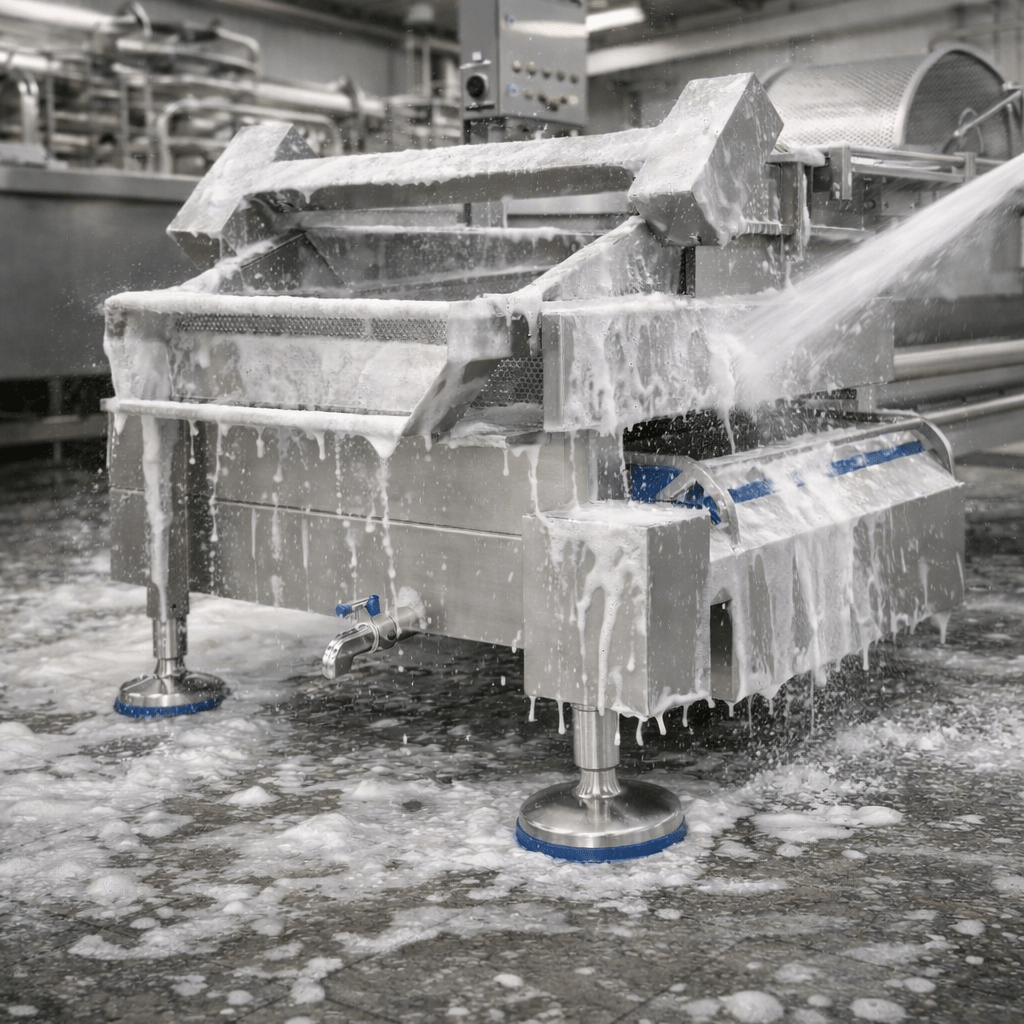













The adoption of certified 3-A sanitary components and EHEDG (European Hygienic Engineering & Design Group) hygienic parts across various industries represents a significant stride towards sustainable and eco-friendly production processes. These certifications are not just labels but are assurances of safety, efficiency, and environmental stewardship. Their use in sectors such as food processing, pharmaceuticals, and biotechnology significantly minimizes the ecological footprint of industrial activities, enhances public health safety, and contributes to the sustainability of global supply chains. Certified 3-A sanitary components and EHEDG hygienic parts are designed with rigorous standards for cleanliness and efficiency. These standards ensure that machines and equipment are easy to clean and maintain, reducing the likelihood of bacterial contamination, which is crucial in preventing biodegradable waste from entering the ecosystem. By facilitating easier and more effective cleaning processes, these components decrease the volume of water and cleaning agents required. This not only conserves resources but also reduces the chemical runoff into our waterways, thereby protecting aquatic life and maintaining the natural balance of ecosystems. The efficiency of 3-A and EHEDG certified components extends to the conservation of energy and resources. Equipment designed to these standards operates more efficiently, often requiring less power and fewer raw materials. This reduces the carbon footprint of production facilities and lowers the overall energy consumption in industrial processes. Moreover, the durability of these components means that they need to be replaced less frequently, leading to reduced waste and a lower demand for new materials, thus supporting circular economy principles. The direct impact of using 3-A and EHEDG certified components on public health cannot be overstated. In industries like food processing and pharmaceuticals, the risk of contamination must be meticulously managed. These standards ensure that equipment does not harbor bacteria and that any potential for contamination is minimized. This is especially important in preventing foodborne illnesses and ensuring the efficacy and safety of pharmaceutical products. Consequently, this also reduces the burden on healthcare systems and decreases the spread of antibiotic-resistant bacteria, which is a growing concern globally. The global recognition of 3-A and EHEDG standards facilitates uniformity and compliance in manufacturing practices across different regions and sectors. This harmonization is crucial for international trade and helps in maintaining consistent quality and safety standards for products consumed worldwide. It also encourages industries in various countries to upgrade their processes and adopt more sustainable practices, thereby raising the overall standard of industrial operations internationally. Adopting these certified components represents a commitment to long-term industrial sustainability. Companies that implement these standards are seen as leaders in environmental stewardship and are often at the forefront of industry-wide shifts towards greener practices. By ensuring that their operations are both safe and environmentally friendly, these companies not only comply with current regulations but also prepare for future environmental standards, which are likely to become even stricter in response to global climate challenges. The usage of certified 3-A sanitary components and EHEDG hygienic parts is a cornerstone in the movement towards more sustainable industrial practices. These certifications help safeguard the planet by preventing pollution, conserving resources, protecting public health, and fostering a culture of compliance and responsibility. The widespread adoption of such standards can drive significant environmental benefits, making a substantial contribution to the planet’s well-being. IP67 Waterproof bearing units with spherical inserts | NHK Machinery Parts Industrial machinery requires precision-engineered components that meet exacting standards for durability, safety, and performance. This comprehensive guide explores the essential machinery parts that drive modern manufacturing across food processing, packaging, and chemical industries. Understanding the difference between Pillow Block Units and Flange Bearings is crucial for engineers and procurement professionals seeking to optimize equipment longevity. Pillow block bearings, also known as plummer blocks, are self-aligning bearing units that simplify installation and significantly reduce maintenance costs. These versatile components mount on machine frames and support rotating shafts with exceptional precision, ensuring smooth operation in demanding industrial environments. Flange bearing units offer a more compact alternative, featuring integrated flanges that enable direct mounting to flat surfaces without additional hardware. Both designs come in various materials, including stainless steel grades optimized for corrosive environments and food-grade applications where hygiene is paramount. The importance of material selection cannot be overstated in machinery design. Type 440 Steel and 420 grades offer distinctly different properties suited to specific applications and environmental conditions. The 440 stainless steel variant provides superior hardness and exceptional edge retention, making it ideal for cutting tools and high-wear applications requiring maximum durability. Meanwhile, 420 stainless steel offers better corrosion resistance and is preferred in food processing equipment where chemical exposure is common. Hygienic stainless steel components have become essential in food machinery, meeting EHEDG standards and facilitating rapid equipment cleaning required in modern food production facilities. Understanding ingress protection ratings is equally critical for machinery durability and operational reliability. IP67 rating ensures protection against dust and temporary water immersion, while IP68 rating provides complete dust protection and sustained water immersion capabilities for submerged operations. The IP69K standard represents the highest protection level, specifically designed for high-pressure wash-down environments found in industrial food processing facilities. These ratings define how effectively machinery components withstand environmental challenges and maintain performance. Modern industrial facilities increasingly demand equipment that combines high performance with ease of maintenance and sanitation. The choice between different bearing types depends on operational requirements, environmental conditions, and budget constraints. Proper component selection ensures extended equipment lifespan, reduced downtime, and improved operational efficiency.
NHK insight
“When you combine EHEDG or 3-A certification with IP69K protection, you give both QA and maintenance a much stronger starting point.”Certified 3-A and EHEDG Components Drive Sustainability in Industry: A Leap Towards Eco-friendly Production and Public Health Safety
Certified Sanitary Components and Environmental Sustainability
Energy and Resource Conservation
Public Health and Consumer Safety
Global Standards and Compliance
Long-term Industrial Sustainability
Conclusion


Contact
Articles
Understanding Machinery Components & Protection Standards