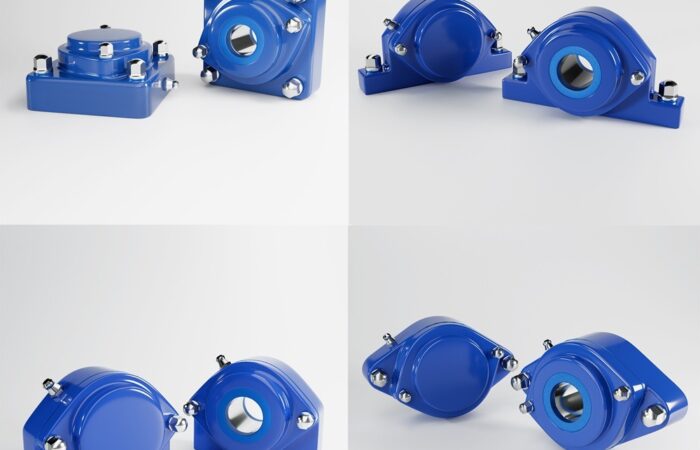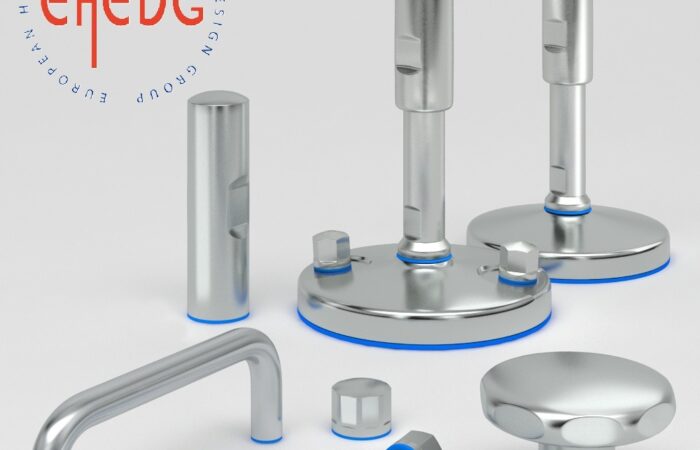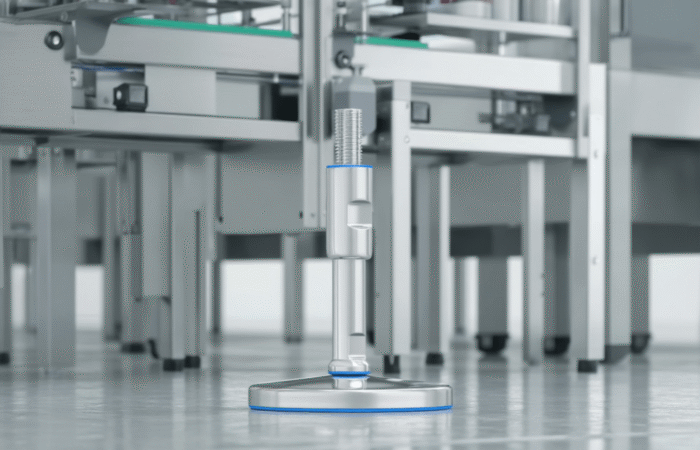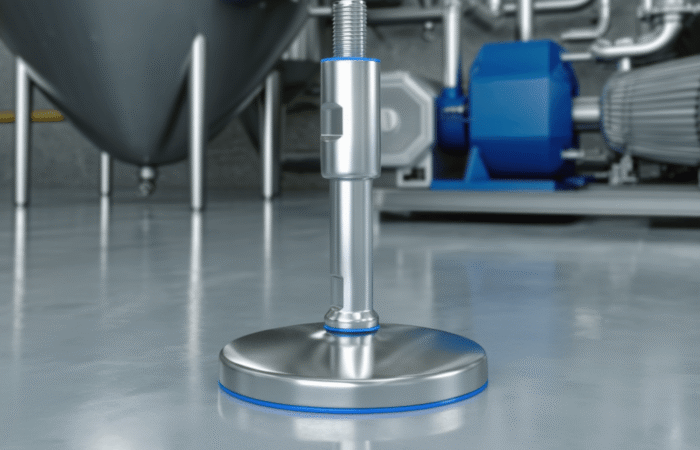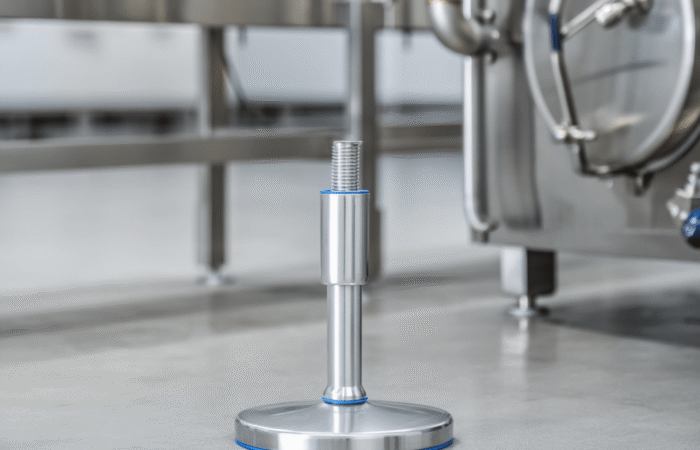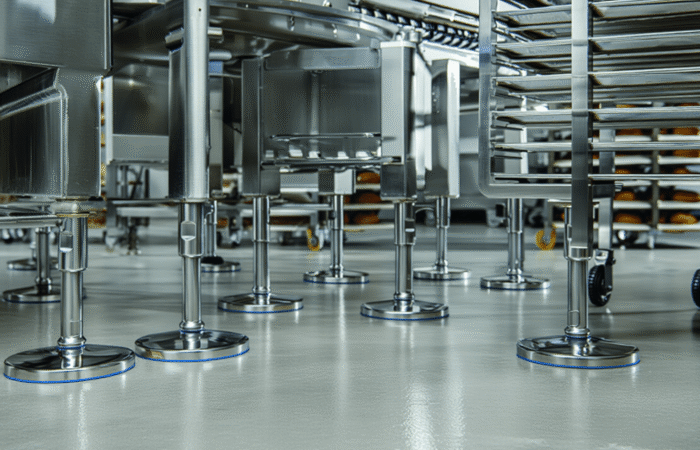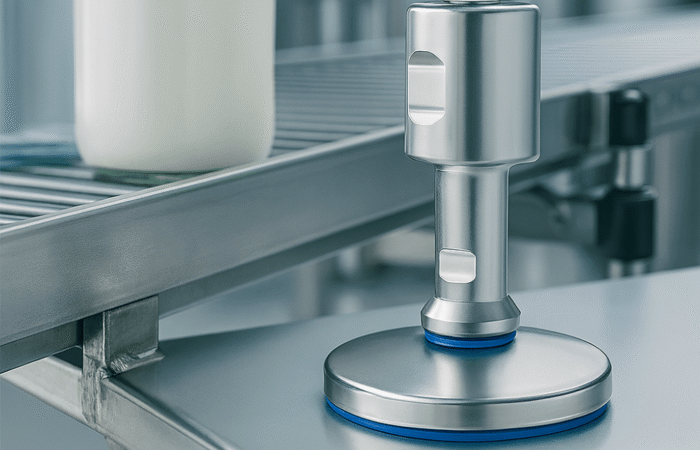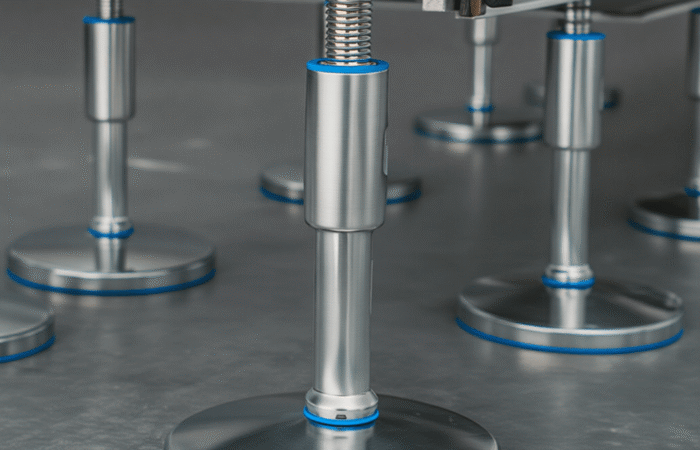












In industries where hygiene is paramount—such as food processing, pharmaceuticals, and biotechnology—choosing the right certified leveling feet for machinery is crucial. Two of the most recognized certifications for hygienic and sanitary equipment are: Both certifications ensure compliance with strict industry regulations, but they differ in design philosophy, cleanability, and intended applications. This article compares Certified EHEDG Hygienic Feet with Certified Sanitary Standards Feet, covering usage, industries, materials, leading manufacturers, certifications, case studies, and customer testimonials to help businesses make an informed decision. EHEDG-certified hygienic feet and certified sanitary feet are essential for industries requiring strict hygiene compliance, such as food processing, pharmaceuticals, and cleanrooms. While EHEDG feet offer crevice-free, fully-sealed designs optimized for European and global standards, sanitary standard feet are tailored for North American dairy and food industry regulations. The right choice depends on cleanability, compliance needs, and industry applications. Investing in the correct certified feet ensures regulatory approval, improved sanitation efficiency, and long-term cost savings. Which certification best fits your operational needs? Let’s explore the differences to help you decide. EHEDG hygienic feet are optimized for cleanrooms and high-sterility environments, while certified sanitary feet are best suited for dairy, food, and beverage processing in North America. Key Takeaway: EHEDG certification ensures compliance with global food & pharma safety standards, while certified sanitary standard is focused on North American dairy and food processing regulations. A dairy plant in Germany needed EHEDG-compliant hygienic feet to meet strict EU food safety laws. Meanwhile, a U.S. dairy required certified sanitary feet for FDA and USDA approval. Results: A meat packaging facility switched from standard sanitary feet to EHEDG-certified hygienic feet, reducing: A pharmaceutical company using EHEDG hygienic feet achieved full compliance with FDA and EU pharma hygiene regulations, reducing contamination risks. A beer producer upgraded from standard feet to EHEDG feet to meet EU hygiene laws, allowing exports to European markets. ✔ “EHEDG-certified feet helped us meet global hygiene standards and expand to new markets.” – Quality Manager, Beverage Company ✔ “Switching to EHEDG feet reduced cleaning time by 50% in our biotech facility!” – Operations Director, Pharmaceutical Company ✔ “Sanitary standard feet ensured our dairy plant met all FDA & USDA requirements.” – Dairy Production Engineer For pharmaceutical, biotech, and high-sterility food processing, EHEDG-certified hygienic feet are superior. For dairy, food, and beverage processing in North America, sanitary standard feet are ideal. In industries where hygiene is non-negotiable, the choice between EHEDG-certified hygienic feet and certified sanitary standard feet can significantly impact compliance, efficiency, and safety. Understanding their key differences in design, materials, and regulatory standards will help you select the optimal solution for food processing, pharmaceuticals, and cleanroom applications. Industrial machinery requires precision-engineered components that meet exacting standards for durability, safety, and performance. This comprehensive guide explores the essential machinery parts that drive modern manufacturing across food processing, packaging, and chemical industries. Understanding the difference between Plummer Blocks and Flanged Bearings is crucial for engineers and procurement professionals seeking to optimize equipment longevity. Pillow block bearings, also known as plummer blocks, are self-aligning bearing units that simplify installation and significantly reduce maintenance costs. These versatile components mount on machine frames and support rotating shafts with exceptional precision, ensuring smooth operation in demanding industrial environments. Flange bearing units offer a more compact alternative, featuring integrated flanges that enable direct mounting to flat surfaces without additional hardware. Both designs come in various materials, including stainless steel grades optimized for corrosive environments and food-grade applications where hygiene is paramount. The importance of material selection cannot be overstated in machinery design. 440 Stainless Steel and 420 grades offer distinctly different properties suited to specific applications and environmental conditions. The 440 stainless steel variant provides superior hardness and exceptional edge retention, making it ideal for cutting tools and high-wear applications requiring maximum durability. Meanwhile, 420 stainless steel offers better corrosion resistance and is preferred in food processing equipment where chemical exposure is common. Hygienic stainless steel components have become essential in food machinery, meeting EHEDG standards and facilitating rapid equipment cleaning required in modern food production facilities. Understanding ingress protection ratings is equally critical for machinery durability and operational reliability. IP67 rating ensures protection against dust and temporary water immersion, while IP68 rating provides complete dust protection and sustained water immersion capabilities for submerged operations. The IP69K standard represents the highest protection level, specifically designed for high-pressure wash-down environments found in industrial food processing facilities. These ratings define how effectively machinery components withstand environmental challenges and maintain performance. Modern industrial facilities increasingly demand equipment that combines high performance with ease of maintenance and sanitation. The choice between different bearing types depends on operational requirements, environmental conditions, and budget constraints. Proper component selection ensures extended equipment lifespan, reduced downtime, and improved operational efficiency.Ensuring Hygiene and Compliance in Sanitary Industries
NHK insight
“EHEDG and 3-A certified components turn hygiene from a subjective discussion into a documented, auditable standard.”Choosing Between EHEDG Hygienic Feet and Sanitary Standard Feet
EHEDG Hygienic Feet vs. Sanitary Standard Feet: Key Differences
Feature EHEDG Hygienic Feet Sanitary Feet Design Self-draining, sealed threads, smooth crevice-free surface Designed for dairy & food safety, but may have minor crevices Intended Use Ideal for Europe-focused compliance (pharma, biotech, food processing) Best for North American dairy & food industry Surface Finish Polished to Ra ≤ 0.8 µm for ultra-cleanability Typically Ra ≤ 1.2 µm, ensuring food safety but allowing light surface texture Materials AISI 316L stainless steel, FDA-approved EPDM, NBR AISI 304 or 316 stainless steel, may include plastic parts Cleanability CIP (Clean-in-Place) & SIP (Sterilization-in-Place) ready Requires manual wash-downs in some cases Certification Body European Hygienic Engineering & Design Group (EHEDG) Sanitary Standards Industries Food, dairy, beverage, pharma, cleanroom, cosmetics Primarily dairy, plus food & beverage processing Regulatory Compliance Aligns with EU regulations (ISO 14159, EN 1672-2) Complies with FDA, USDA, PMO (Pasteurized Milk Ordinance) Durability Designed for aggressive washdowns & harsh chemicals Built for frequent manual cleaning with dairy-safe cleaners Cost Higher initial cost but long-term savings in cleaning & compliance Moderate cost but may require more frequent replacements Industries and Applications
Industries Using EHEDG Hygienic Feet
Industries Using Sanitary Feet
Key Takeaway:
Material Composition
EHEDG Hygienic Feet
Certified Sanitary Feet
Certifications & Compliance
EHEDG Hygienic Feet Must Comply With:
Sanitary Feet Must Comply With:
Real-World Applications
1. Dairy Processing Facility (EU vs. US Compliance)
✅ EHEDG feet improved cleanability, reducing bacterial contamination by 40%
✅ Certified sanitary feet ensured compliance with US dairy safety laws2. Meat Processing Facility (Hygiene & Cost Savings)
✅ Cleaning time by 35%
✅ Water and detergent costs by 28%3. Pharmaceutical Production (SIP Compatibility)
4. Brewery Equipment (Global Market Expansion)
Trust & Reliability
EHEDG vs. Sanitary Standard – Which is Best?

Contact
Understanding Machinery Components & Protection Standards