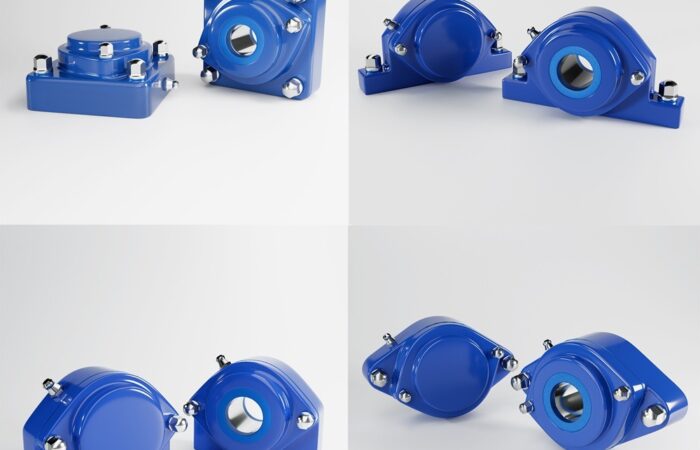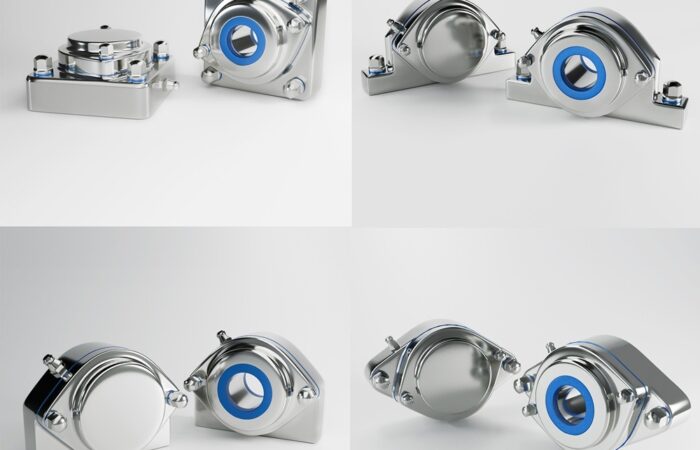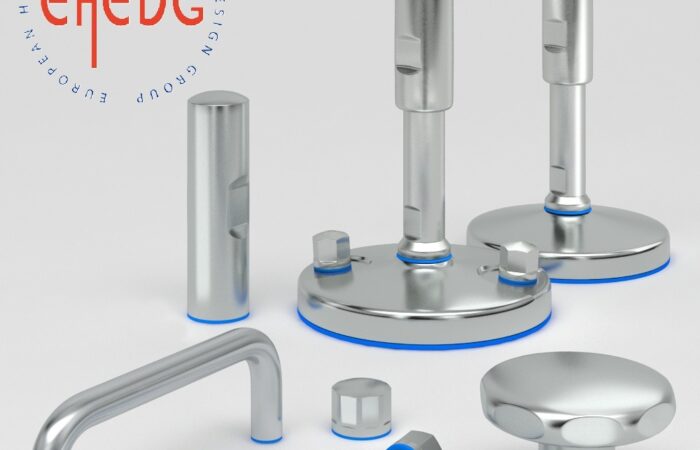












Choosing between AISI 440C stainless steel vs hardened AISI 420 is not just a metallurgical decision. It is a practical decision that affects wear life, corrosion performance, service intervals, machining effort, and the total cost of ownership of a component. Both grades belong to the martensitic stainless family, which means both can be hardened by heat treatment and both are used where strength matters. The key difference is that 440C is a higher-carbon, higher-hardness grade, while 420 is a broader, more flexible family often selected when a balance of hardness, corrosion resistance, manufacturability, and cost is needed. Typical chemistry ranges underline that difference: 440C commonly carries about 0.95–1.20% carbon and 16–18% chromium, while common 420 specifications start around 0.15% carbon with about 12–14% chromium. 440C can reach about HRC 60, while common 420 variants are often in the mid-40s to mid-50s HRC range depending on the exact subtype and heat treatment. The key difference between AISI 440C stainless steel vs hardened AISI 420 starts with chemistry. Both are martensitic stainless steels, which means they can be hardened by heat treatment. However, 440C contains significantly more carbon than standard 420 grades. That higher carbon content allows 440C to form more hard carbides and achieve higher final hardness after heat treatment. AISI 420 is also a hardenable stainless steel, but it is a broader and more flexible grade family. Depending on the exact 420 subtype and heat treatment route, it can offer a useful range of hardness and corrosion resistance. That is why hardened 420 is widely used across industrial applications where strength and stainless performance are needed, but where extreme wear resistance is not the only design priority. In simple terms, 440C is optimized more toward maximum hardness and wear resistance, while 420 is optimized more toward balanced industrial performance. Hardness is one of the most important selection criteria in this comparison. In many cases, the reason 440C is chosen over hardened 420 is straightforward: it can usually achieve a higher hardness level. AISI 440C can commonly reach around 58 to 60 HRC, and in some optimized conditions even slightly more. Hardened AISI 420 is usually found in a somewhat lower range, often around 48 to 56 HRC, depending on the exact grade chemistry, heat treatment, and final temper condition. That difference may appear small on paper, but in wear-critical parts it can have a major effect on service life. Higher hardness often improves resistance to: This is why 440C is often preferred in bearing components, valve seats, and precision wear parts. The material is especially useful when the component must hold its shape and surface quality over long operating cycles. Hardened 420 still offers strong performance, but it is usually better suited to parts where the wear demand is moderate rather than extreme. In many industrial components, 420 provides more than enough hardness without moving to the more wear-focused specification of 440C. One of the most common misunderstandings in this comparison is to assume that the harder grade is automatically better in every environment. That is not always true. Both 440C and 420 are martensitic stainless steels. Neither should be expected to match the corrosion resistance of austenitic stainless steels such as 304 or 316 in highly aggressive environments. However, both can perform well in the right condition, especially when properly hardened, ground, polished, and passivated. Hardened 420 often performs very well in environments involving: 440C can also provide good corrosion resistance, especially when finished correctly, but its main advantage is still wear resistance rather than broad corrosion tolerance. In many applications, corrosion resistance is strongly influenced by surface finish, retained free iron, passivation quality, and how the part is heat treated. That means the real comparison is not just material versus material. It is also material plus heat treatment plus surface finish plus service environment. From a technical point of view, heat treatment is central to the performance of both grades. Without the correct thermal cycle, neither 440C nor 420 will deliver its expected hardness, microstructure, or corrosion behavior. AISI 420 is typically hardened by austenitizing, quenching, and tempering. The exact temperatures vary depending on the specific subtype and product form. The final properties also depend on section thickness, furnace control, quench method, and tempering temperature. AISI 440C follows a similar hardening route, but because of its higher carbon content, it generally produces a harder martensitic structure with more carbide formation. That improves wear resistance, but it can also make the material less forgiving in some manufacturing situations. In both grades, improper tempering can reduce corrosion resistance or dimensional stability. That is why serious component design should always consider the full manufacturing route, not just the material name on the drawing. A technically correct material choice also looks at production, not only end-use performance. In the annealed condition, both materials can be machined, although neither is considered especially easy compared with lower-strength stainless steels. Once hardened, machining becomes much more difficult. This is particularly true for 440C, which is often selected specifically because it becomes very hard. That has several implications: For many manufacturers, this is one of the strongest arguments in favor of hardened 420. If the application does not truly require the extra wear resistance of 440C, 420 may provide a more efficient route from raw material to finished part. This is especially relevant in production programs where cost control, lead time, and repeatability matter as much as peak material performance. When comparing AISI 440C stainless steel vs hardened AISI 420, the intended application often reveals the best answer. AISI 440C is commonly selected for: Hardened AISI 420 is commonly selected for: The difference is not that one material is modern and the other outdated. The difference is that they are optimized for different priorities. 440C is often the better choice where contact surfaces must survive long periods of high stress and friction. 420 is often the better choice where reliable all-round stainless performance is needed across a wider range of parts. This material comparison is especially important in industries where components face both mechanical stress and regular cleaning. Typical industries include food processing, pharmaceutical manufacturing, medical equipment, pumps and valves, packaging machinery, conveyor systems, and precision mechanical assemblies. In hygienic industries, engineers must look beyond basic stainless labeling. They must consider: For example, a bearing insert in a wet production environment may benefit from 440C if wear is the dominant concern. A stainless shaft or knife in the same facility may be better served by hardened 420 if the duty cycle is less severe and manufacturing practicality matters more. Experience shows that material over-specification can be expensive. It is easy to choose the hardest grade and assume it is the safest decision. In reality, that can increase cost without delivering a proportional benefit. A better engineering approach is to identify the real failure mechanism first. Ask what usually causes replacement: If wear is the primary failure mode, 440C often justifies its selection. If the part fails for broader reasons and needs a balanced stainless solution, hardened 420 often becomes the smarter choice. A trustworthy comparison of AISI 440C stainless steel vs hardened AISI 420 should avoid oversimplification. Neither material is universally superior. Each one performs best when matched to the correct operating conditions. Technical expertise means understanding that material selection depends on: Authoritative engineering decisions are based on datasheets, heat treatment capability, service conditions, and validation testing. Trustworthy material recommendations also acknowledge tradeoffs clearly. The better material depends on the application. Choose AISI 440C when you need maximum hardness, high wear resistance, strong dimensional stability, and reliable performance in demanding rolling or sliding contact conditions. Choose hardened AISI 420 when you need a more balanced combination of hardness, corrosion resistance, manufacturability, and cost-effectiveness for general industrial service. In the end, the right material is not the one with the highest hardness value on paper. It is the one that performs most reliably in the real environment where the component must operate. Industrial machinery requires precision-engineered components that meet exacting standards for durability, safety, and performance. This comprehensive guide explores the essential machinery parts that drive modern manufacturing across food processing, packaging, and chemical industries. Understanding the difference between Pillow Block Units and Flange Mounted Units is crucial for engineers and procurement professionals seeking to optimize equipment longevity. Pillow block bearings, also known as plummer blocks, are self-aligning bearing units that simplify installation and significantly reduce maintenance costs. These versatile components mount on machine frames and support rotating shafts with exceptional precision, ensuring smooth operation in demanding industrial environments. Flange bearing units offer a more compact alternative, featuring integrated flanges that enable direct mounting to flat surfaces without additional hardware. Both designs come in various materials, including stainless steel grades optimized for corrosive environments and food-grade applications where hygiene is paramount. The importance of material selection cannot be overstated in machinery design. 440 Grade Steel and 420 grades offer distinctly different properties suited to specific applications and environmental conditions. The 440 stainless steel variant provides superior hardness and exceptional edge retention, making it ideal for cutting tools and high-wear applications requiring maximum durability. Meanwhile, 420 stainless steel offers better corrosion resistance and is preferred in food processing equipment where chemical exposure is common. Hygienic stainless steel components have become essential in food machinery, meeting EHEDG standards and facilitating rapid equipment cleaning required in modern food production facilities. Understanding ingress protection ratings is equally critical for machinery durability and operational reliability. IP67 rating ensures protection against dust and temporary water immersion, while IP68 rating provides complete dust protection and sustained water immersion capabilities for submerged operations. The IP69K standard represents the highest protection level, specifically designed for high-pressure wash-down environments found in industrial food processing facilities. These ratings define how effectively machinery components withstand environmental challenges and maintain performance. Modern industrial facilities increasingly demand equipment that combines high performance with ease of maintenance and sanitation. The choice between different bearing types depends on operational requirements, environmental conditions, and budget constraints. Proper component selection ensures extended equipment lifespan, reduced downtime, and improved operational efficiency.AISI 440C Stainless Steel vs Hardened AISI 420: Which Material Fits Your Application Best?
NHK insight
“EHEDG and 3-A certified components turn hygiene from a subjective discussion into a documented, auditable standard.”What Is the Main Difference Between AISI 440C and Hardened AISI 420?
Hardness and Wear Resistance
Corrosion Resistance in Real Industrial Conditions
Heat Treatment and Metallurgical Performance
Machinability and Manufacturing Considerations
Usage in Bearings, Valves, Blades, and Precision Parts
Industries Where This Comparison Matters Most
Experience and Practical Material Selection
Expertise, Authoritativeness, and Trustworthiness in Material Decisions
Which Material Is Better?
Contact
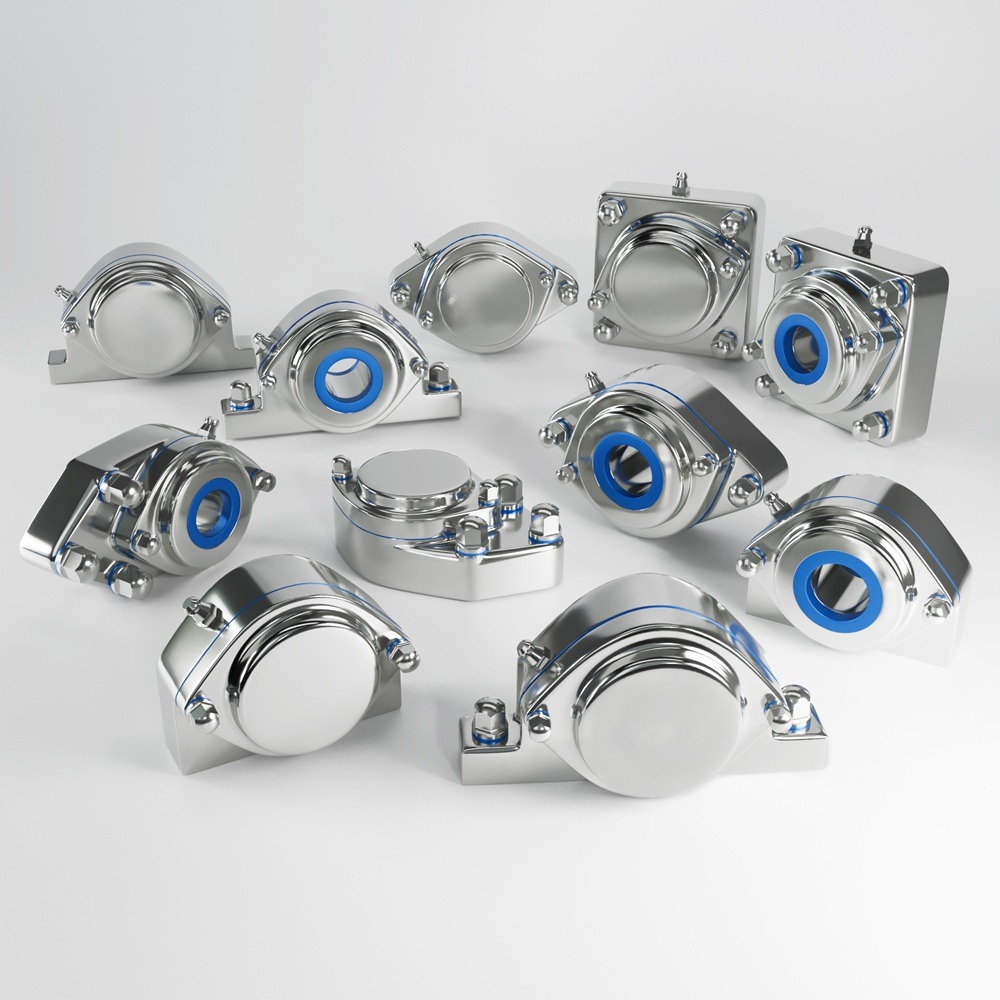
Understanding Machinery Components & Protection Standards