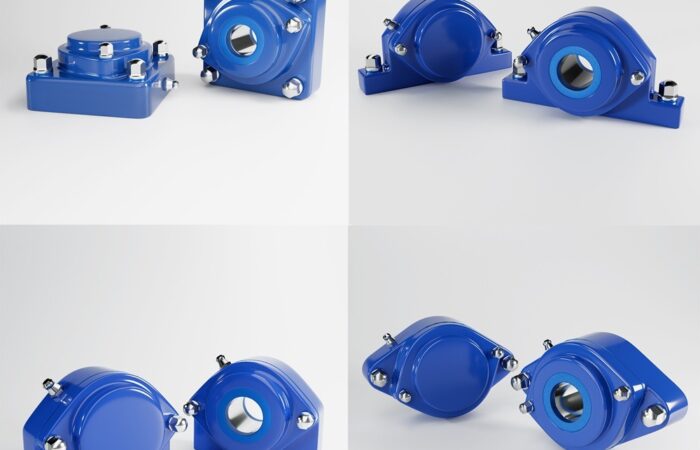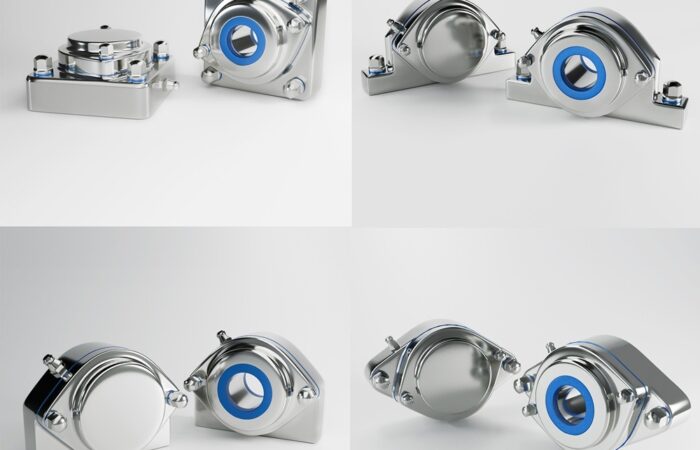












Conveyor systems are essential components in modern industries, ensuring smooth and efficient material handling. A critical but often overlooked part of these systems is the conveyor side guide. When manufactured in stainless steel, these components offer a wide range of advantages, making them indispensable for sectors such as food processing, pharmaceuticals, and heavy-duty industrial applications. Conveyor side guides are designed to keep materials aligned on the belt, preventing spillage and ensuring smooth transportation. They are vital for operations requiring precision and speed, particularly in industries where hygiene, durability, and resistance to environmental factors are priorities. Stainless steel is renowned for its strength and resilience, making it ideal for demanding environments. Conveyor side guides constructed from stainless steel withstand heavy loads, repeated impacts, and exposure to harsh conditions without deforming or degrading. This durability translates into a longer lifespan and reduced maintenance costs. Industries like food processing and pharmaceuticals prioritize hygiene. Stainless steel is easy to clean and resists bacterial growth, ensuring compliance with strict sanitary regulations. Its non-porous surface makes it suitable for environments where cleanliness is paramount. One of stainless steel’s standout features is its ability to resist corrosion. In industries where conveyors are exposed to moisture, chemicals, or extreme temperatures, stainless steel side guides maintain their integrity, preventing rust and contamination of materials being transported. Stainless steel’s sleek and professional appearance enhances the overall look of conveyor systems, reflecting a commitment to quality and cleanliness. This can positively impact branding, particularly in consumer-facing industries. Stainless steel is an eco-friendly material, being 100% recyclable. Its long lifecycle further contributes to sustainability, aligning with green manufacturing practices and reducing environmental impact. In food processing, stainless steel side guides prevent contamination, maintain product integrity, and meet regulatory standards. They are commonly used in applications such as bottling, canning, and packaging lines. Stainless steel side guides ensure precision and hygiene in pharmaceutical applications, where even minor contamination can compromise product safety. These guides are ideal for transporting capsules, tablets, and medical packaging. In industrial settings, stainless steel side guides handle high-impact operations and resist wear and tear from abrasive materials. They are vital for maintaining efficiency in environments like mining, construction, and manufacturing. Stainless steel side guides can be customized to meet specific operational needs. Adjustments in size, shape, and mounting configurations allow seamless integration into existing conveyor systems. Modern conveyor systems often include automation features. Stainless steel side guides are designed to align with these technologies, enhancing efficiency and reducing manual intervention. Rounded edges and precision manufacturing minimize risks of injury or product damage, ensuring safe and reliable operation. While stainless steel components may have a higher upfront cost than other materials, their durability, low maintenance requirements, and extended lifespan result in significant long-term savings. They reduce downtime, replacement frequency, and contamination-related losses, providing an excellent return on investment. The industry continues to innovate, with advancements such as: Stainless steel conveyor side guides are more than just components; they are critical to the efficiency, safety, and hygiene of modern industrial processes. Their unmatched durability, hygienic properties, and long-term cost-effectiveness make them the preferred choice for industries ranging from food processing to heavy manufacturing. By investing in stainless steel side guides, businesses not only enhance operational performance but also demonstrate a commitment to quality and sustainability. Whether you are optimizing a food production line or upgrading industrial conveyors, stainless steel side guides offer the perfect balance of functionality and reliability. Industrial machinery requires precision-engineered components that meet exacting standards for durability, safety, and performance. This comprehensive guide explores the essential machinery parts that drive modern manufacturing across food processing, packaging, and chemical industries. Understanding the difference between Pillow Block Bearings and Direct Mount Bearings is crucial for engineers and procurement professionals seeking to optimize equipment longevity. Pillow block bearings, also known as plummer blocks, are self-aligning bearing units that simplify installation and significantly reduce maintenance costs. These versatile components mount on machine frames and support rotating shafts with exceptional precision, ensuring smooth operation in demanding industrial environments. Flange bearing units offer a more compact alternative, featuring integrated flanges that enable direct mounting to flat surfaces without additional hardware. Both designs come in various materials, including stainless steel grades optimized for corrosive environments and food-grade applications where hygiene is paramount. The importance of material selection cannot be overstated in machinery design. Stainless Steel 440 and 420 grades offer distinctly different properties suited to specific applications and environmental conditions. The 440 stainless steel variant provides superior hardness and exceptional edge retention, making it ideal for cutting tools and high-wear applications requiring maximum durability. Meanwhile, 420 stainless steel offers better corrosion resistance and is preferred in food processing equipment where chemical exposure is common. Hygienic stainless steel components have become essential in food machinery, meeting EHEDG standards and facilitating rapid equipment cleaning required in modern food production facilities. Understanding ingress protection ratings is equally critical for machinery durability and operational reliability. IP67 rating ensures protection against dust and temporary water immersion, while IP68 rating provides complete dust protection and sustained water immersion capabilities for submerged operations. The IP69K standard represents the highest protection level, specifically designed for high-pressure wash-down environments found in industrial food processing facilities. These ratings define how effectively machinery components withstand environmental challenges and maintain performance. Modern industrial facilities increasingly demand equipment that combines high performance with ease of maintenance and sanitation. The choice between different bearing types depends on operational requirements, environmental conditions, and budget constraints. Proper component selection ensures extended equipment lifespan, reduced downtime, and improved operational efficiency.Stainless Steel Conveyor Side Guides: The Unsung Heroes of Efficient Material Handling
NHK insight
“When you combine EHEDG or 3-A certification with IP69K protection, you give both QA and maintenance a much stronger starting point.”Download our catalogue here
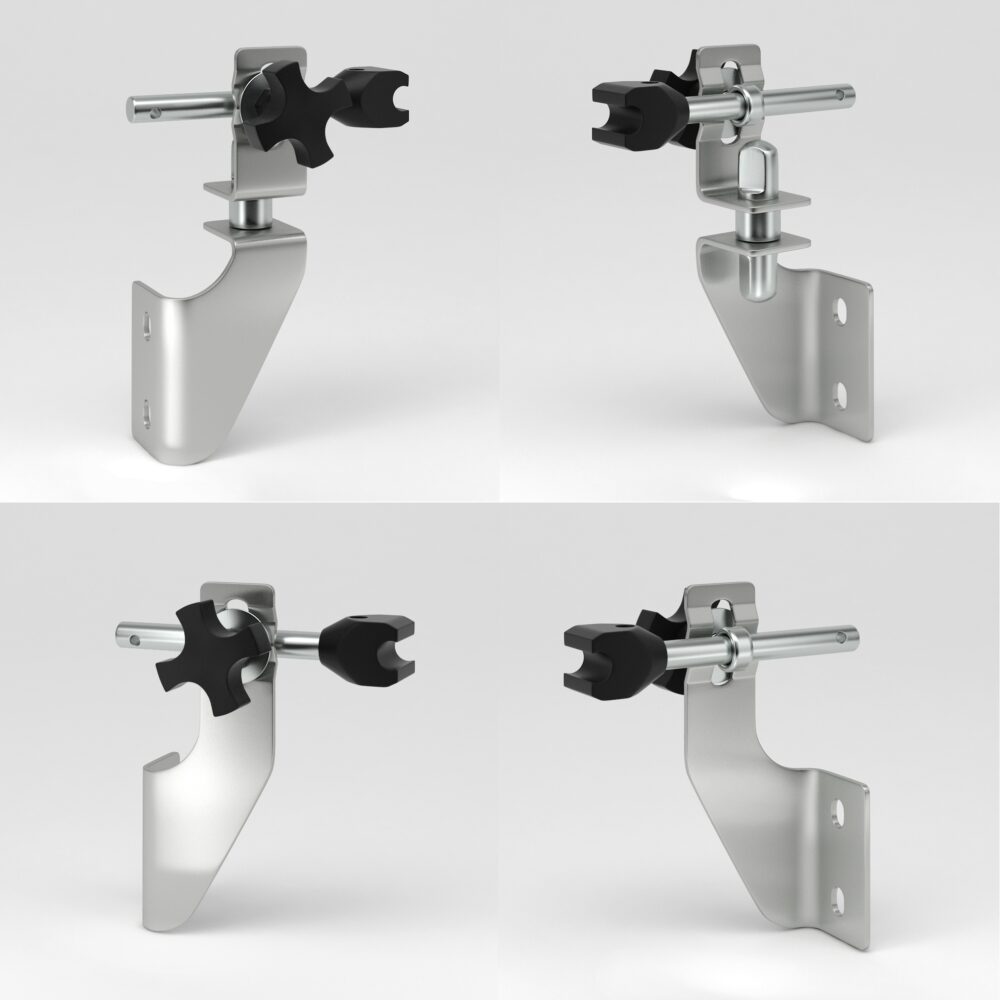
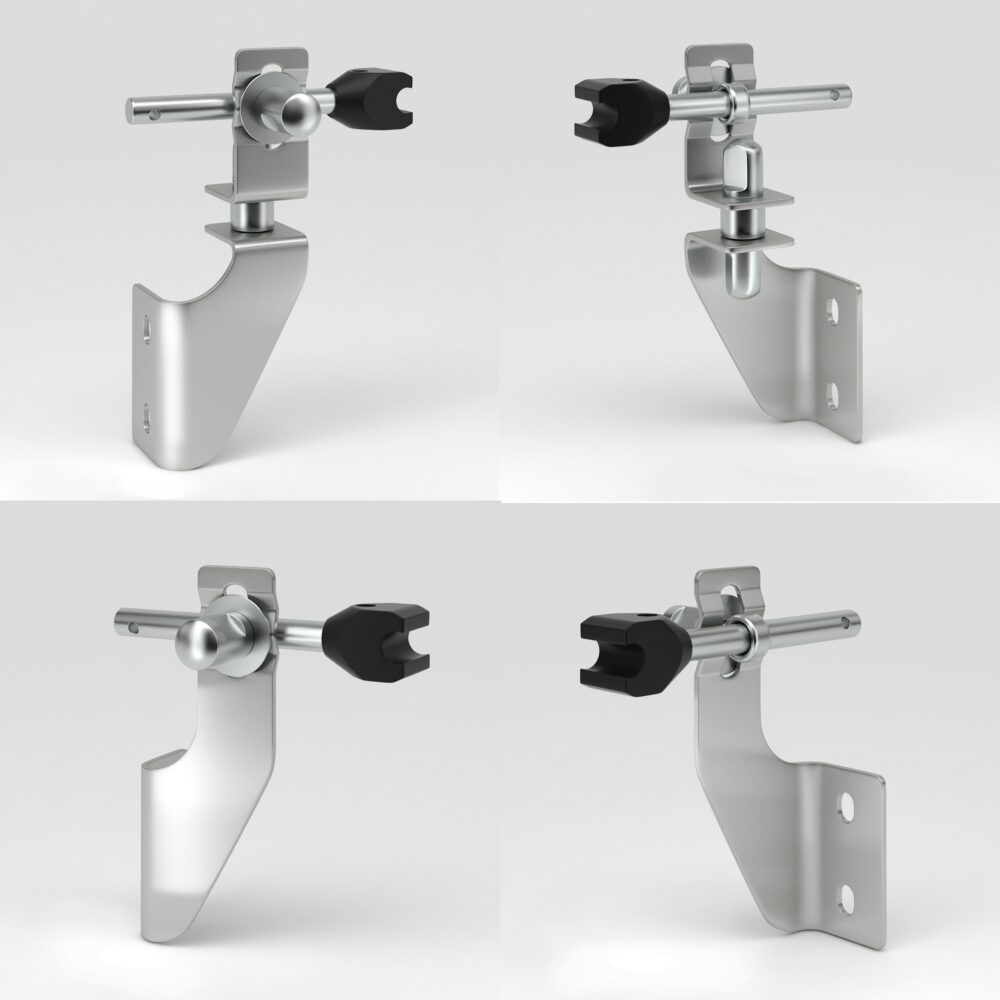
See our Stainless Steel Side Guides here
The Role of Conveyor Side Guides
Advantages of Stainless Steel Construction
Exceptional Durability
Hygienic Properties
Corrosion Resistance
Aesthetic Appeal and Branding
Sustainability
Application-Specific Benefits
Food and Beverage Industry
Pharmaceutical Industry
Heavy-Duty Industrial Applications
Design Considerations for Stainless Steel Side Guides
Customization Options
Compatibility with Automated Systems
Safety Features
Cost-Effectiveness of Stainless Steel Side Guides
Future Trends in Stainless Steel Conveyor Side Guides
The Smart Choice for Modern Industries
Future proofing
Contact
Articles
Understanding Machinery Components & Protection Standards