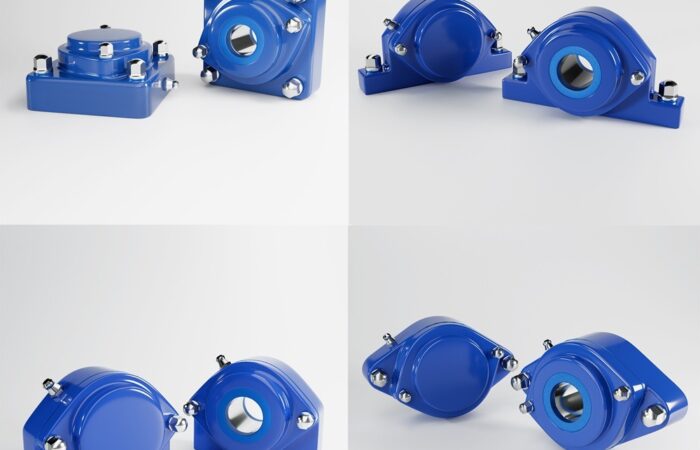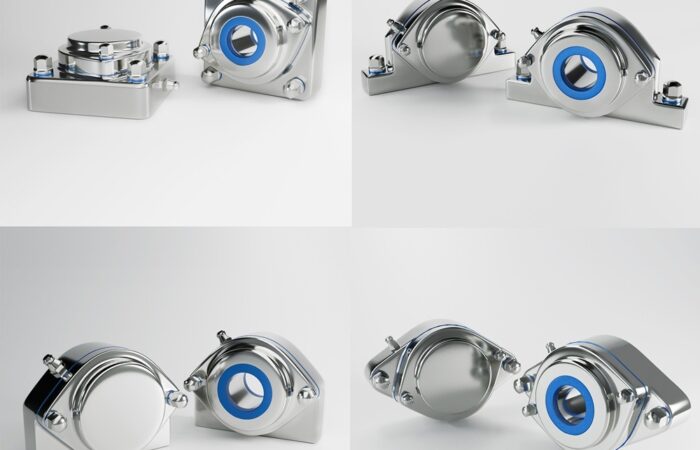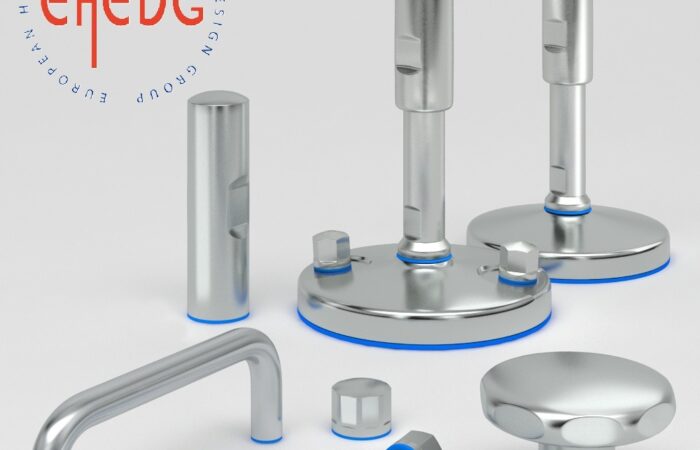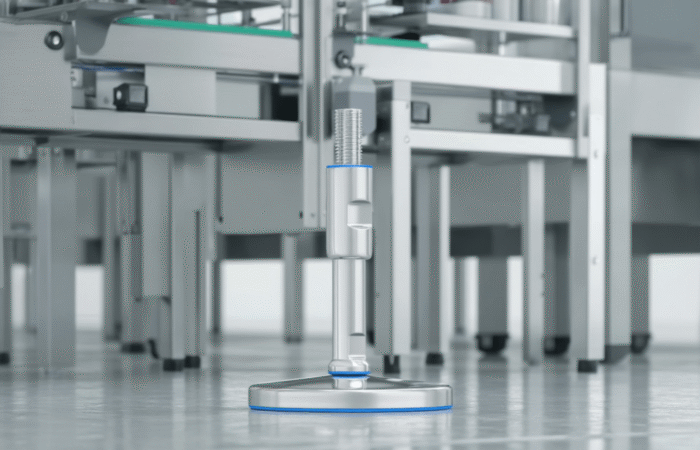












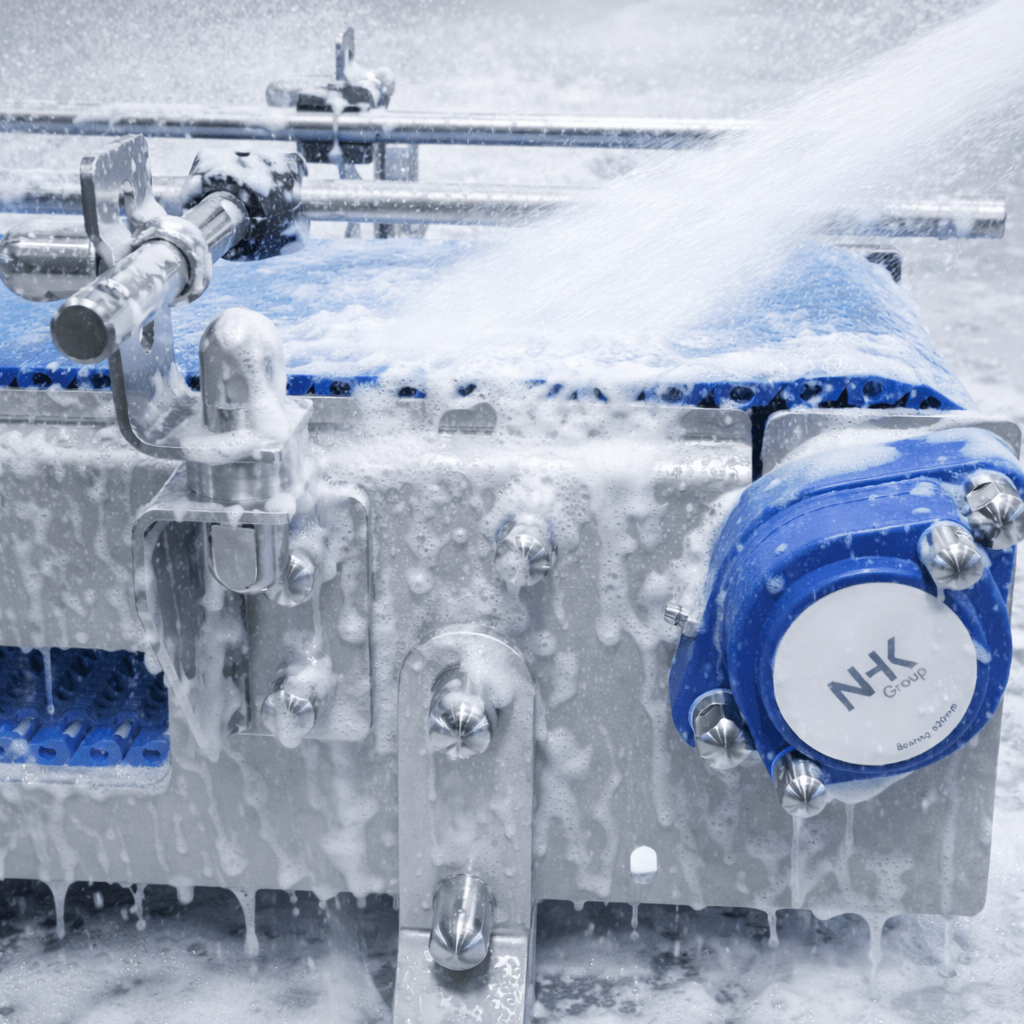
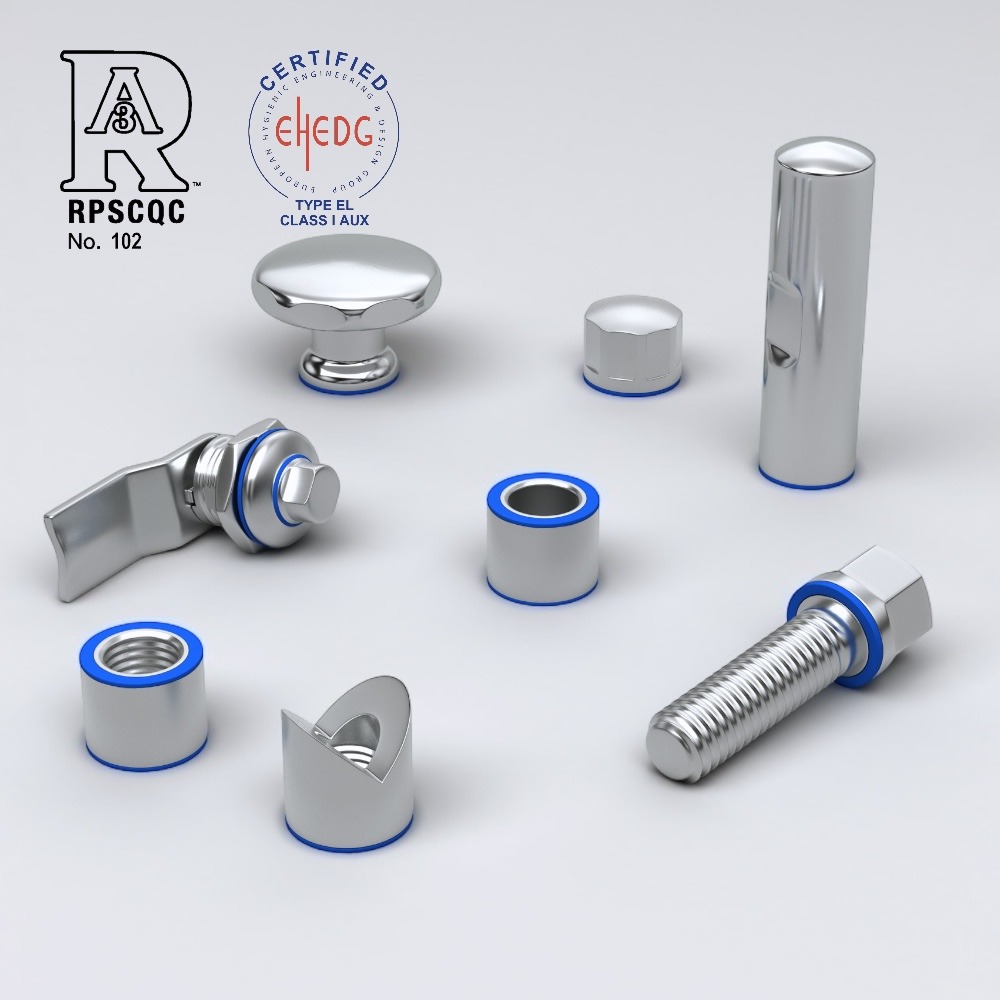
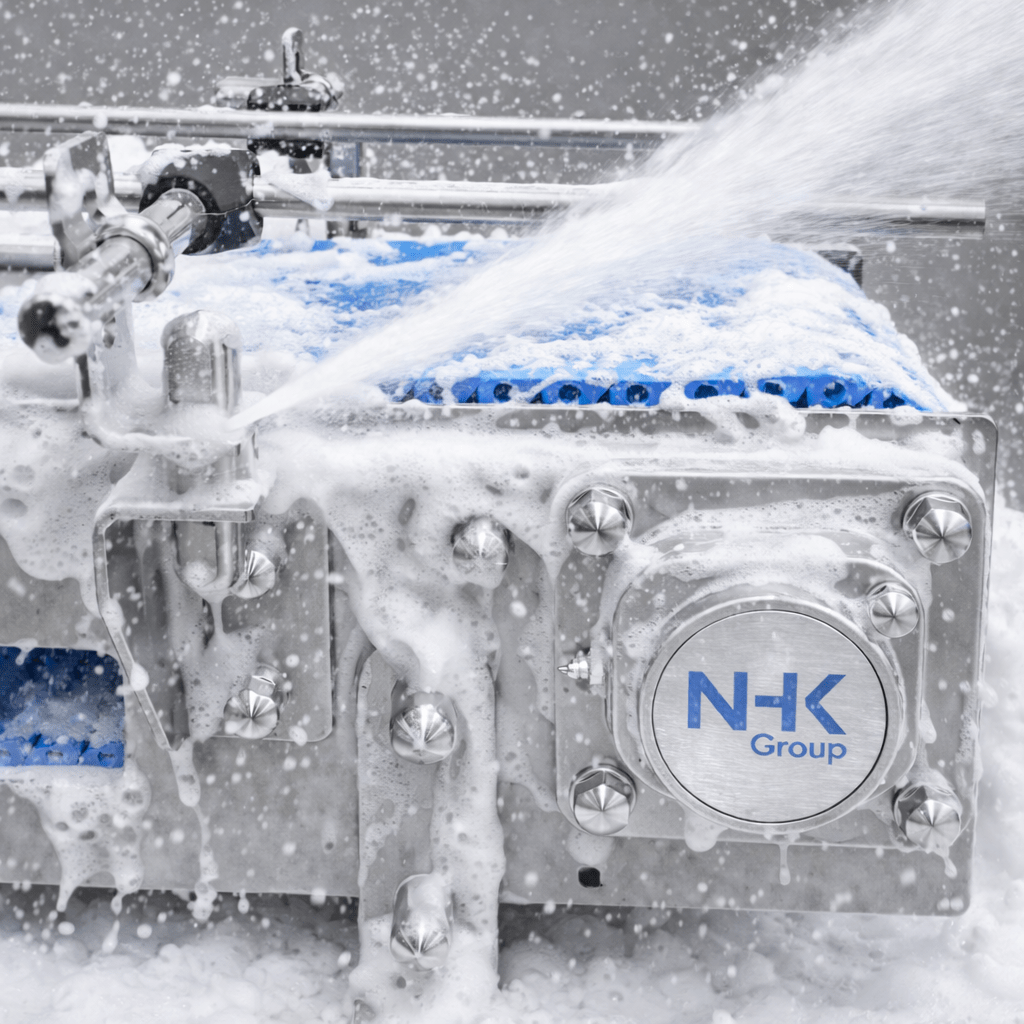
Food safety starts long before sanitation crews arrive. It starts at the design stage, where equipment geometry, surface finish, material selection, drainage, weld quality, and accessibility either support hygiene or quietly undermine it. That matters because unsafe food still causes more than 600 million illnesses and 420,000 deaths worldwide each year, while CDC estimates 48 million illnesses annually in the United States alone. Regulators and industry groups therefore keep pushing the same message: equipment must be cleanable, corrosion resistant, non-toxic, and built to prevent contamination rather than simply react to it later. Hygienic design gives food manufacturers a practical path to stronger control. Instead of relying on heavier cleaning, operators remove contamination traps from the start. Crevices, dead ends, pooling zones, exposed threads, poorly finished seams, and hard-to-reach frames create perfect shelter for moisture, allergens, residues, and microbes. Better design reduces those risks, supports more effective cleaning, and strengthens HACCP-based food safety systems. In other words, hygienic design does not replace sanitation; it makes sanitation work. Hygienic design means designing equipment and facilities so teams can clean, inspect, maintain, and sanitize them thoroughly and consistently. EHEDG describes hygienic design as a risk-based approach that prevents contamination of food products, while ISO 14159 defines hygiene requirements for machinery used where hygiene risks to consumers can occur. FDA rules add the regulatory foundation by requiring food-contact surfaces to resist corrosion, withstand cleaning and sanitizing conditions, and protect food from contamination and allergen cross-contact. That definition reaches far beyond tanks and pipes. Conveyors, bearings, supports, fasteners, enclosures, panels, seals, frameworks, drains, and maintenance access points all affect food safety. FAO also links facility and equipment design directly to hazard control, maintenance, cleaning, disinfection, waste handling, and pest prevention. A hygienic line therefore works as a complete system, not as a collection of isolated components. Poor design creates hidden retention points. Those points hold product residue, moisture, cleaning chemicals, allergens, and microbial growth. FDA requires seams on food-contact surfaces to be smoothly bonded to minimize the buildup of food particles, dirt, and organic matter and to reduce opportunities for microorganism growth. EHEDG makes the same point from an engineering angle: poorly designed equipment becomes difficult to clean and raises the risk of cross-contamination. Hygienic design also supports daily operational discipline. When teams can see, reach, clean, and inspect surfaces easily, sanitation gets faster and more consistent. When liquid drains fully and product cannot pool, plants reduce both microbial harborage and recontamination risk. When components tolerate cleaning chemicals and thermal cycling, plants avoid premature wear that can later create cracks, rust, flakes, or foreign-body hazards. Key food safety gains from hygienic design: The table below summarizes common differences between conventional equipment thinking and hygienic design expectations reflected in FDA, EHEDG, 3-A SSI, ISO, FAO, and food safety design guidance. Food processors gain the most from hygienic design in high-moisture, high-touch, and high-changeover environments. Wet processing lines, open conveyors, fillers, slicers, mixers, pumps, and post-lethality zones all face elevated contamination pressure. Ready-to-eat production adds another layer of risk because plants cannot rely on a later kill step to correct poor design upstream. Meat, poultry, dairy, beverages, prepared meals, bakery, produce, and infant nutrition operations therefore benefit strongly from hygienically designed equipment and layouts. Plants also use hygienic design to strengthen allergen control and changeover performance. FDA specifically ties equipment maintenance to protection from allergen cross-contact, while HACCP programs depend on reliable hazard control across production and sanitation. Cleaner geometry shortens the path from production stop to verified restart. That operational advantage matters just as much as the hygiene benefit. Every food segment benefits, but some sectors depend on hygienic design more heavily than others. Dairy and beverage producers need cleanable process equipment, validated surfaces, and strong drainage because liquids spread contamination quickly. Meat and poultry plants need robust sanitary design because moisture, proteins, fats, and post-lethality exposure can create persistent harborage risks. Bakery and snack manufacturers often focus on dry hygiene, allergen control, and easy inspection, while produce processors need cleanable equipment that handles water, soil, and organic load without creating niches. Global frameworks reflect that broad relevance. 3-A SSI publishes sanitary standards across many food and beverage equipment categories and also includes pharmaceutical standards and accepted practices. ISO 14159 applies broadly to machinery where hygiene risks can affect the consumer. FAO likewise treats facility and equipment design as a core good hygiene practice across food establishments. Material selection drives hygienic performance. FDA guidance calls for food-contact surfaces that are corrosion resistant, durable, smooth, non-toxic, relatively non-absorbent, and free of open seams. USDA dairy equipment guidance similarly expects non-toxic, non-absorbent materials with corrosion resistance equal to stainless steel in the AISI 300 series for intended use conditions. Those requirements explain why stainless steel remains the dominant food equipment material. Surface condition matters just as much as base alloy. 3-A guidance states that sanitary criteria include surface finish requirements generally equivalent to or smoother than 32 microinch, or 0.8 µm Ra, and free from pits, folds, and crevices. Hygienic weld quality matters too. EHEDG’s welding guidance highlights the need for technically correct, verifiable hygienic welds in stainless steel tubing because poor joins can destroy an otherwise good design. Experience usually teaches the same lesson: sanitation teams notice bad design first. Operators lose time around hidden niches, unsupported belts, exposed threads, hollow sections, and hard-to-drain frames. Maintenance teams then inherit the consequences through corrosion, damaged finishes, and contamination complaints. Plants that upgrade to hygienically designed equipment often simplify cleaning routines because design removes recurring trouble spots rather than asking crews to compensate for them every shift. Strong hygienic design follows recognizable principles. The Meat Institute’s food safety equipment design guidance stresses compatible materials, accessibility for inspection and sanitation, no product or liquid collection, hermetically sealed hollow areas, no niches, cleanability to a microbiological level, and validated sanitation protocols. Those principles align closely with FDA and EHEDG expectations. Practical expert checklist: Authoritative hygienic design does not come from marketing language alone. FDA cGMPs set legal equipment expectations in food manufacturing. HACCP provides the hazard-control framework. ISO 14159 defines hygiene requirements for machinery. EHEDG publishes engineering guidance for food manufacturing. 3-A SSI develops sanitary standards and accepted practices for many equipment categories, with its General Requirements standard serving as a baseline reference. Together, these sources give manufacturers a credible path for specification, procurement, validation, and audit preparation. Trustworthy hygienic design requires evidence. Ask suppliers for declared materials, surface finish data, weld quality controls, cleanability method, drainage logic, and sanitation compatibility. Review whether the design supports CIP, COP, or manual cleaning as intended. Check whether product-contact and adjacent non-product surfaces both avoid niches and support inspection. Finally, verify that cleaning procedures are written, practical, and proven effective for the real production environment, not just for a showroom demo. Advancing food safety through hygienic design means making contamination harder, cleaning easier, and verification more reliable. Food manufacturers that build hygiene into equipment, materials, and layout gain more than compliance. They gain a safer process, stronger operational control, and a production environment that supports quality every day. In a market where food safety failures carry human, financial, and reputational costs, hygienic design stands out as one of the smartest preventive investments a processor can make. Industrial machinery requires precision-engineered components that meet exacting standards for durability, safety, and performance. This comprehensive guide explores the essential machinery parts that drive modern manufacturing across food processing, packaging, and chemical industries. Understanding the difference between Plummer Blocks and Flange Bearings is crucial for engineers and procurement professionals seeking to optimize equipment longevity. Pillow block bearings, also known as plummer blocks, are self-aligning bearing units that simplify installation and significantly reduce maintenance costs. These versatile components mount on machine frames and support rotating shafts with exceptional precision, ensuring smooth operation in demanding industrial environments. Flange bearing units offer a more compact alternative, featuring integrated flanges that enable direct mounting to flat surfaces without additional hardware. Both designs come in various materials, including stainless steel grades optimized for corrosive environments and food-grade applications where hygiene is paramount. The importance of material selection cannot be overstated in machinery design. Type 440 Steel and 420 grades offer distinctly different properties suited to specific applications and environmental conditions. The 440 stainless steel variant provides superior hardness and exceptional edge retention, making it ideal for cutting tools and high-wear applications requiring maximum durability. Meanwhile, 420 stainless steel offers better corrosion resistance and is preferred in food processing equipment where chemical exposure is common. Hygienic stainless steel components have become essential in food machinery, meeting EHEDG standards and facilitating rapid equipment cleaning required in modern food production facilities. Understanding ingress protection ratings is equally critical for machinery durability and operational reliability. IP67 rating ensures protection against dust and temporary water immersion, while IP68 rating provides complete dust protection and sustained water immersion capabilities for submerged operations. The IP69K standard represents the highest protection level, specifically designed for high-pressure wash-down environments found in industrial food processing facilities. These ratings define how effectively machinery components withstand environmental challenges and maintain performance. Modern industrial facilities increasingly demand equipment that combines high performance with ease of maintenance and sanitation. The choice between different bearing types depends on operational requirements, environmental conditions, and budget constraints. Proper component selection ensures extended equipment lifespan, reduced downtime, and improved operational efficiency.Advancing Food Safety Through Hygienic Design
NHK insight
“In many projects, the cost of one product hold easily exceeds the extra investment in properly certified components.”What hygienic design means in modern food production
Why hygienic design directly improves food safety
Hygienic design vs conventional equipment
Area Conventional approach Hygienic design approach Surface finish Rougher surfaces with defects tolerated Smooth, imperfection-free, easy-to-clean finishes Seams and joints Gaps, overlaps, and hard-to-clean welds Smoothly bonded seams and hygienic weld quality Drainage Flat zones or horizontal ledges Self-draining geometry and angled or rounded framework Fasteners Exposed threads and dirt traps Minimized or hygienically designed fastening points Accessibility Cleaning around equipment Cleaning through, under, and inside equipment Materials Lowest-cost acceptable materials Corrosion-resistant, non-toxic, non-absorbent materials suited to cleaning chemistry Maintenance design Service first, hygiene later Maintenance access that protects the hygienic zone Validation Cleaning assumed to work Cleaning and sanitation procedures defined and validated Where hygienic design delivers the biggest gains
Industries that benefit most
Material choices that strengthen cleanability and durability
What plants learn after upgrading
The design principles that matter most
Standards and frameworks that shape best practice
How buyers should verify hygienic claims
The Gain
Contact
Articles
Understanding Machinery Components & Protection Standards