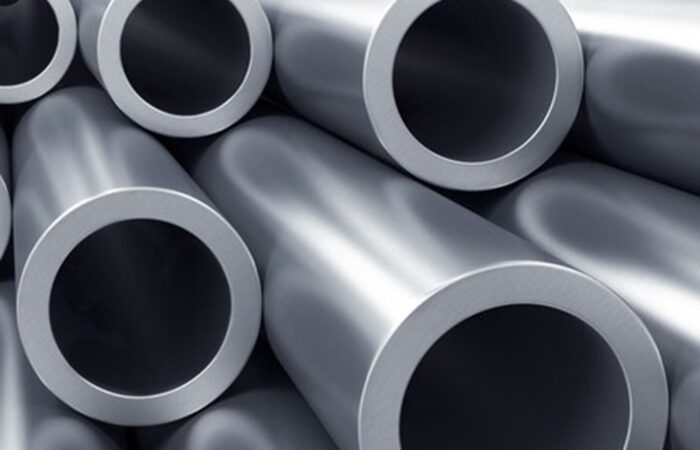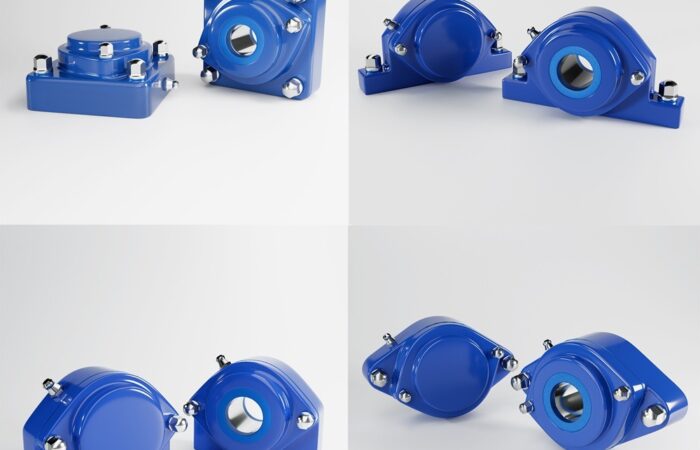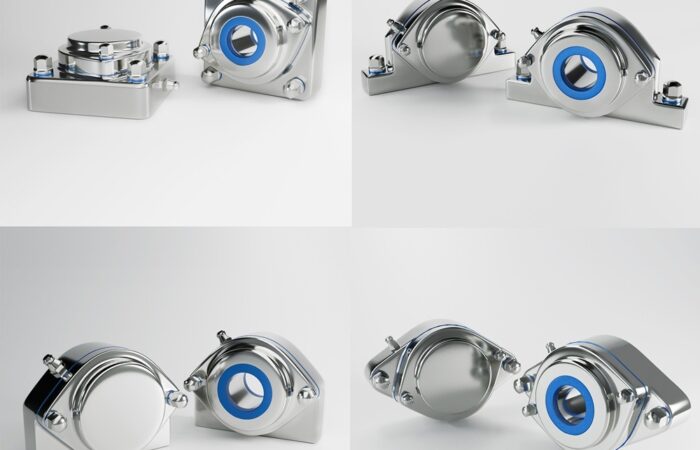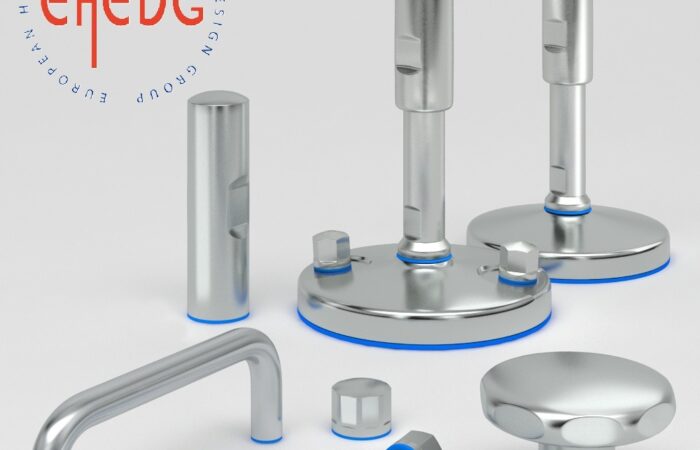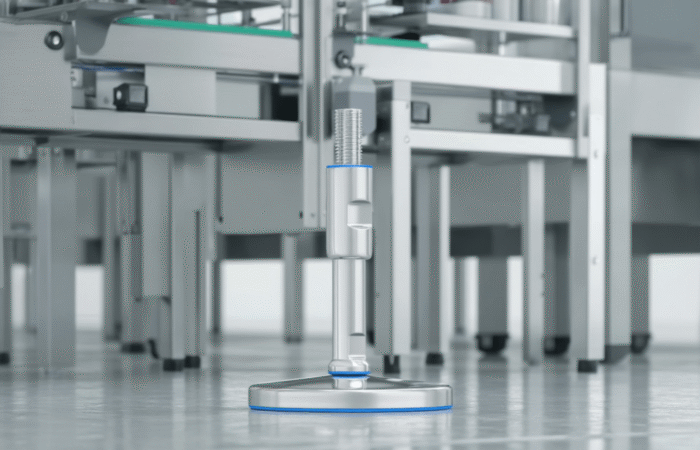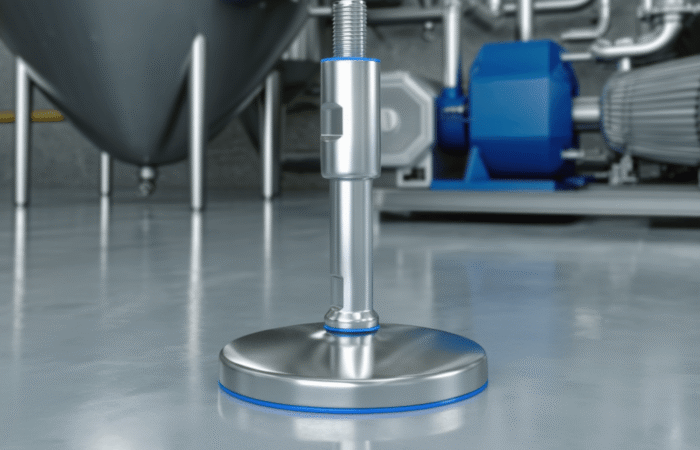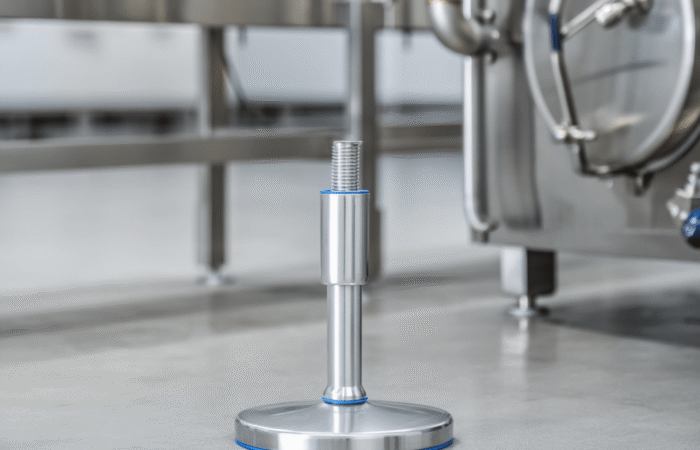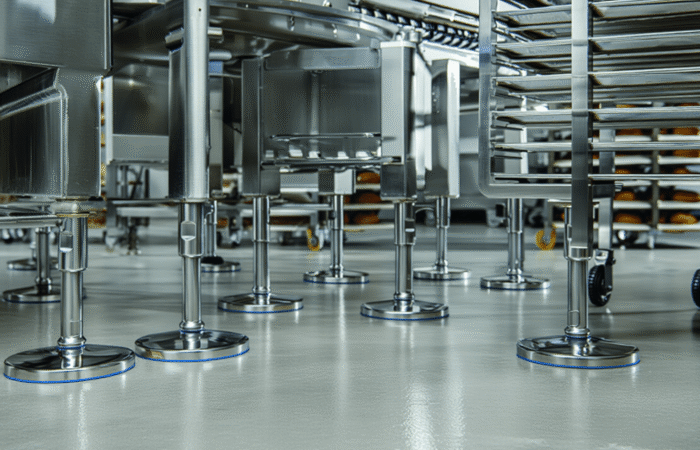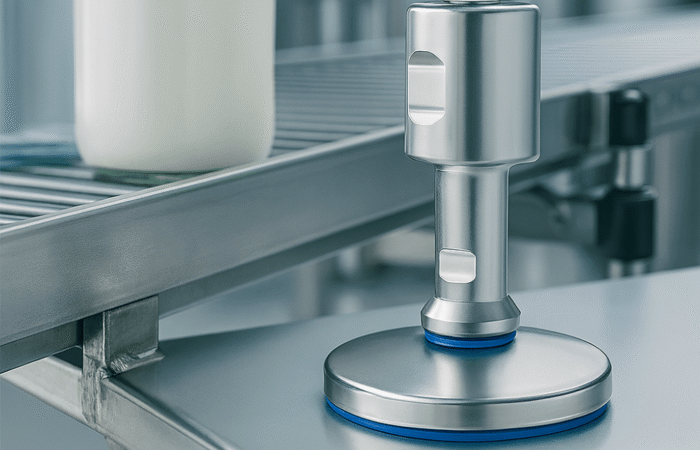












Sealed Stainless Steel Bearing Units 440 stainless steel belongs to the 400 series of stainless steels, characterized by their high strength, hardness, and moderate corrosion resistance. It comes in three primary grades: Key properties of 440C stainless steel include: The high carbon content in 440C, combined with chromium, creates a material with unmatched edge retention. This makes it the material of choice for: 440C’s microstructure, achieved through precise heat treatment, provides exceptional resistance to wear and abrasion. This property is critical in: While 440C offers moderate corrosion resistance, it performs well in applications where exposure to moisture is intermittent, such as outdoor tools and surgical instruments. Knife manufacturers favor 440C for its ability to achieve a razor-sharp edge and maintain it over extended periods. From hunting knives to kitchen cutlery, its durability ensures reliable performance. Industrial and aerospace sectors rely on 440C for bearings exposed to high loads and rotational speeds. Its wear resistance ensures smooth operation and longevity, even in demanding environments. Medical-grade tools like scalpels and scissors benefit from 440C’s ability to hold a fine edge. Its corrosion resistance ensures sterility and longevity in repeated sterilization cycles. 440C stainless steel is also used in: The performance of 440C stainless steel depends significantly on proper heat treatment. The process involves: This meticulous process ensures the material’s exceptional properties, making it suitable for high-performance applications. While 440C offers unparalleled hardness and edge retention, it’s essential to compare it with alternatives: These comparisons highlight 440C as the go-to option for cost-effective performance in demanding environments. When selecting materials for high-stress applications, consider the specific demands of your project: Discover the exceptional qualities of 440 stainless steel, particularly 440C, renowned for its extreme hardness, edge retention, and wear resistance. Ideal for knife blades, bearings, and surgical instruments. 440 stainless steel, particularly the 440C grade, is a versatile and high-performing material that excels in applications requiring extreme hardness, edge retention, and wear resistance. From precision surgical instruments to high-quality knife blades and industrial bearings, its unique properties make it indispensable in modern engineering and manufacturing. By understanding its properties, applications, and advantages, you can make informed decisions when choosing materials for your next project. Embrace the unmatched performance of 440 stainless steel and elevate your product’s quality and durability. Industrial machinery requires precision-engineered components that meet exacting standards for durability, safety, and performance. This comprehensive guide explores the essential machinery parts that drive modern manufacturing across food processing, packaging, and chemical industries. Understanding the difference between Pillow Blocks and Flange Bearing Units is crucial for engineers and procurement professionals seeking to optimize equipment longevity. Pillow block bearings, also known as plummer blocks, are self-aligning bearing units that simplify installation and significantly reduce maintenance costs. These versatile components mount on machine frames and support rotating shafts with exceptional precision, ensuring smooth operation in demanding industrial environments. Flange bearing units offer a more compact alternative, featuring integrated flanges that enable direct mounting to flat surfaces without additional hardware. Both designs come in various materials, including stainless steel grades optimized for corrosive environments and food-grade applications where hygiene is paramount. The importance of material selection cannot be overstated in machinery design. 440 Stainless Steel and 420 grades offer distinctly different properties suited to specific applications and environmental conditions. The 440 stainless steel variant provides superior hardness and exceptional edge retention, making it ideal for cutting tools and high-wear applications requiring maximum durability. Meanwhile, 420 stainless steel offers better corrosion resistance and is preferred in food processing equipment where chemical exposure is common. Hygienic stainless steel components have become essential in food machinery, meeting EHEDG standards and facilitating rapid equipment cleaning required in modern food production facilities. Understanding ingress protection ratings is equally critical for machinery durability and operational reliability. IP67 rating ensures protection against dust and temporary water immersion, while IP68 rating provides complete dust protection and sustained water immersion capabilities for submerged operations. The IP69K standard represents the highest protection level, specifically designed for high-pressure wash-down environments found in industrial food processing facilities. These ratings define how effectively machinery components withstand environmental challenges and maintain performance. Modern industrial facilities increasingly demand equipment that combines high performance with ease of maintenance and sanitation. The choice between different bearing types depends on operational requirements, environmental conditions, and budget constraints. Proper component selection ensures extended equipment lifespan, reduced downtime, and improved operational efficiency.The Power of 440C Stainless Steel
Hardness, Edge Retention and Wear Resistance Redefined
NHK insight
“When you combine EHEDG or 3-A certification with IP69K protection, you give both QA and maintenance a much stronger starting point.”Understanding 440 Stainless Steel
Composition and Properties
Why 440C Stainless Steel Excels
Superior Edge Retention
Exceptional Wear Resistance
Moderate Corrosion Resistance
Applications of 440 Stainless Steel
High-Quality Knife Blades
Bearings
Surgical Instruments
Other Uses
Heat Treatment for Optimal Performance
Comparing 440C with Other Stainless Steels
Choosing 440C Stainless Steel for Your Application
The Versatility and Strength of 440C Steel: A Trusted Choice for Precision and Durability
Contact
Understanding Machinery Components & Protection Standards