












When buyers search for a 3-A SSI authorized sanitary standard, they usually mean one of three things: a 3-A Sanitary Standard, a 3-A Accepted Practice, or equipment that is authorized to display the 3-A Symbol. The distinction matters. Technically, 3-A SSI develops standards and practices, while manufacturers receive authorization to display the 3-A Symbol on finished equipment that conforms to the applicable standard and passes independent verification. 3-A SSI has been a major reference point in hygienic equipment design for decades. The 3-A Symbol entered commercial use in 1956, and the organization’s current standards catalogue includes sanitary standards, accepted practices, and pharmaceutical practices. The latest catalogue also shows General Requirements, 3A 00-02, revised in 2026, which underlines that the framework continues to evolve rather than stand still. At its core, 3-A Sanitary Standards define sanitary criteria for the design and fabrication of equipment that contacts food. Their public-health purpose is straightforward: protect product from contamination and make product-contact surfaces cleanable, inspectable, and suitable for hygienic use. Accepted Practices extend that logic to systems, including installation and CIP-related criteria. The visible proof point is the 3-A Symbol, which manufacturers may use voluntarily only after meeting the program rules. That visible mark is not self-declared. A manufacturer must hire an accredited Certified Conformance Evaluator (CCE) to perform an on-site Third Party Verification (TPV) inspection of finished equipment. Any deficiencies found during inspection must be corrected before the equipment may display the 3-A Symbol. 3-A SSI also states that it does not accept other certifications or approvals as a substitute for TPV. The table below summarizes how the official 3-A structure works in practice. It is based on 3-A SSI’s standards catalogue, document library, and Symbol authorization resources. The biggest practical value of 3-A SSI appears during specification, purchasing, audit preparation, and hygienic redesign. Engineers use it to avoid dead zones, poor drainage, rough finishes, and inaccessible product-contact areas. Processors use it to compare suppliers on more than sales language. Sanitarians use it as a common reference point for uniform evaluation. In day-to-day operations, that means 3-A criteria can help teams: A key point often gets missed: 3-A SSI is about cleanability, hygienic design, materials, fabrication, and installation criteria where applicable. It is not a performance standard and it does not cover worker safety. That limitation is important because buyers should never treat a 3-A claim as a complete substitute for mechanical, operational, or plant-safety evaluation. Many people still associate 3-A SSI mainly with dairy, and that history is real. The framework has long-standing ties to dairy regulation and the Grade A Pasteurized Milk Ordinance (PMO). At the same time, 3-A SSI states that its standards and practices are also used as suitable sanitary criteria for broader gıda işleme ekipmanları, and the current catalogue includes pharmaceutical practices as well. Today, the catalogue covers equipment families such as tanks, pumps, valves, fittings, conveyors, spray cleaning devices, sensors, and even machine leveling feet and supports. Accepted Practices address areas like hygienic pipeline installation, membrane systems, plant environmental air quality, and pasteurizer systems. Pharmaceutical entries cover terminology, materials, and pumps for active pharmaceutical ingredients. Materials sit at the heart of 3-A SSI logic. The organization’s primer explains that AISI 300 series stainless steels are the basic recommended product-contact metals, while certain other materials may be allowed for specific functions. It also notes that rubber, rubber-like materials, and plastics used in product-contact areas must conform to the relevant material standards. Surface quality matters just as much as material selection. 3-A fabrication criteria generally call for product-contact surfaces equivalent to or smoother than 32 µin. (0.8 µm) Ra, free from pits, folds, and crevices. The guidance also stresses drainage, access for cleaning and inspection, and compatibility with the intended cleaning method, whether that means CIP, COP, or manual cleaning. Weld quality, radii, gasket details, and seal design also play a direct role. The training material tied to 3-A design principles highlights continuously welded product-contact joints, smooth weld areas, removable or bonded gaskets where required, and minimum internal radii rules for cleanability. Those details explain why “stainless steel” alone never proves hygienic design. Geometry, finish, and inspection access matter just as much. Experience teaches a simple lesson: the hard part of hygienic design is rarely the brochure. The hard part is consistent execution in the finished machine. A design may look sanitary in a drawing, yet fail in real use because of poor weld finishing, trapped product zones, weak drainability, or awkward access for manual inspection. That is exactly why 3-A SSI built independent TPV into the Symbol program. Plants also learn that verified hygienic design can reduce friction between engineering, QA, sanitation, and procurement. A shared reference creates faster decisions. Instead of arguing over vague claims like “food grade” or “washdown ready,” teams can ask whether a standard applies, whether TPV occurred, and whether the equipment appears in the public certificate database. 3-A SSI’s expertise comes from how the documents are developed. The organization follows a consensus process consistent with ANSI requirements, with input from equipment fabricators, processors, and regulatory sanitarians. That multi-stakeholder structure matters because it prevents the standard from becoming purely theoretical or purely commercial. Another sign of technical rigor is the requirement for an Engineering Design and Technical Construction File (EDTCF) for products seeking authorization. In other words, compliance is not supposed to live only in marketing claims. It needs supporting technical evidence. 3-A SSI is not a government regulator, yet its standards carry real authority in practice. The official primer explains that 3-A standards and practices have a long history as references for state and federal authorities. It further notes that, under the PMO, equipment meeting a current 3-A standard or accepted practice complies with the sanitary design and construction standards of that ordinance. For non-PMO food systems, 3-A guidance may also support compliance with FDA inspection expectations, cGMPs, and HACCP-related sanitary principles. That is a strong position: voluntary, but highly influential. Trust starts with the Symbol, but it should end with verification. 3-A SSI offers a public searchable certificate database for current authorizations. Just as important, the site states that equipment without the 3-A Symbol should be considered not covered by the 3-A Symbol Authorization Program. That does not automatically mean the equipment is poor. It does mean the buyer should not treat it as 3-A authorized. A practical buyer checklist looks like this: If you want the clearest answer, here it is: 3-A SSI authorized sanitary design is not just a label. It is a structured system built around hygienic design criteria, consensus-developed standards, independent verification, and public traceability. For food, dairy, beverage, and selected pharmaceutical applications, that combination makes 3-A SSI one of the strongest references available when cleanability and contamination control matter most.Everything You Want to Know About 3-A SSI Authorized Sanitary Standard
NHK insight
“When you combine EHEDG or 3-A certification with IP69K protection, you give both QA and maintenance a much stronger starting point.”What “3-A SSI authorized” actually means
Comparison table: standards, practices, and authorization
Aspect 3-A Hijyen Standartları 3-A Accepted Practices 3-A Symbol Authorization Main purpose Hygienic design and fabrication criteria for equipment Hygienic criteria for systems, installation, CIP, and related process requirements Public mark showing qualified equipment conforms to an applicable 3-A standard Scope Individual equipment Processing systems and support systems Finished equipment licensed to display the Symbol Examples Pumps, tanks, valves, fittings, conveyors, machine leveling feet Pasteurizer systems, installation and CIP of hygienic pipelines, membrane systems Authorized equipment listed in the public certificate database Verification Standard sets the criteria Practice sets the criteria Independent TPV inspection by a CCE is required Buyer value Design benchmark System benchmark Fast, visible confidence and traceability Usage: where 3-A SSI adds real value
Industries: not only dairy
Materials: what sanitary design demands
Experience: what processors learn in the field
Expertise: why the 3-A system carries technical weight
Authoritativeness: where 3-A stands with regulators
Trustworthiness: how buyers can verify claims
Final takeaway
Temas etmek
Nesne
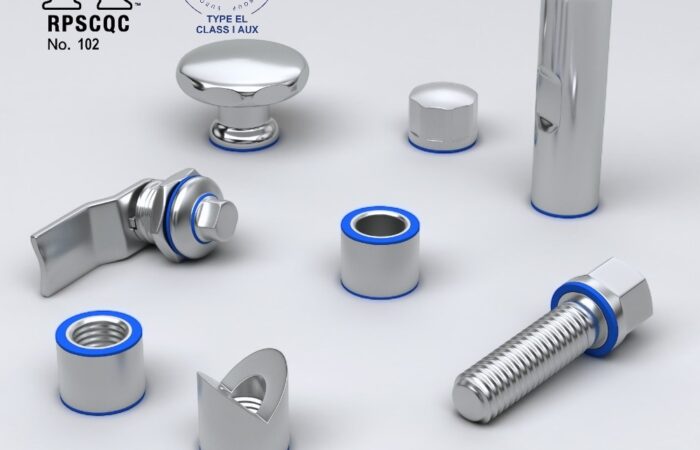
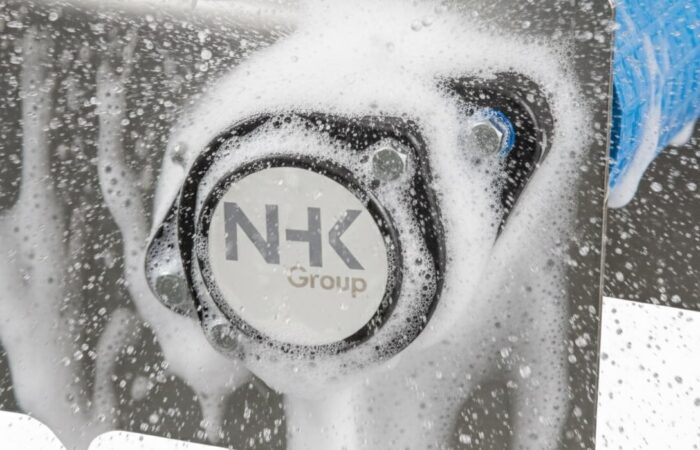
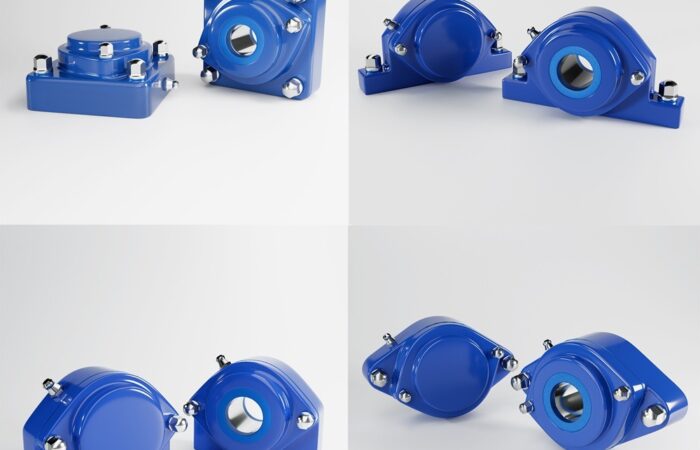
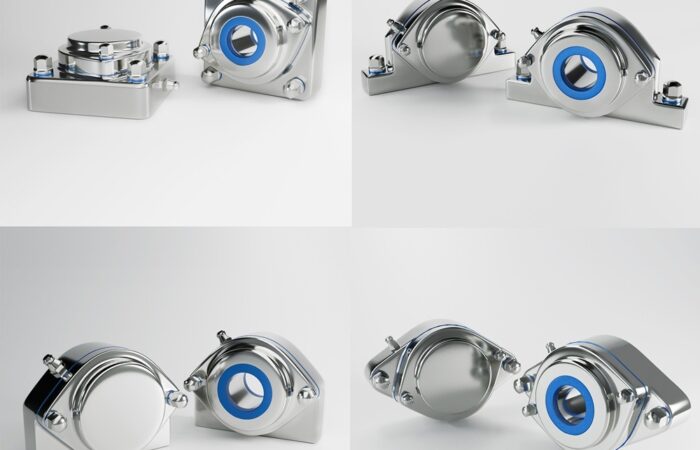
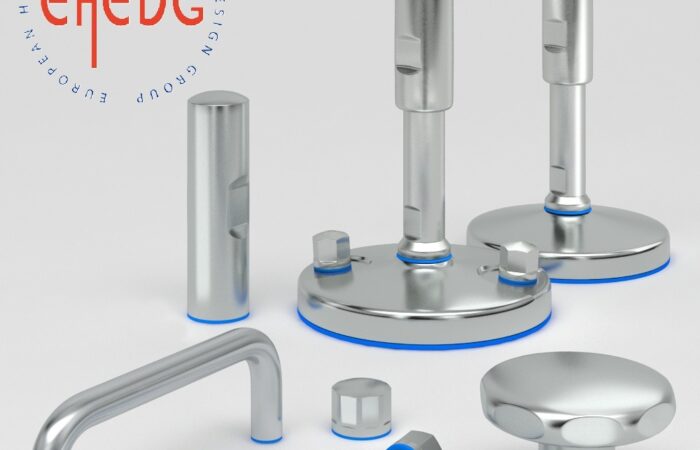
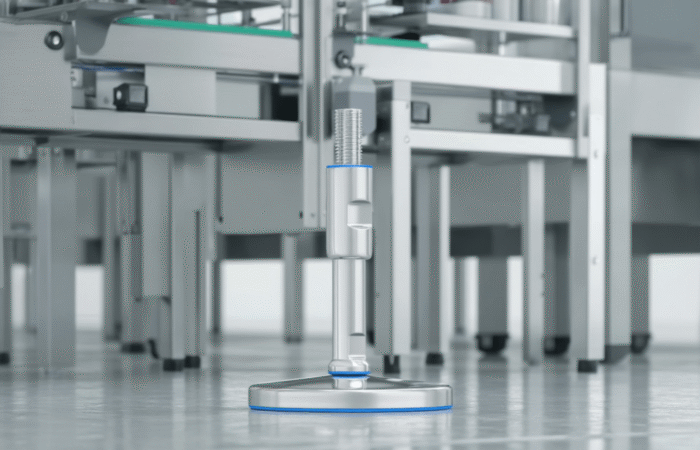
Endüstriyel Makine Parçaları ve Koruma Standartları
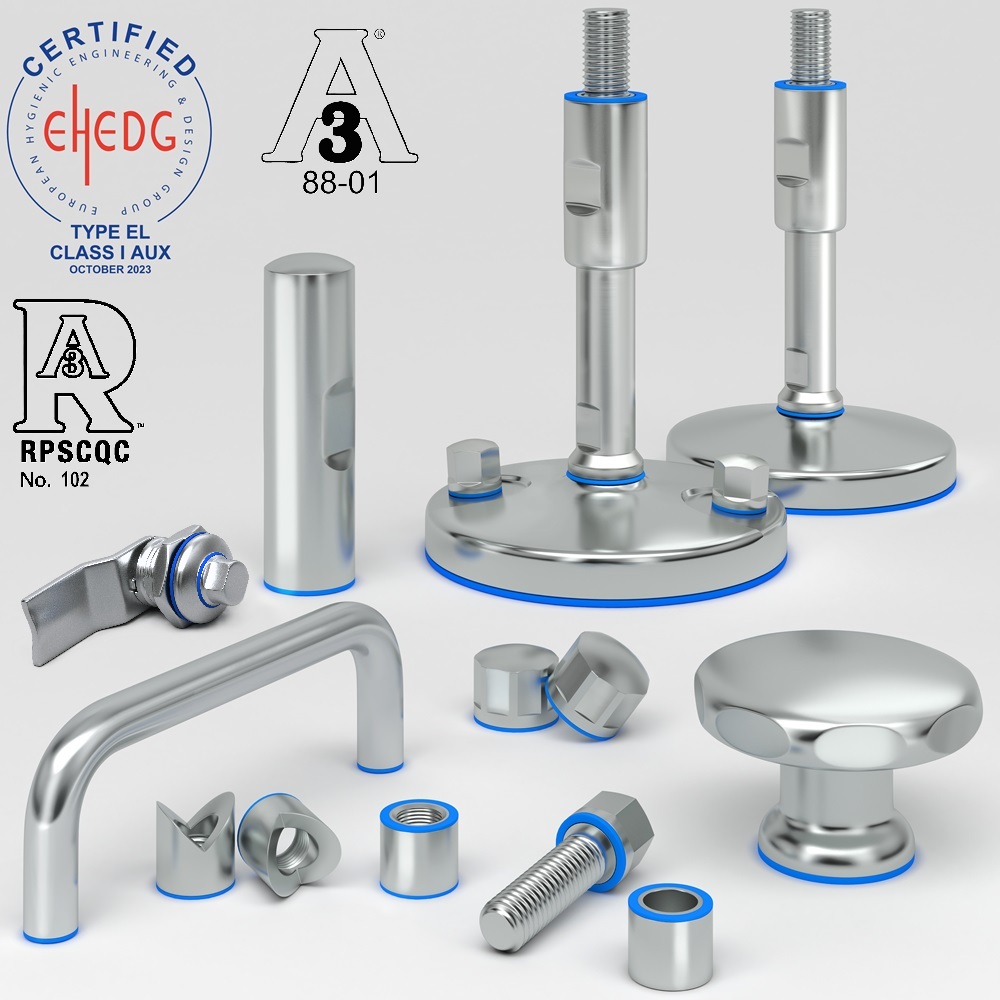
Gıda işleme endüstrisi ve ambalaj makineleri, uluslararası koruma, dayanıklılık ve hijyen standartlarını karşılayan hassas imal edilmiş bileşenleri gerektirir. IP sınıflandırması, nemli, korozif veya yüksek basınçlı yıkama ortamlarında bileşenlerin uygunluğunu belirlemek için temeldir mutlak. IP67, toza karşı tam koruma ve geçici su daldırmasına karşı koruma sağlarken, IP69K endüstriyel temizleme ortamları için özel olarak tasarlanmış en yüksek koruma seviyesini temsil eder. Paslanmaz çelik malzeme seçimi, hijyenik makinelerin üretimi için kritiktir ve önemlidir. Paslanmaz çelik 440 ve 420, belirli uygulamalara uyarlanmış farklı özellikler gösterir açıkça. 440 paslanmaz çelik, kesme araçları ve yüksek aşınmaya maruz kalan parçalar için ideal olan üstün sertlik sağlar. 420 paslanmaz çelik daha iyi korozyon direnci sunar ve tercih edilir. Hassasiyetli Rulmanlar makine performansı için gereklidir ve vasıtasız. Yüksek kaliteli bileşenlere yapılan yatırım daha uzun ömür sağlar. Uluslararası standartlar modern endüstrinin artan taleplerini karşılamak için gelişmeye devam ediyor. Teknoloji ilerlemesi sektördeki yenilikleri destekler. Güvenilirlik endüstriyel başarısı belirler. Şirketler kalite bileşenlerine yatırımdan yararlanır.