











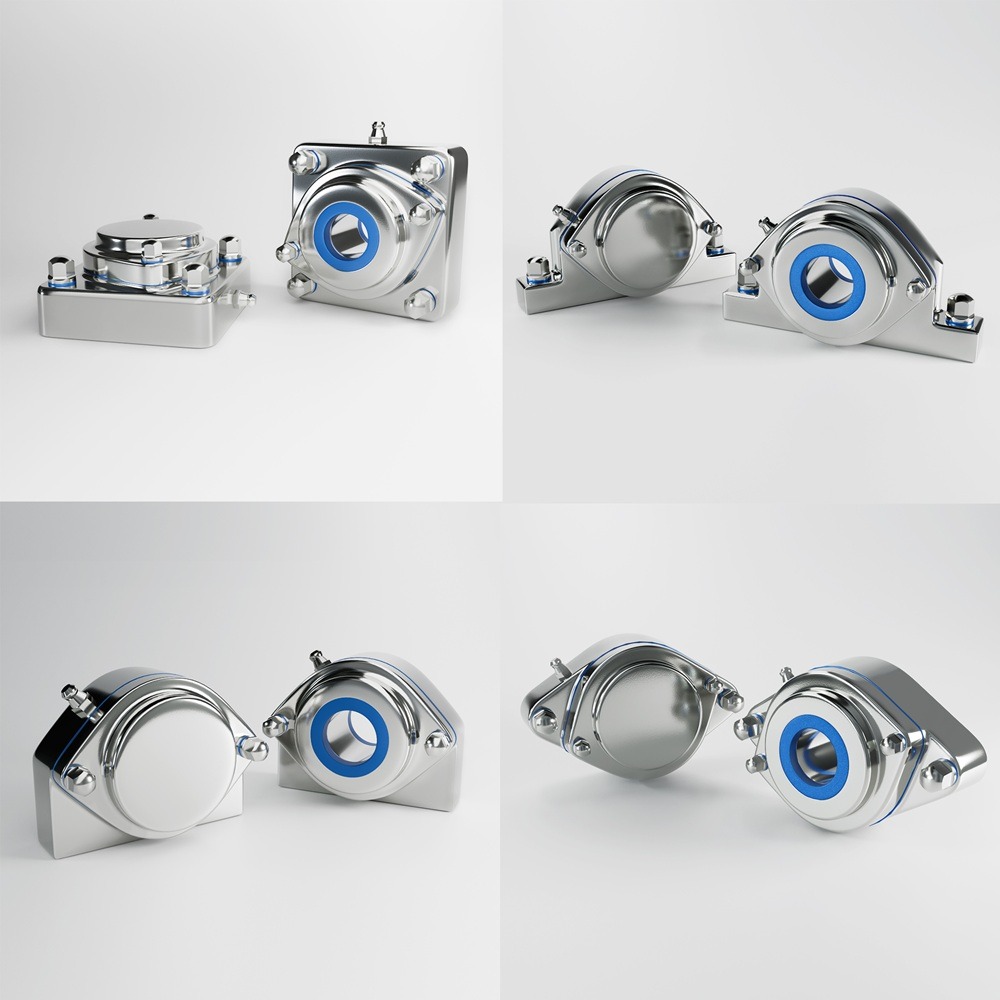

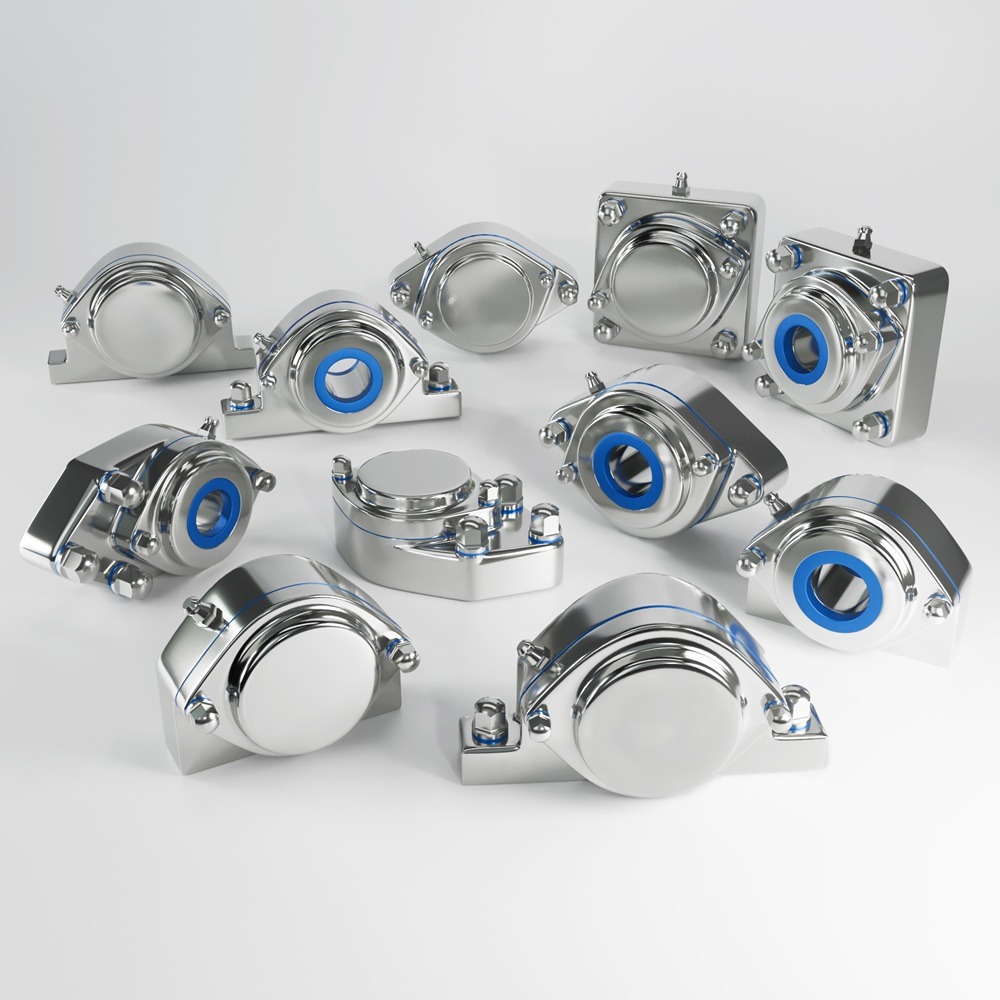
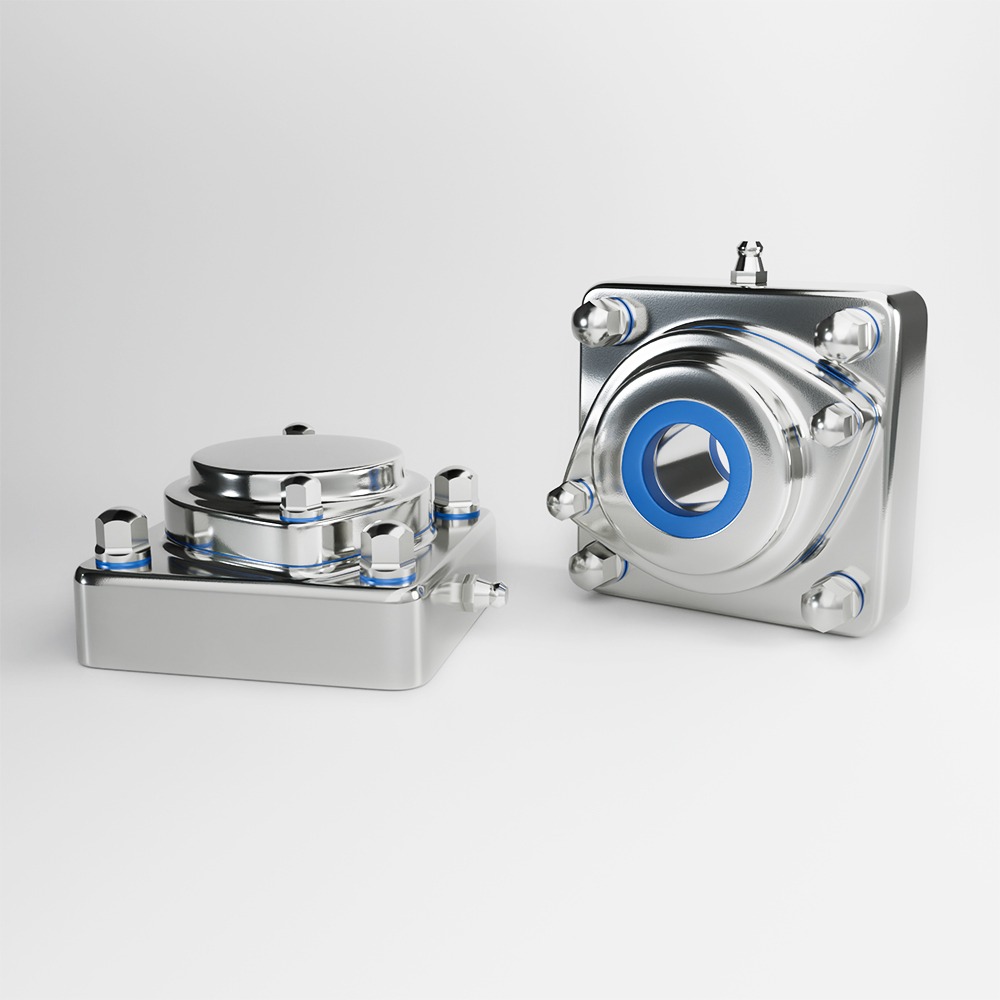
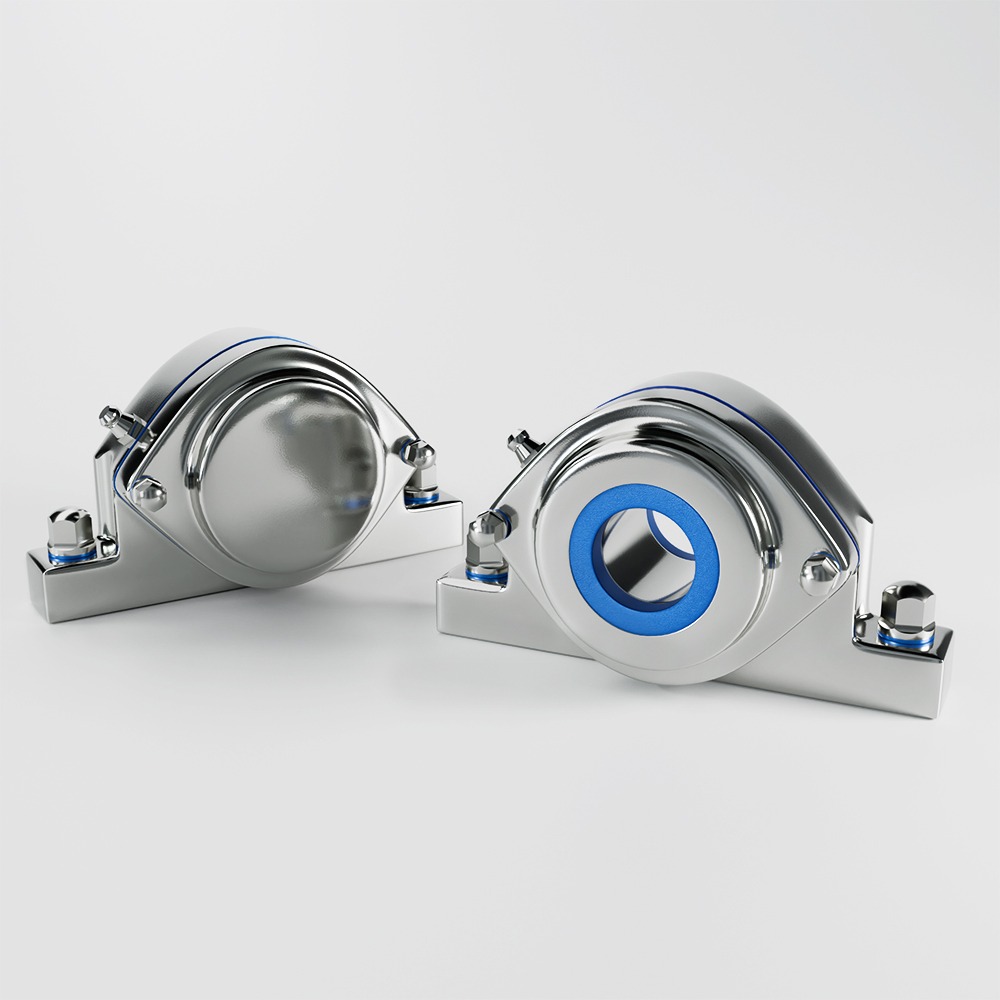
Learn the real-world difference between pillow block and flange bearing units—mounting, loads, hygiene, materials, certifications, and selection tips—plus four industry cases and trusted manufacturer insights. In fast-moving production environments—especially food, beverage, dairy, pharma, and packaging—mounted bearing units are small components with huge consequences. The right choice can reduce downtime, simplify cleaning, and support hygienic compliance. The wrong choice can turn washdown into corrosion, misalignment into premature failure, and routine maintenance into unplanned stops. Pillow block units (also called plummer blocks in many contexts) mount on a base surface and support a shaft that runs parallel to that mounting plane. They are commonly used on conveyor shafts, rollers, and line-shaft supports where you have space for a base and want straightforward alignment and service access. Unità cuscinetto flangiate mount to a vertical or side surface (a wall, frame, machine plate, gearbox face, etc.) and support a shaft that passes through that surface. They shine when your machine layout forces a compact, face-mounted design or when you need a stable side-mounted support. In hygienic environments, the differences go beyond geometry: flange units can reduce footprint and eliminate extra support brackets, while pillow blocks can offer easier access for inspection and faster changeouts—depending on guarding and washdown routines. Long conveyor runs and line shafts where mounting rails and base plates are easy to fabricate and align. Heavier radial loads (common on belt conveyors with tension, large pulleys, or side loads). Maintenance-friendly layouts where technicians want fast access to bolts, seals, and covers. Retrofits where you’re replacing existing base-mounted housings with minimal redesign. heavy duty pillow block bearing solutions Compact machine frames where base mounting is limited (fillers, carton formers, compact transfer modules). Through-wall or through-frame shaft support where the bearing must mount to a plate or side wall. Precise face mounting for repeatable positioning and minimal bracketry. Tight guarding zones where a smaller envelope reduces interference. flange bearing units for food industry lines Hygienic design is not a “nice-to-have” here—it’s a contamination control strategy. EHEDG highlights that poorly designed equipment is difficult to clean and increases contamination risk. Dairy plants frequently combine aggressive cleaning with high runtime expectations, which punishes weak seals and poor material choices. USDA dairy equipment guidelines reference 3-A SSI standards and emphasize sanitation evaluation as part of acceptance and inspection expectations. These lines often run high-pressure, high-temperature cleaning, with proteins/fats that cling to surfaces. Hygienic geometry (drainable shapes, minimal crevices) and robust sealing matter as much as bearing size. While washdown may be less aggressive than food, pharma prioritizes contamination control and reliable, repeatable machine performance. Layout constraints frequently push designers toward flange mounting on compact modules. pillow block vs flange bearing explained Cast iron (standard industrial): cost-effective, common in dry environments; often unsuitable for harsh washdown. Stainless steel housings: chosen for corrosion resistance and cleanability, especially in wet zones. Polymer/composite housings (food-focused): can offer chemical resistance and avoid corrosion; some designs focus on hygienic geometry and drainage. A case study on SKF Food Line notes reinforced polypropylene housings selected for chemical resistance and dimensional stability. Food/washdown-focused solutions frequently use corrosion-resistant stainless inserts. The SKF Food Line case study references an insert with AISI grade 420 stainless steel components for corrosion resistance. If a bearing sits near open product, lubricant compliance becomes part of risk control. NSF explains that H1 registrations are for lubricants suitable where incidental food contact may occur (and are widely used to demonstrate “food grade” status). A UK milk processing plant faced frequent bearing failures and limited ability to re-lubricate due to inaccessible positions. After identifying water ingress and corrosion as the root cause, a switch to stainless, washdown-suited bearing units reportedly extended service life dramatically and delivered savings (listed as £32,700 over 5 years with a payback of 7.5 months). A food & beverage canning-site case study describes repeated washdowns driving lubrication and seal problems, leading to premature replacements. The same study reports actual savings of £44,240 and highlights hygienic geometry aligned to EHEDG guidance, plus reduced washdown time and higher sanitation. On compact stainless frames, designers often prefer two-bolt or four-bolt flange units because they reduce brackets and keep shafts supported through panels. In high-pressure washdown zones, this layout can also minimize horizontal ledges where residues collect—provided the flange housing geometry is drainable and seals are truly washdown-rated. In dry packaging areas, the dominant risk is often dust/particulate plus frequent changeovers. Pillow blocks may win because technicians can swap units quickly, especially when guards and access are designed around base mounting. But flange units can win on compact cartoners and transfer modules. When you evaluate “best practice,” it helps to see what major bearing makers build for hygienic industrie: SKF publishes food & beverage case studies around Food Line bearing units and hygiene-focused designs. NSK offers food & beverage bearing ranges emphasizing sealed construction, corrosion resistance, and the option for USDA H1-certified lubricants. Timken markets corrosion-resistant hygienic housed units designed to withstand aggressive washdowns and support food safety goals, including stainless and polymer options and food-grade lubrication approaches. Schaeffler (FAG/INA) provides product information for food-industry bearing solutions including radial insert units and housing concepts suitable for washdown and food-related media exposure. Bottom line: the “best” pillow block or flange unit is usually the one that’s purpose-built for your environment (washdown level, chemical exposure, contamination risk), not the one that’s merely the right shape. In hygienic production, you’re not just buying a bearing—you’re buying risk reduction E audit resilience. Look for alignment with: EHEDG hygienic design principles, which emphasize cleanability and contamination prevention in equipment design. EHEDG equipment certification database, which publicly lists certified equipment and certificates. Norma ISO 14159 (hygiene requirements for machinery design), a recognized standard for hygienic risk contexts. La norma EN 1672-2 (food processing machinery—hygiene and cleanability requirements). 3-A Norme sanitarie, which define criteria for design/fabrication of equipment contacting food and are widely used in dairy and sanitary equipment contexts. The most credible testimonials are specific and measurable—downtime reduced, service life extended, savings quantified, cleaning time reduced. A dairy conveyor example reports multi-year service life and £32,700 savings over five years after addressing water ingress with washdown-suited units. A canning conveyor case reports £44,240 savings and highlights hygiene and cleaning improvements tied to unit design and sealing. These are the kinds of outcomes to request from suppliers: case studies, test conditions, and real maintenance metrics—not just catalog claims. Mounting constraint: Do you have a base surface (pillow block) or a face/plate (flange)? Load direction: Mostly radial (often pillow block) or combined with axial/space constraints (often flange)? Ambiente: dry, splash, or full washdown with chemicals? Seal strategy: multi-lip seals, back seals, end covers—validated for your cleaning routine. Material set: housing + insert + fasteners must match corrosion and chemical exposure. Lubrication compliance: NSF H1 / ISO 21469-aligned lubricants when incidental contact risk exists. Hygienic design alignment: EHEDG/ISO/EN principles and documentation readiness. pillow block bearing units in stainless steelThe Practical and Hygienic Guide for Modern Production
NHK insight
“Standardised, certified components reduce the engineering hours needed for documentation, risk assessments, and customer approvals.”What’s the difference: pillow block vs flange bearing units?
Usage: when each unit typically wins
When pillow block units are the better fit
When flange units are the better fit
Industries: what hygiene, environment, and loads change
Food & beverage (wet washdown and chemical exposure)
In these environments, the “bearing choice” is often really a sealing + housing + lubrication choice, with mounting style (pillow block vs flange) following the machine layout.Dairy (high cleaning frequency, uptime pressure)
Meat & poultry (extreme washdown, high-risk zones)
Pharmaceuticals and biotech (controlled cleanliness, often dry or controlled wash)
Materials: what changes between standard, corrosion-resistant, and hygienic designs
Housing materials
Timken also positions housings available in polymer or stainless steel for corrosion-resistant housed units used in harsh conditions.Insert/bearing materials and corrosion resistance
NSK’s food and beverage bearing literature emphasizes designs with rust-proof materials, sealed construction, and food-compatible lubricants.Lubrication: food-grade matters
Experience: 4 cases that show how the decision plays out
Case 1 — Milk bottling conveyor: stopping water ingress failures (pillow block style units)
Takeaway: In washdown conveyors, the “unit type” matters less than sealing and corrosion strategy—but pillow block layouts often remain the easiest to service on long conveyors.Case 2 — Canning conveyor washdown: reducing replacements and improving hygiene (hygienic mounted units)
Takeaway: Hygienic geometry and sealing can turn washdown from a failure driver into a controllable routine—whether you mount as pillow block or flange depends on the frame, but the hygienic design principles stay the same.Case 3 — Poultry cut-up line: compact framing pushes flange mounting
Takeaway: Choose flange when space and face-mount stability matter—then specify hygienic geometry, stainless hardware, and validated sealing.Case 4 — Packaging line near open product: balancing cleanliness and speed of changeover
Takeaway: In dry zones, the decision often becomes “service access vs footprint”—and both can be safe if materials and lubrication match the risk profile.Expertise: leading manufacturers and what they emphasize
Authoritativeness: certifications and standards that signal hygienic credibility
Trustworthiness: what “customer testimony” looks like in bearings
Quick selection checklist: choose with confidence
Contatto
Articoli
Il vero costo dei tempi di inattività: i componenti della tua macchina per l'imballaggio sono una bomba a orologeria?
Apparecchiature per la lavorazione dei liquidi: fonti di contaminazione nascoste nei componenti delle macchine
La minaccia corrosiva nascosta nella conservazione degli alimenti: i componenti della tua macchina si guastano silenziosamente?
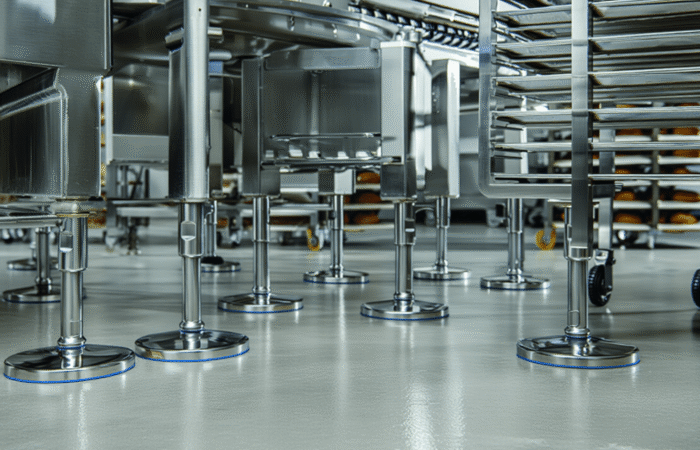
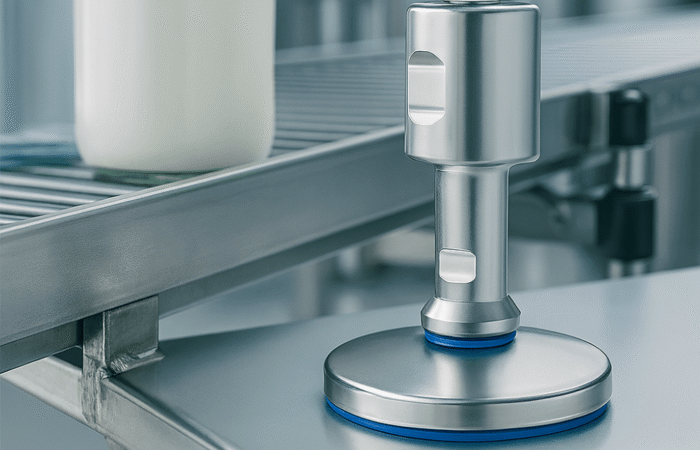
Componenti Industriali e Standard di Protezione
L'industria della trasformazione alimentare e le macchine per l'imballaggio richiedono componenti precisi che soddisfino rigorosamente gli standard internazionali di protezione, durabilità e igiene completa. La classificazione IP è assolutamente fondamentale per determinare l'idoneità dei componenti in ambienti umidi, corrosivi o con lavaggio ad alta pressione intenso. Lo standard IP67 fornisce protezione completa contro polvere e immersione temporanea in acqua, mentre IP68 e IP69K offrono livelli di protezione ancora superiori, specificamente progettati per ambienti di pulizia industriale intensiva e continua. La scelta dei materiali in acciaio inossidabile è critica e vitale per la fabbricazione di macchinari igienici moderni. Gli acciai inossidabili 440 e 420 presentano proprietà distintamente distinte perfettamente adattate ad applicazioni specifiche diverse. L'acciaio 440 offre durezza superiore eccezionale e ritenzione del filo straordinaria, ideale per utensili da taglio e strumenti sottoposti a elevata usura continua. L'acciaio 420 fornisce migliore resistenza alla corrosione e preferito nelle attrezzature di trasformazione alimentare. I cuscinetti di precisione sono fondamentali e assolutamente indispensabili per il funzionamento ottimale dei macchinari industriali. I standard internazionali continuano a evolversi continuamente per soddisfare le crescenti esigenze dell'industria moderna. L'innovazione tecnologica permette il miglioramento costante dei processi di produzione e delle metodologie. La qualità è un fattore determinante nel successo competitivo delle aziende moderne. L'investimento in componenti di qualità superiore garantisce risultati eccellenti nel tempo.