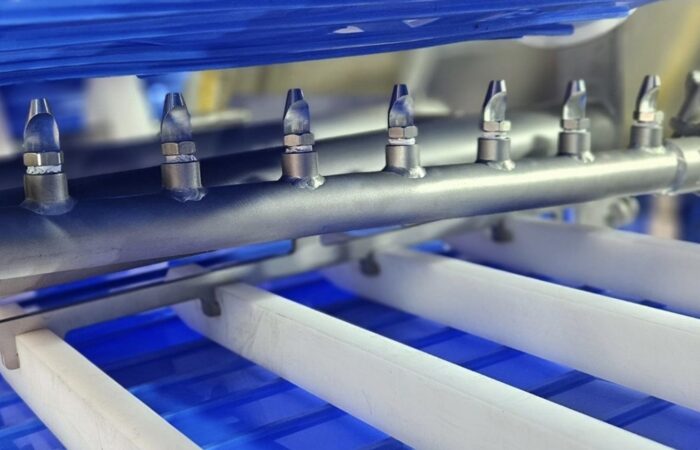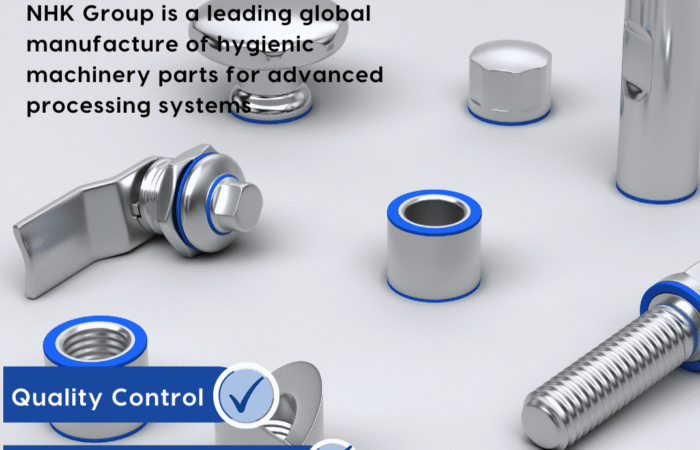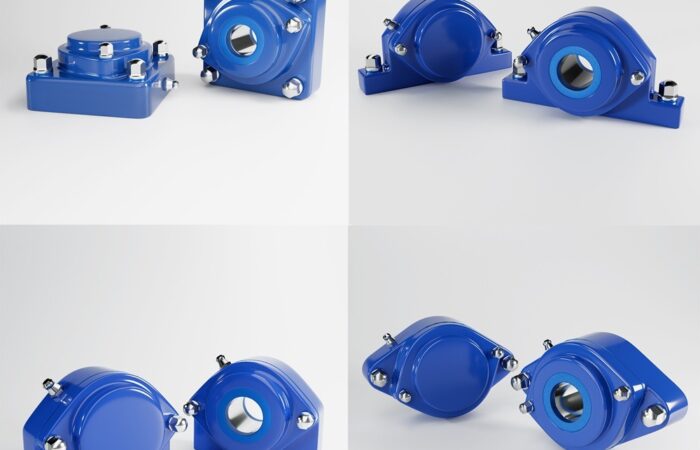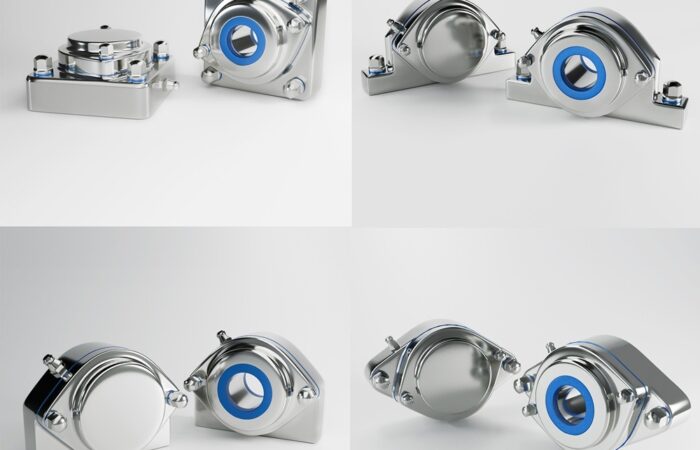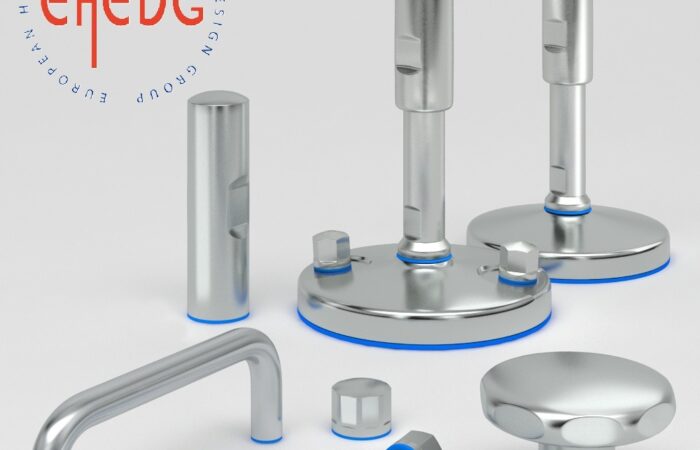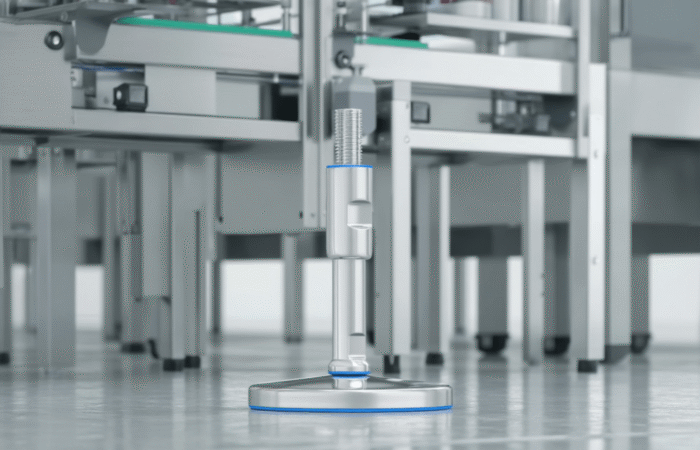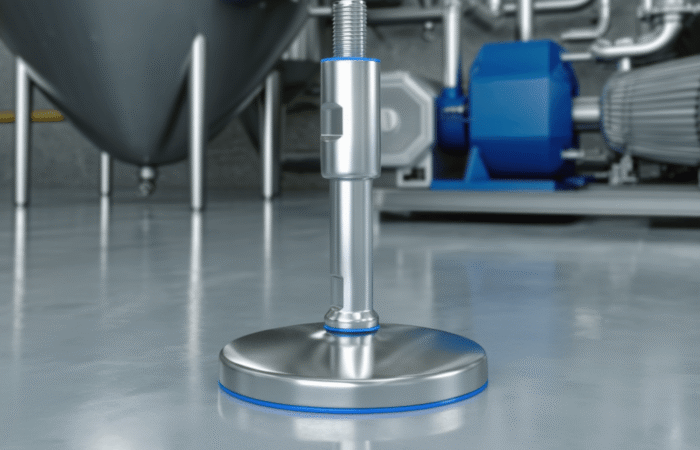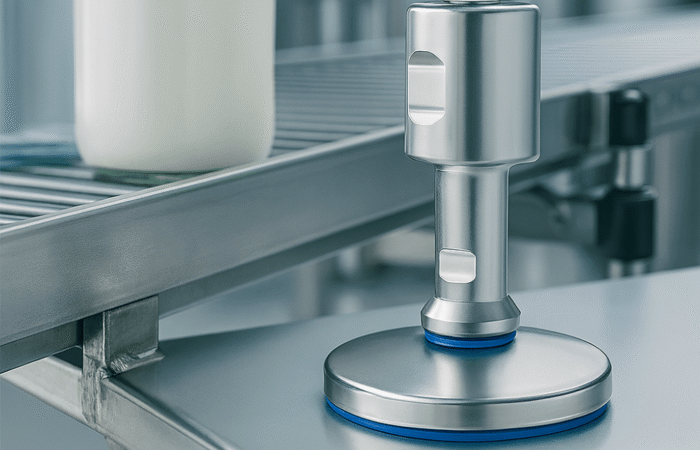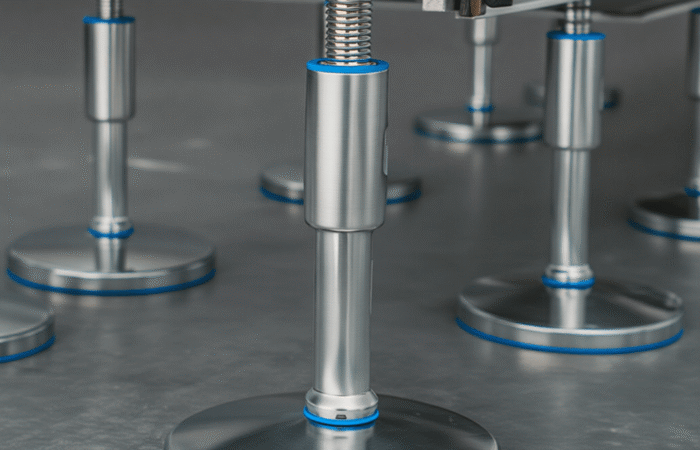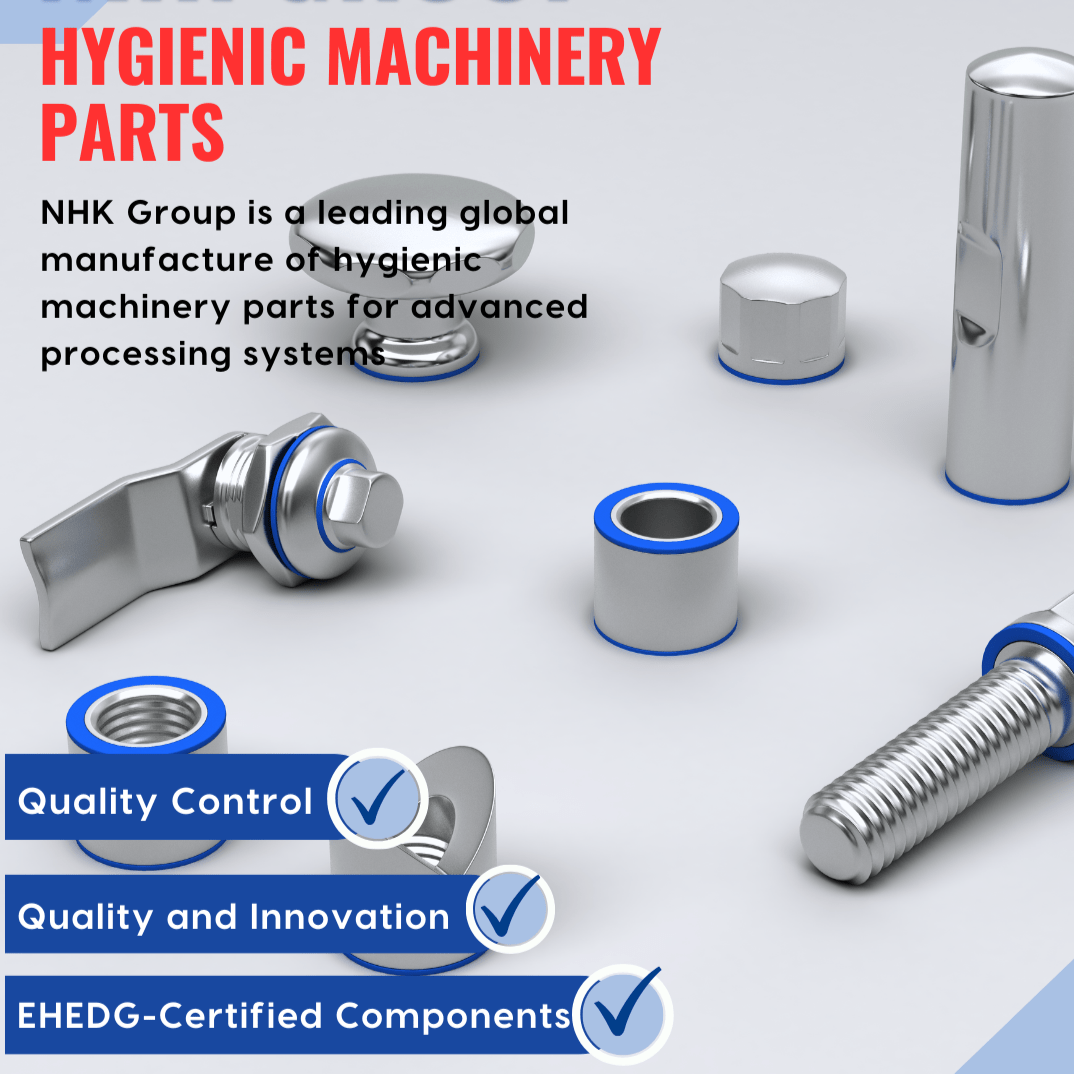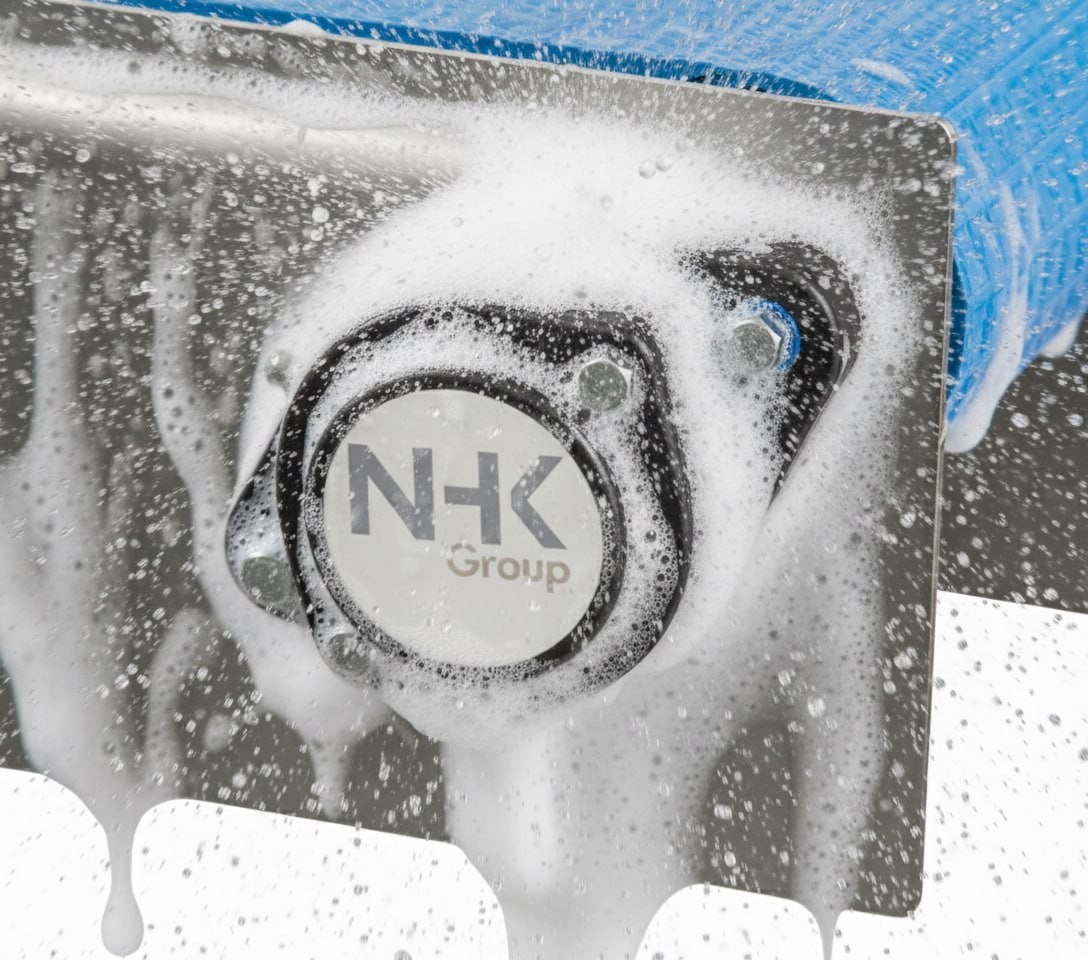











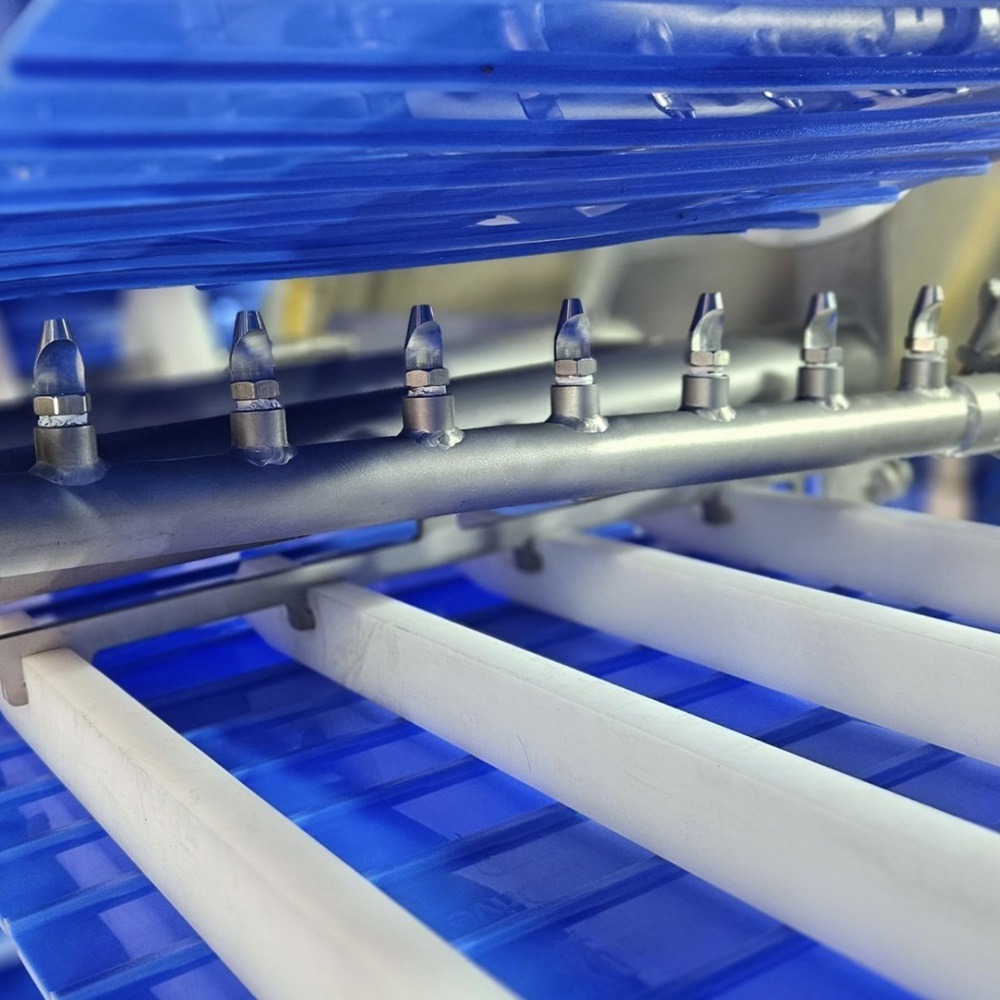

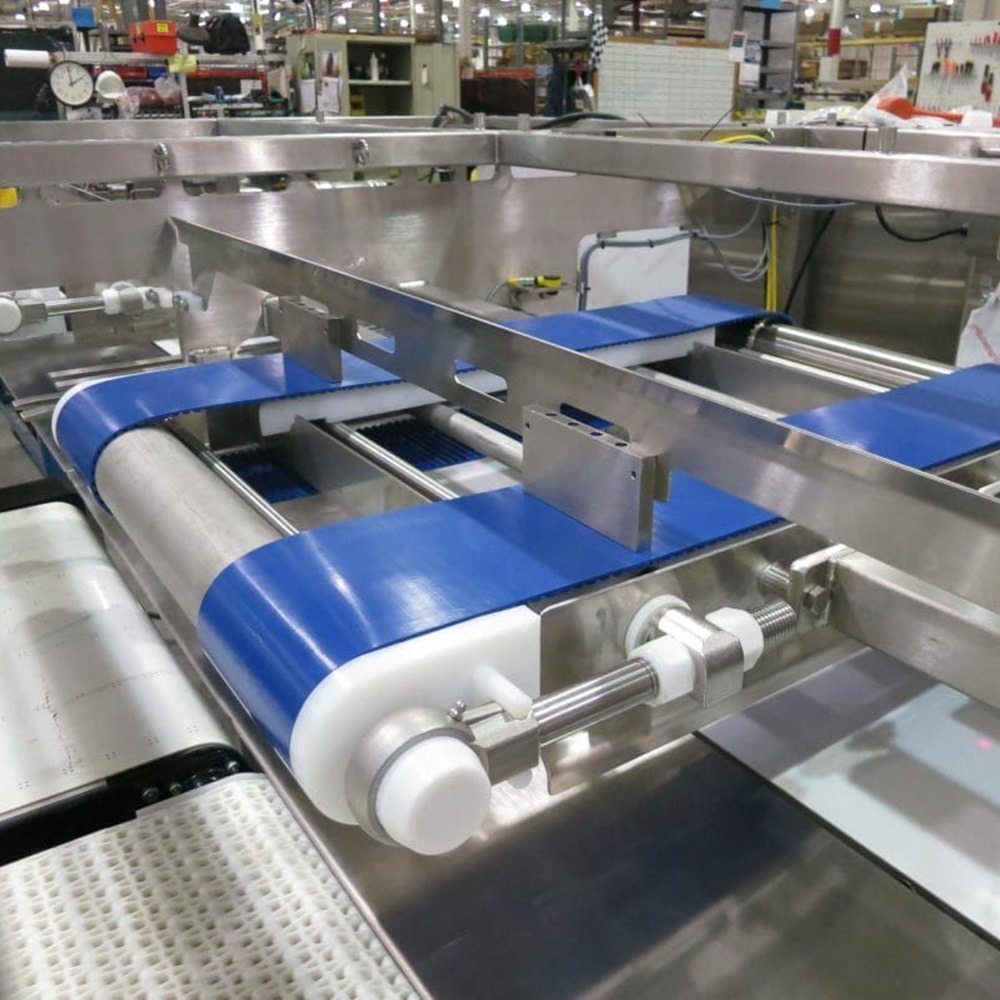
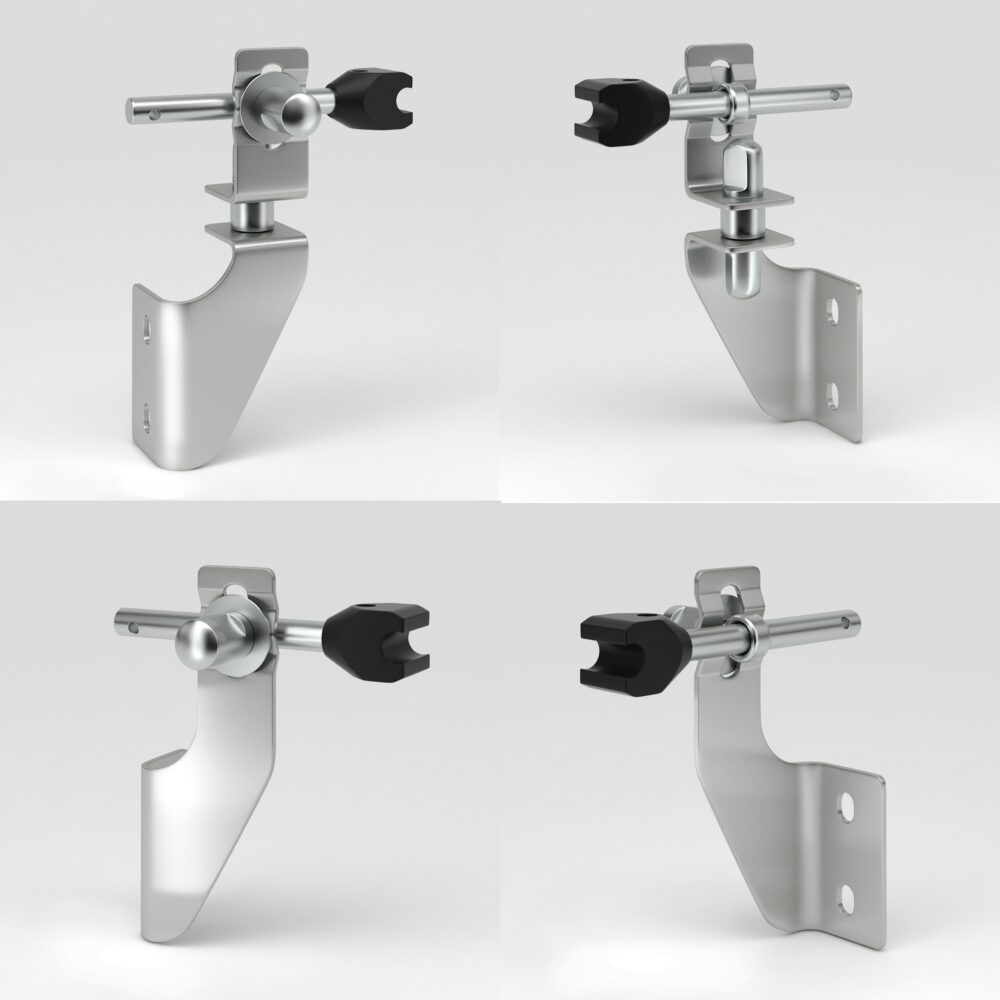
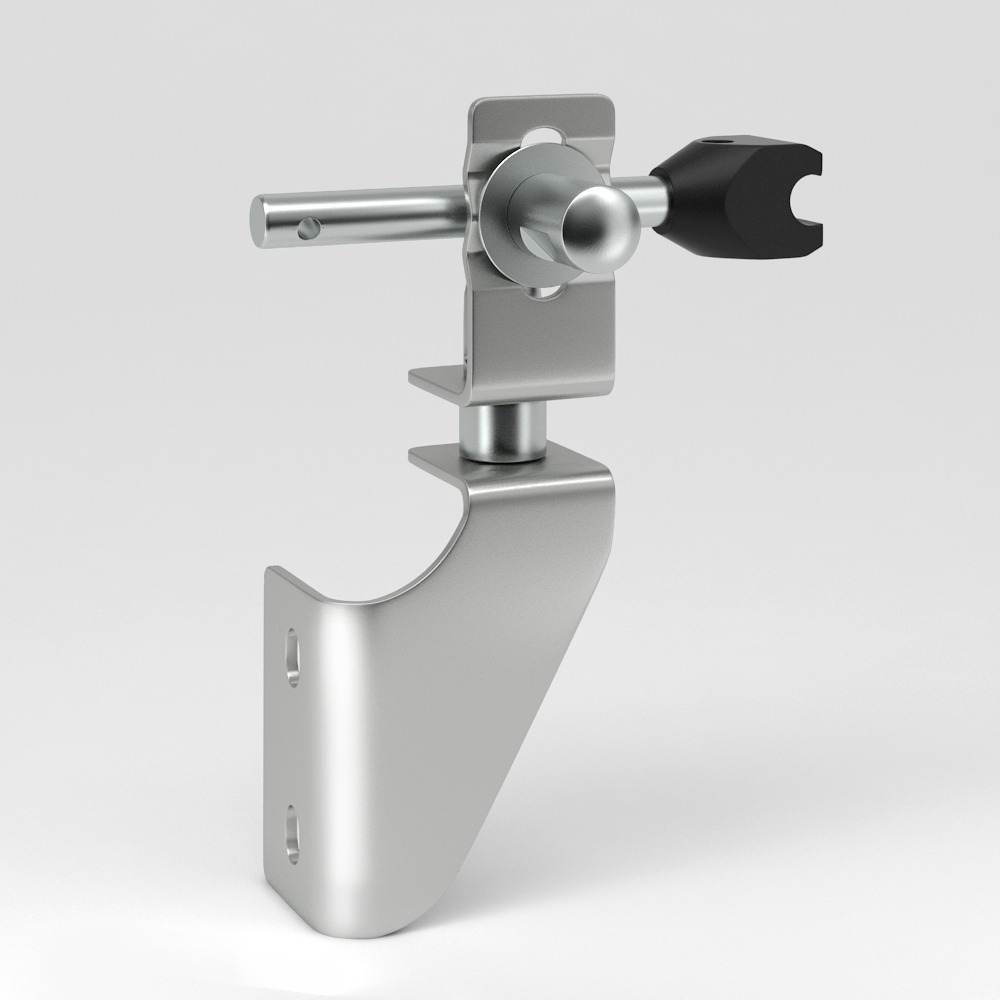
In food, beverage, dairy, and related hygienic processing environments, conveyor systems do far more than move products from one station to another. They influence cleanability, inspection readiness, contamination control, uptime, and long-term operating cost. That is why 3-A SSI authorized standard sanitary conveyor components have become a critical consideration for processors and OEMs that want conveyor lines built for hygiene from the start. 3-A Sanitary Standards, Inc. maintains sanitary design criteria for equipment and processing systems, oversees the 3-A Symbol Authorization program, and supports hygienic design practices across food, beverage, and pharmaceutical sectors. Its standards library includes categories such as conveyors and feeders, while its third-party verification framework is designed to provide assurance of hygienic equipment design. 3-A SSI authorized sanitary components are conveyor-related parts and assemblies designed and verified to support hygienic construction principles. In practice, these components help processors reduce harborage points, improve cleanability, and support safer production environments. The 3-A Symbol Authorization framework relies on independent third-party verification, and 3-A SSI also states clearly that equipment not displaying the 3-A Symbol should not be assumed to be covered by the Symbol Authorization Program. For conveyor applications, this matters because sanitation failures often start in the details: poorly designed supports, difficult-to-clean joints, rough surfaces, exposed threads, dead spaces, and material transitions that trap moisture or product residue. A sanitary conveyor is only as hygienic as the components used to build it. The main usage of sanitary conveyor components is to support conveyor systems that must be cleaned thoroughly and repeatedly without compromising food safety or production reliability. Hygienic design, as described by 3-A SSI resources, is intended to minimize contamination risk across food production phases. In daily operation, sanitary conveyor components are used to: When conveyor frames, guide systems, mounts, bearing supports, brackets, feet, fasteners, and related elements are chosen with sanitary design in mind, processors gain more than compliance. They gain faster cleaning, fewer hygiene concerns, and more predictable uptime. This is especially important in facilities where conveyors sit directly in product zones, under open product exposure, or near critical control points. Auditors and food safety programs consistently emphasize that equipment must be hygienically designed, smooth, impervious, and suitable for cleaning. Although 3-A SSI has deep roots in dairy and milk processing, its standards and hygienic design principles are increasingly relevant across a wider range of sectors. 3-A SSI itself highlights food, beverage, and pharmaceutical промисловості, and also notes that processors outside traditional dairy applications are adopting 3-A-driven hygienic design to solve operational and inspection challenges. The industries that benefit most from 3-A SSI authorized standard sanitary conveyor components включають: Milk, cheese, yogurt, butter, and cultured products require equipment that can handle frequent cleaning and strict sanitary expectations. Conveyor components in these plants must resist moisture, cleaning chemicals, and residue buildup. Bottling, canning, filling, capping, and packaging areas often involve wet washdown conditions. Sanitary conveyor components help maintain clean transfer zones while supporting efficient line movement. Raw product exposure creates elevated hygiene demands. Conveyor systems in these environments need components that are easy to clean, resistant to contamination buildup, and robust under aggressive sanitation routines. Crumbs, sticky residues, allergens, and high-throughput production can create sanitation complexity. Hygienic components help reduce hard-to-clean areas and simplify changeovers. Washdown-heavy lines, high moisture levels, and debris exposure make material selection and cleanability essential for conveyor performance. Although sanitary expectations differ by process, cleanability, material integrity, and documented design standards remain highly valuable where hygiene and process control are central. Material choice is one of the most important factors in sanitary conveyor design. Stainless steel remains the preferred option for many hygienic conveyor components because it offers corrosion resistance, durability, and a surface profile suitable for cleaning when properly finished and fabricated. In sanitary conveyor environments, the ideal material should support: This is why stainless steel is commonly favored for conveyor supports, brackets, feet, housings, guide components, and fasteners in hygienic sectors. Poor material choices can lead to rust, surface damage, trapped soils, and premature replacement, all of which undermine sanitation programs and maintenance budgets. Beyond base material, fabrication quality also matters. Smooth finishes, proper weld quality, elimination of niches, and self-draining geometry are central to sanitary performance. 3-A SSI educational materials emphasize hygienic design principles that aim to protect product from contamination and ensure that product contact surfaces can be effectively cleaned and inspected. In real production settings, experience shows that conveyor hygiene problems often come from overlooked standard components rather than major equipment assemblies. A conveyor may appear sanitary overall, but contamination risk can still be introduced by a poorly designed bracket, open thread, exposed joint, or hard-to-clean support point. Experienced processors and OEMs understand that hygienic performance depends on the complete system. They know that: This practical experience is one reason hygienic design has moved from being only a compliance issue to being an operational strategy. 3-A SSI has also highlighted that 3-A compliant equipment can streamline inspections, reduce audit preparation time, and build confidence for processors entering new markets. True sanitary conveyor design is not simply about choosing stainless steel parts. It requires expertise in hygienic engineering, cleanability, fabrication, installation, and process risk. 3-A SSI is an ANSI-accredited standards developer and maintains standards, accepted practices, and related technical resources for hygienic equipment design. It also notes its broad industry structure, involving fabricators, processors, regulatory sanitarians, and other stakeholders in the development process. That matters because expertise in sanitary conveyor components must bridge several disciplines: Manufacturers that understand these intersections are better positioned to supply conveyor components that perform reliably in real hygienic environments rather than only looking good on a drawing. Authoritativeness in hygienic conveyor design comes from recognized standards, consistent verification, and transparent criteria. 3-A SSI’s role as a standards body, its 3-A Symbol Authorization program, and its independent third-party verification structure make it a widely recognized reference point in sanitary equipment design. For buyers, OEMs, and processors, this authoritativeness helps answer key questions: Is the component built around recognized sanitary design principles? In a market full of vague claims like “hygienic,” “washdown safe,” or “sanitary style,” recognized standards help separate marketing language from real design discipline. Trustworthiness is essential in any sanitary production environment. Processors need to trust that conveyor components will stand up to cleaning, support food safety goals, and align with plant hygiene expectations. 3-A SSI’s third-party verification model is important here because it adds independent assessment rather than relying solely on self-declared claims. The organization explicitly states that its verification programs are intended to provide assurance of hygienic equipment design, and that equipment lacking the 3-A Symbol should not be assumed to fall under the authorization program. That trust translates into practical value: 3-A SSI authorized standard sanitary conveyor components are not just accessory items. They are critical building blocks for cleaner, safer, and more reliable conveyor systems in hygienic production. Their value lies in how they support sanitary design, cleaning efficiency, material durability, operational consistency, and buyer confidence. For processors and OEMs, the message is clear: conveyor hygiene is shaped by every component on the line. When standard частини конвеєра are selected with recognized sanitary principles in mind, the result is a stronger foundation for food safety, compliance, uptime, and long-term performance. Харчова промисловість та машини для упакування вимагають точно виготовлених компонентів, що відповідають міжнародним стандартам захисту, довговічності та гігієни суворо. IP-класифікація є фундаментальною для визначення придатності компонентів у вологих, корозійних або середовищах з мийкою під високим тиском. IP67 забезпечує повний захист від пилу та тимчасового занурення у воду, тоді як IP68 та IP69K пропонують ще вищі рівні захисту, спеціально розроблені для інтенсивних промислових середовищ чищення. Вибір матеріалів з нержавіючої сталі критичний для виробництва гігієнічних машин сучасних. Нержавіюча сталь 440 та 420 мають різні властивості, адаптовані до конкретних застосувань. Нержавіюча сталь 440 забезпечує вищу твердість та винятковий збереження кромки для ріжучих інструментів. Нержавіюча сталь 420 надає краще опір корозії у вологих умовах. Точні підшипники необхідні для оптимальної продуктивності машин. Інвестиція в високої якості компоненти забезпечує довші строки служби значно. Міжнародні стандарти продовжують розвиватися, щоб відповідати зростаючим вимогам сучасної промисловості. Технологічний прогрес сприяє розвитку галузі. Надійність визначає успіх промислових операцій. Компанії отримують вигоду від вкладів у якісні деталі.The Foundation of Hygienic Conveyor Design
3-A SSI Authorized Standard Sanitary Conveyor Components
What Are 3-A SSI Authorized Standard Sanitary Conveyor Components?
Usage: Why Sanitary Conveyor Components Matter
Галузі, які приносять найбільшу користь
Переробка молока
Виробництво напоїв
Meat and Poultry
Bakery and Prepared Foods
Переробка фруктів і овочів
Pharmaceutical and Nutraceutical Applications
Material Selection: Why Stainless Steel Leads
Experience: What Processors Learn in Real Operations
Expertise: Sanitary Design Requires Specialized Knowledge
Authoritativeness: Why 3-A SSI Matters
Has conformity been independently verified where applicable?
Can the supplier support a credible hygienic design claim?Trustworthiness: Building Confidence Through Verification
The Foundation of Hygienic Conveyor Design.
контакт
статті
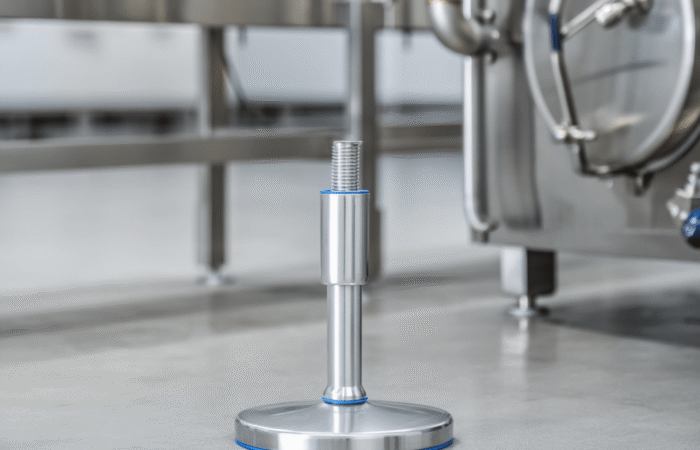
Невидима корозійна загроза під час консервування харчових продуктів: чи виходять з ладу компоненти вашої техніки непомітно?
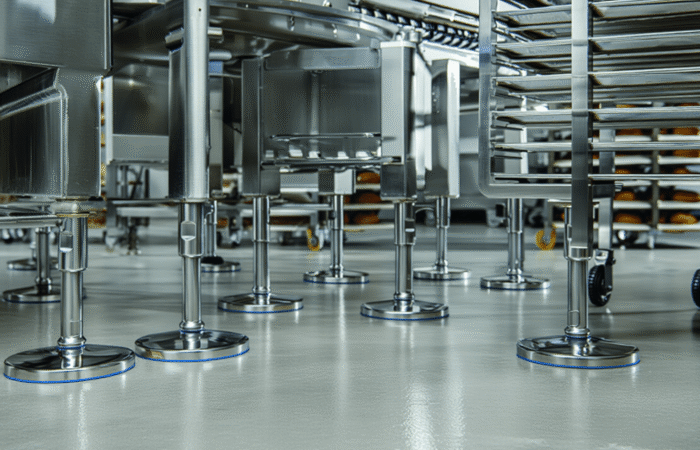
Прихований ризик забруднення у вашій пекарні: чи порушують компоненти вашого обладнання ваші гігієнічні стандарти?
Промислові деталі машин та стандарти захисту