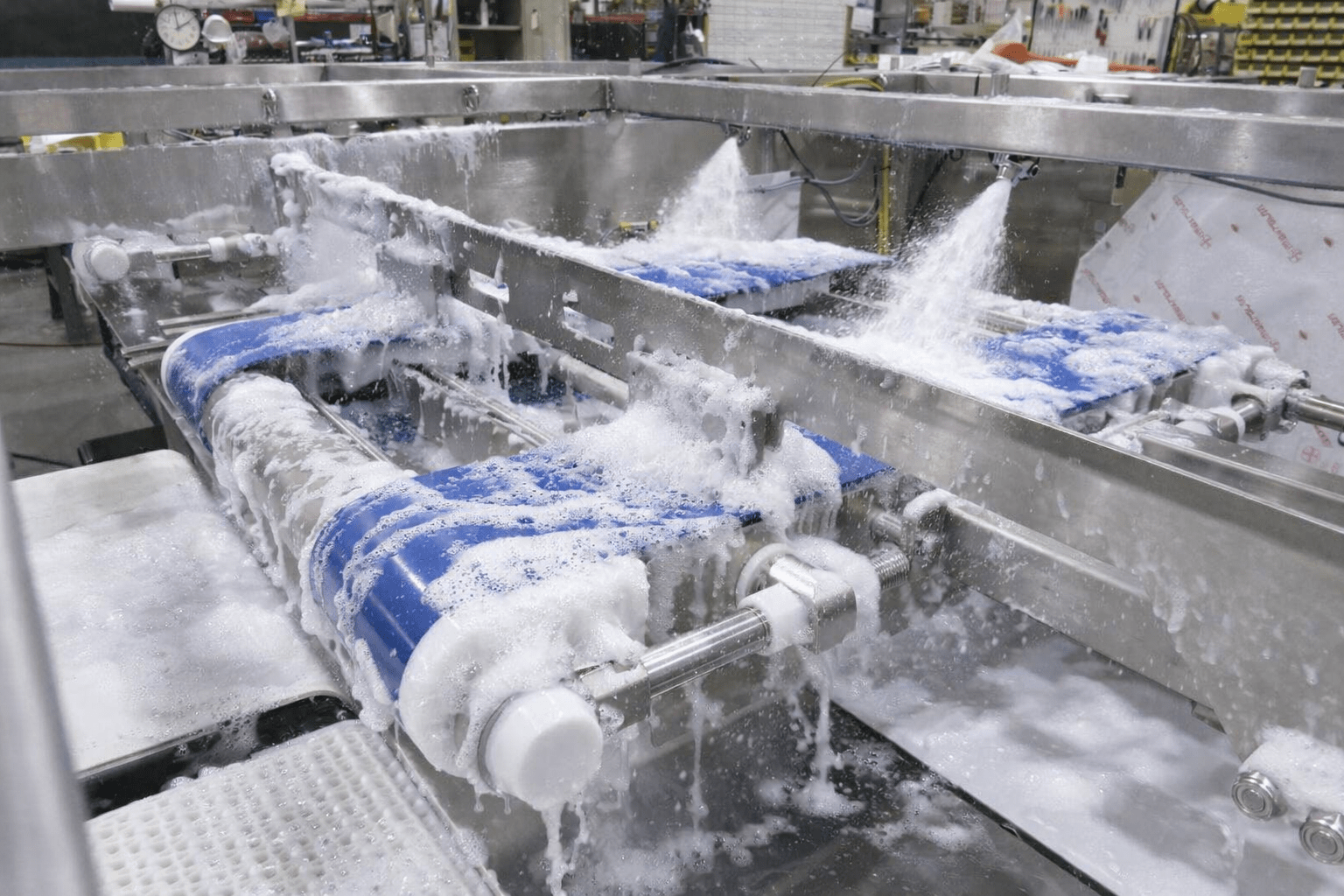












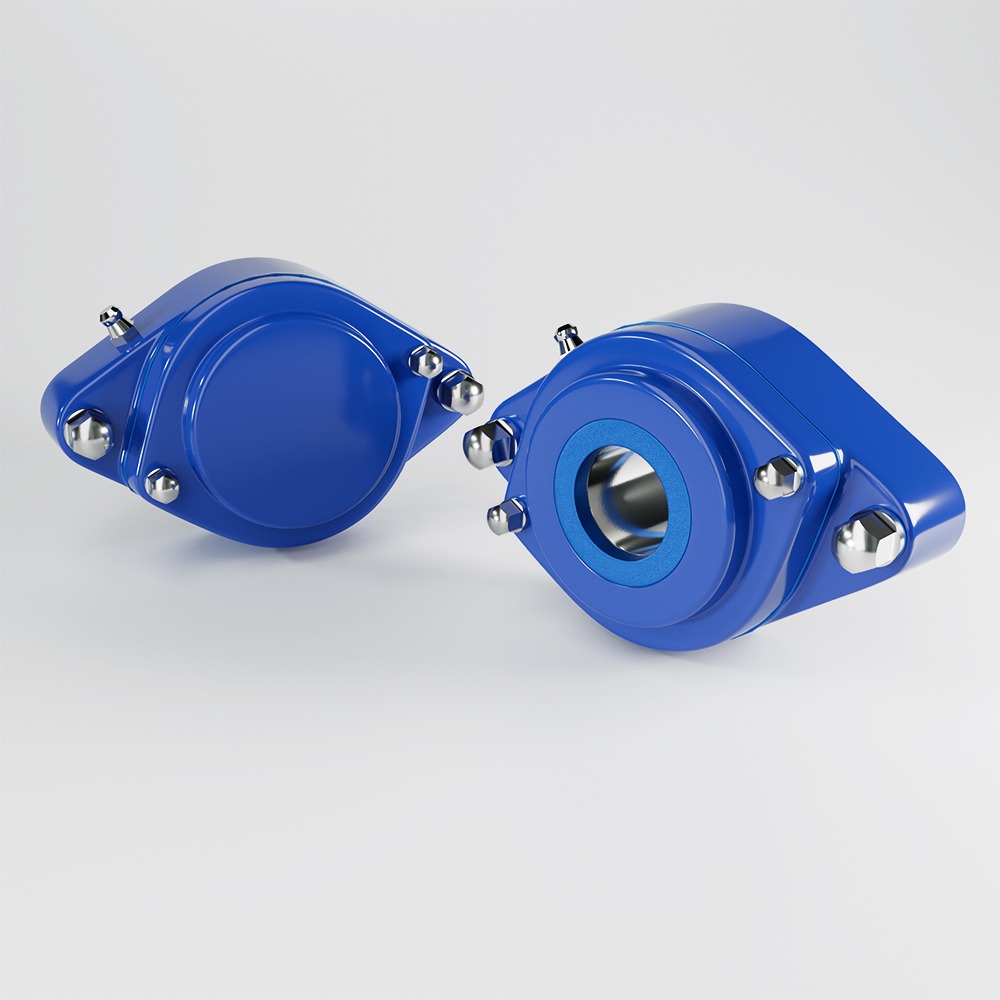

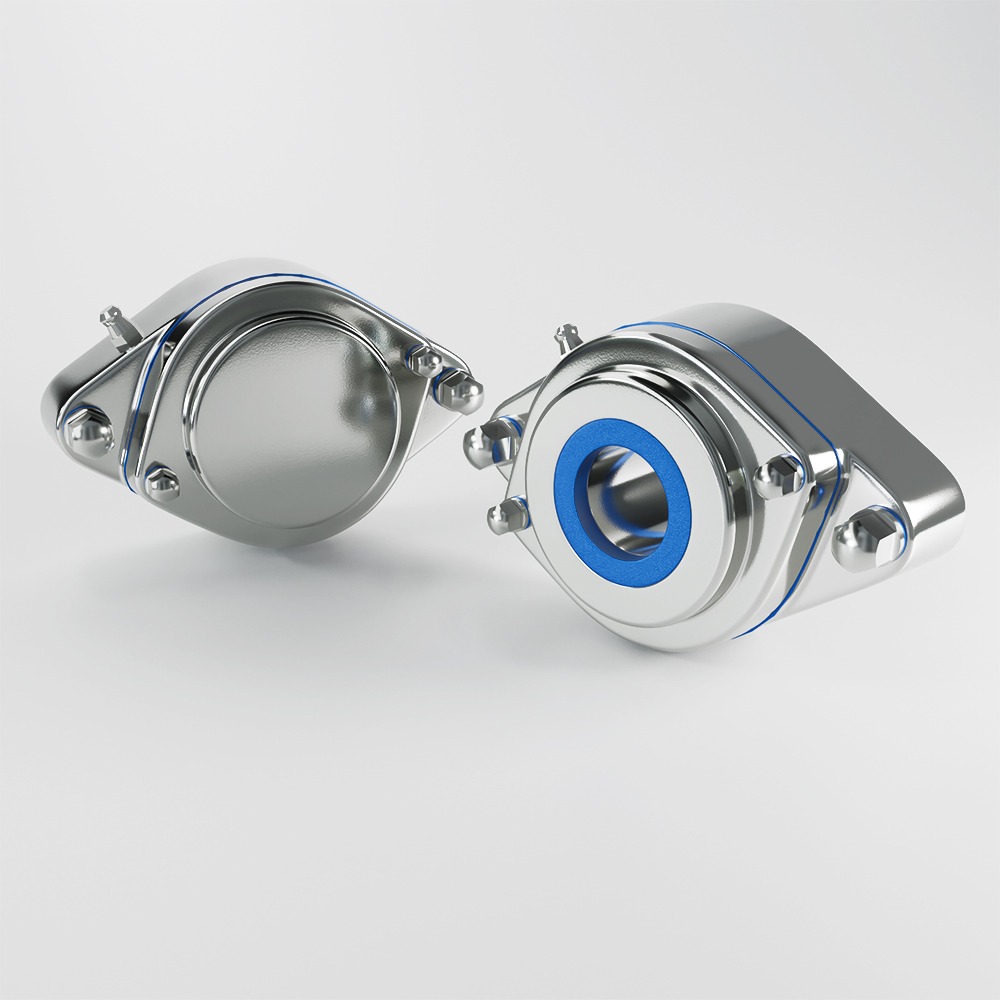
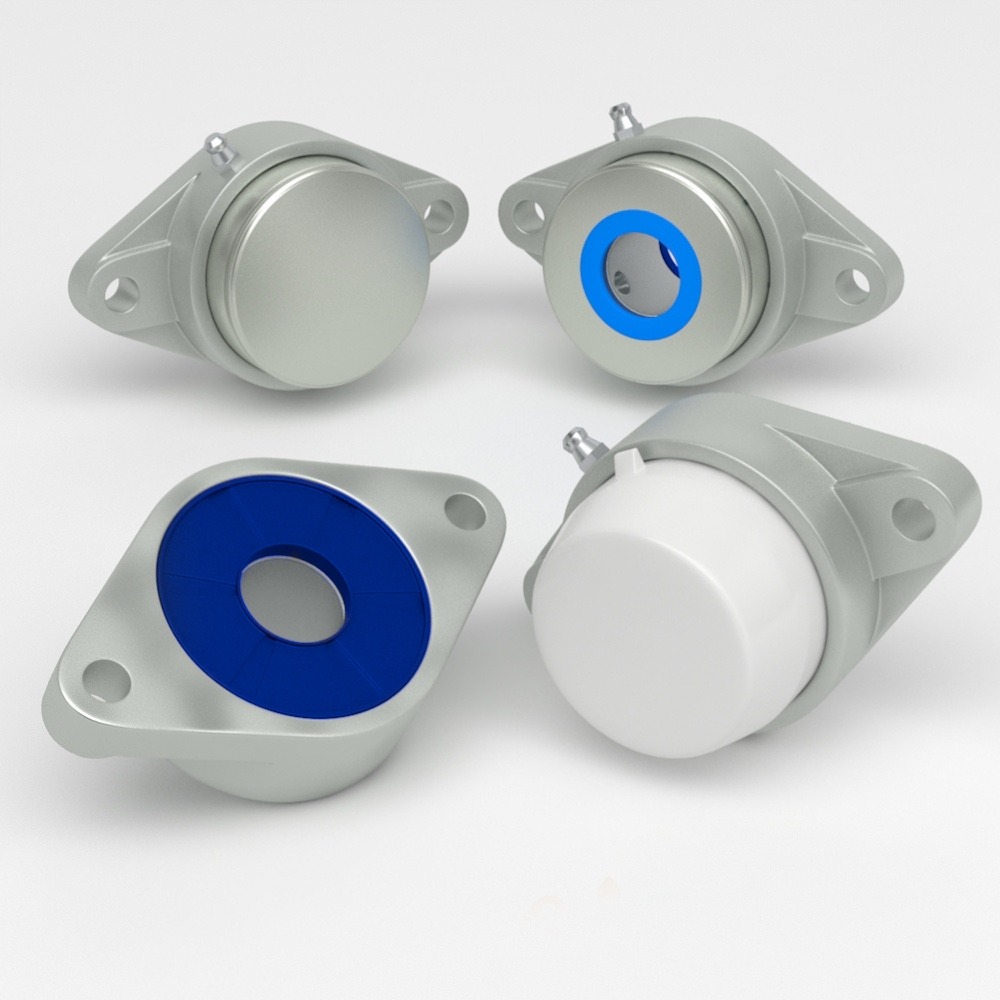
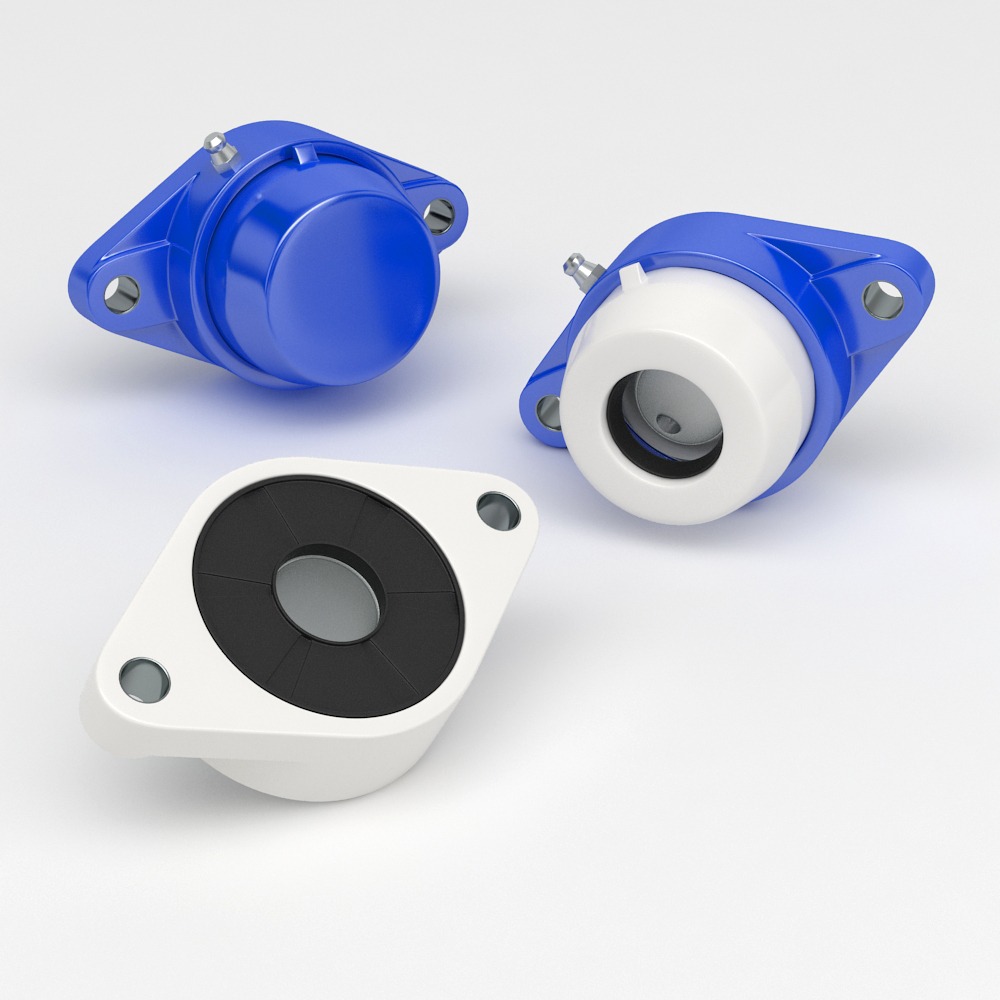
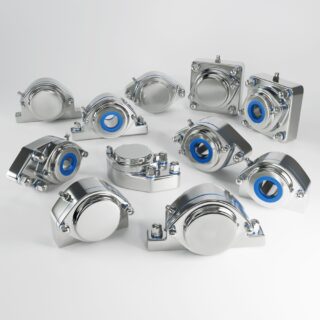
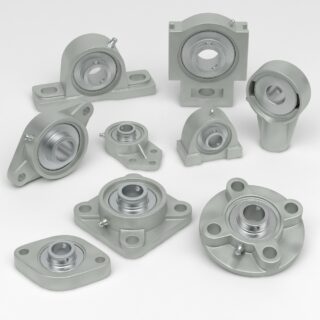
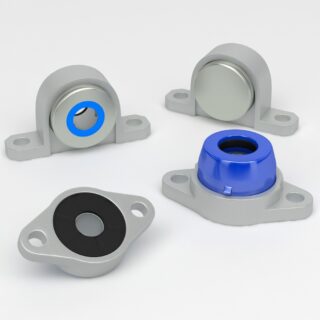
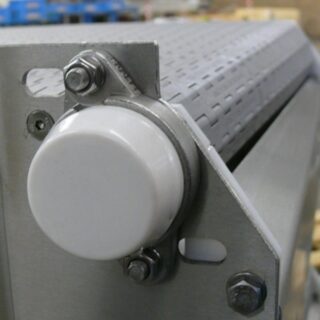
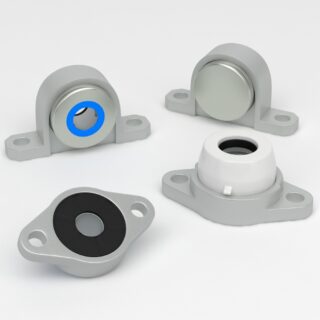
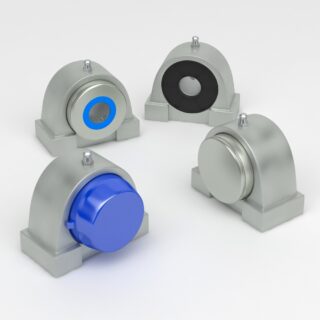
Discover what a two-bolt flange bearing is, where it’s used, how to choose the right unit, and best practices for installation, sealing, and maintenance. UN two-bolt flange bearing (often called a 2-bolt flange bearing unit O 2-bolt flanged bearing) is a mounted bearing assembly designed to support a rotating shaft while being bolted to a flat surface. The “two-bolt flange” refers to the mounting flange with two bolt holes, allowing quick, secure alignment on machine frames, side plates, conveyor structures, guards, and panels. Most two-bolt flange bearing units consist of: UN housing (flange body) with two mounting holes UN bearing insert (typically a ball bearing) UN locking method to fix the insert to the shaft (set screw, eccentric collar, or clamp style) Optional seals and covers to protect against contamination and washdown This design is popular because it offers a strong, compact mounting method while simplifying maintenance and replacement. Unità flangia ovale a 2 fori SFL in acciaio inox con coperchio | NHK Machinery Parts Two-bolt flange units are widely chosen because they combine mechanical stability con simple mounting: The two-bolt pattern makes installation straightforward on flat plates and machine sidewalls. It’s also easy to reposition during line modifications. Two-bolt flange units handle typical radial loads seen in conveyors, packaging machines, processing equipment, and rotating assemblies. When maintenance is required, many units allow the insert to be changed without redesigning the machine. From light dust protection to aggressive washdown, sealing levels can be matched to the environment. Two-bolt flange bearings are used wherever a shaft needs stable support on a vertical or angled surface, including: Trasportatori (belt, modular, roller, and hygienic conveyors) Macchine per l'imballaggio (cartoners, case packers, flow wrappers) Attrezzature per la lavorazione alimentare (washdown zones, wet areas, splashing zones) Beverage lines (filling, rinsing, capping, labeling systems) Pharmaceutical and biotech equipment (cleanable assemblies, controlled environments) Material handling and automation (guides, rollers, actuators, transfer systems) Unità cuscinetto flangia ovale a 2 fori SFL in acciaio inossidabile | NHK Machinery Parts Choosing the right housing material is critical for reliability and compliance. Ideal for hygienic and corrosion-prone environments: Washdown and chemical exposure Food, beverage, dairy, meat, seafood, ready-meals Pharmaceutical and biotech production Common in general industrial environments: Dry areas, moderate loads Lower cost, strong mechanical stiffness Often used where corrosion resistance and weight reduction matter: Wet environments Good chemical resistance (depends on polymer) Useful in many washdown applications, especially when paired with sealed inserts The insert is the heart of the unit. Best where corrosion resistance is required. Common in hygienic processing and outdoor systems. Used in dry, controlled environments. Typically lower cost, widely available. Contact seals help block water spray and fine contamination Non-contact seals reduce friction and heat but offer less protection Multi-lip seal systems provide stronger protection in wet/washdown zones If your equipment is exposed to frequent cleaning or splashing, prioritize high-quality sealing and a housing designed to reduce crevices. Two-bolt flange bearing inserts typically lock to the shaft in one of these ways: Simple and widely used Best for moderate loads and standard speeds Shaft surface quality matters for holding strength Stronger locking for vibration and reversing loads Common in conveyors and general machinery Even clamping around the shaft Good concentricity and often better for higher speeds and precision applications Popular where vibration, alignment accuracy, or hygienic cleaning routines demand reliability Use this selection checklist: Dry production area vs splash zone vs full washdown Chemicals used (alkaline/acid foams, sanitizers) Temperature range and thermal cycling Radial load (common) and any axial load present Shock loads from starts/stops or product impacts Shaft speed and duty cycle Correct bore diameter Shaft tolerance and surface finish Keyway presence (if used) If your goal is high resistance to water and contamination, choose: Robust seal system Housing design that avoids “dirt shelves” and crevices Corrosion-resistant materials Greaseable vs maintenance-free (sealed-for-life) Re-lubrication intervals and access points Replace insert only vs replace complete unit Correct installation prevents premature wear and failures. Misalignment is a top cause of bearing problems. Ensure the flange sits flat and the shaft rotates freely before final tightening. Over-tightening can distort housings or mounting plates. Under-tightening can cause movement and vibration. Follow manufacturer torque guidance for mounting bolts and locking mechanism. Set screw and collar systems must be correctly positioned. Clamp styles should be evenly tightened to specification. Keep the insert and sealing surfaces clean. In hygienic environments, use clean tools and prevent residue build-up around the housing. Increased noise or vibration Rising operating temperature Shaft play or visible misalignment Grease leakage or water ingress signs Corrosion staining on housing or insert Inspect seals and covers regularly Confirm mounting bolts remain secure Use the correct grease type (if greaseable) and avoid over-greasing Review washdown direction and spray pressure—direct high-pressure spray at seals can shorten life even on sealed units In hygiene-critical production, selection is not just about load—it’s about cleanability and risk reduction. Look for designs that support: Smooth surfaces and minimal crevices Crevice-minimized seal geometry Corrosion-resistant materials suitable for your cleaning regime Optional protective end caps (where appropriate) Documented material suitability and traceability when required A two-bolt flange unit that survives washdown but traps residue is not truly hygienic—aim for both durability and cleanability. Mini Flangia a due fori in acciaio inox SUFL | Parti di macchinari NHK Mini Flangia a due bulloni in acciaio inox SKFL | Parti di macchinari NHK UN two-bolt flange is usually more compact and easier to mount on narrow frames. A four-bolt flange can offer more mounting stability for heavier loads or larger shafts. Yes—if you select appropriate materials (often stainless or composite) and robust sealing designed for wet environments. Many bearing inserts allow a degree of self-alignment within the housing. This helps compensate for minor mounting inaccuracies, but it’s not a substitute for good installation and alignment.Two-Bolt Flange Bearing Units
A Comprehensive SEO Guide to Selection, Installation, and Hygienic Performance
NHK insight
“In many projects, the cost of one product hold easily exceeds the extra investment in properly certified components.”What Is a Two-Bolt Flange Bearing?
Why Two-Bolt Flange Bearings Are Used So Often
Fast mounting and repeatable alignment
Good radial load support
Service-friendly design
Flexible sealing options
Common Applications for Two-Bolt Flanged Bearing Units
Two-Bolt Flange Housing Materials and Why They Matter
Stainless steel housings
Cast iron housings
Not recommended for harsh washdown unless properly protected and compatible with cleaning chemicals.Composite (polymer) housings
Bearing Insert Options: Stainless vs Standard, Sealed vs Open
Stainless steel bearing inserts
Standard steel inserts
Sealing levels
Locking Methods: Set Screw, Eccentric Collar, or Clamp
Set screw locking
Eccentric collar locking
Clamp (concentric) locking
How to Choose the Right Two-Bolt Flange Bearing Unit
1) Environment and cleaning method
2) Load and speed requirements
3) Shaft size and fit
4) Sealing and ingress protection expectations
5) Maintenance strategy
Installation Best Practices for Long Bearing Life
Align before tightening
Use correct bolt torque
Confirm shaft locking method is properly engaged
Avoid contamination during assembly
Maintenance and Troubleshooting Tips
Signs your two-bolt flange bearing needs attention
Good routine practices
Hygienic Design Considerations (Food, Beverage, Pharma)
FAQ: Two-Bolt Flange Bearings
What’s the difference between a two-bolt and four-bolt flange bearing?
Can two-bolt flange bearings be used in washdown areas?
Are two-bolt flange bearings self-aligning?
Domande e contatti
Dai un'occhiata ai nostri altri articoli:
Contatto
Articoli
Il vero costo dei tempi di inattività: i componenti della tua macchina per l'imballaggio sono una bomba a orologeria?
Apparecchiature per la lavorazione dei liquidi: fonti di contaminazione nascoste nei componenti delle macchine
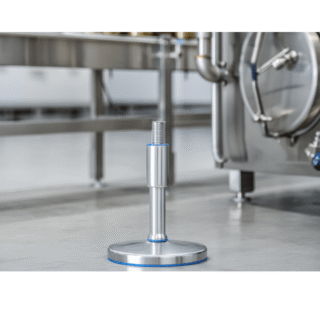
La minaccia corrosiva nascosta nella conservazione degli alimenti: i componenti della tua macchina si guastano silenziosamente?
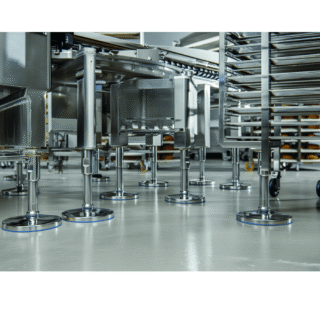
Il rischio di contaminazione nascosto nel tuo panificio: i componenti delle tue macchine stanno sabotando i tuoi standard igienici?
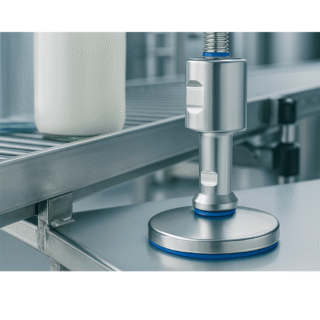
La minaccia nascosta nel tuo caseificio: i componenti dei tuoi macchinari compromettono la sicurezza alimentare?
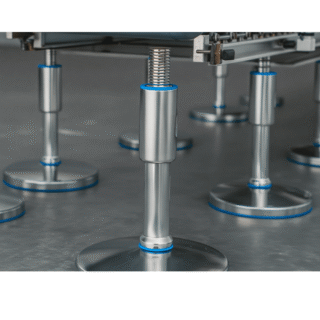
Il killer silenzioso dell'efficienza del trasportatore: i tuoi componenti creano colli di bottiglia?
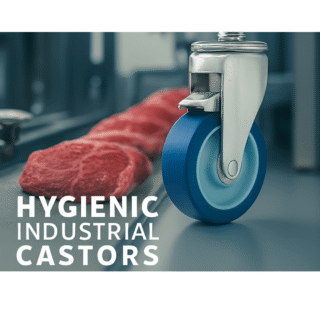
Il rischio nascosto nella lavorazione della carne: i componenti della tua macchina sono un punto debole?
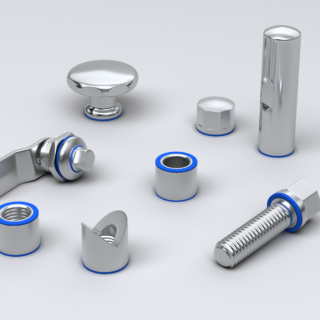
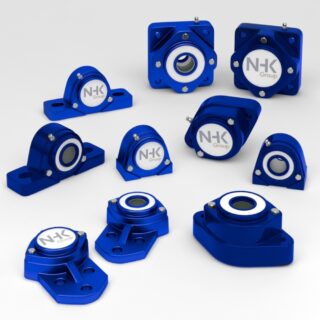
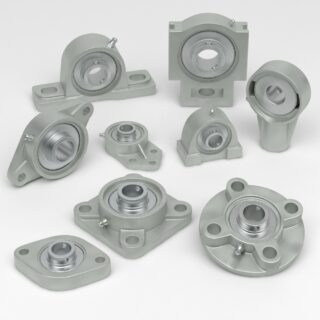
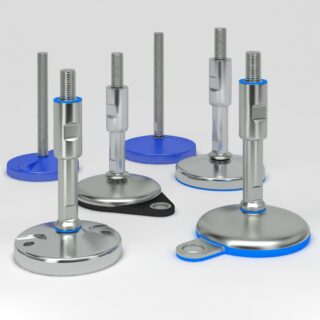
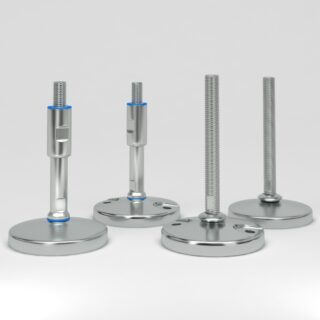
Componenti Industriali e Standard di Protezione
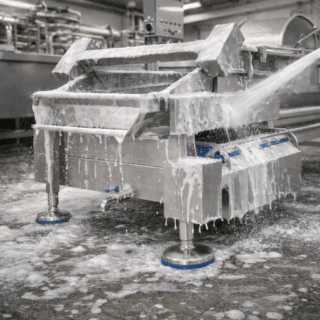
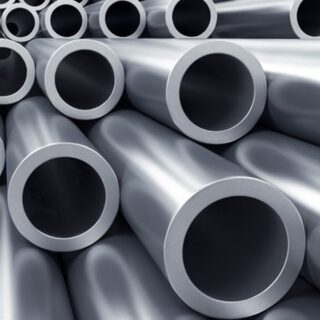
L'industria della trasformazione alimentare e le macchine per l'imballaggio richiedono componenti precisi che soddisfino rigorosamente gli standard internazionali di protezione, durabilità e igiene completa. La classificazione IP è assolutamente fondamentale per determinare l'idoneità dei componenti in ambienti umidi, corrosivi o con lavaggio ad alta pressione intenso. Lo standard IP67 fornisce protezione completa contro polvere e immersione temporanea in acqua, mentre IP68 e IP69K offrono livelli di protezione ancora superiori, specificamente progettati per ambienti di pulizia industriale intensiva e continua. La scelta dei materiali in acciaio inossidabile è critica e vitale per la fabbricazione di macchinari igienici moderni. Gli acciai inossidabili 440 e 420 presentano proprietà distintamente distinte perfettamente adattate ad applicazioni specifiche diverse. L'acciaio 440 offre durezza superiore eccezionale e ritenzione del filo straordinaria, ideale per utensili da taglio e strumenti sottoposti a elevata usura continua. L'acciaio 420 fornisce migliore resistenza alla corrosione e preferito nelle attrezzature di trasformazione alimentare. I cuscinetti di precisione sono fondamentali e assolutamente indispensabili per il funzionamento ottimale dei macchinari industriali. I standard internazionali continuano a evolversi continuamente per soddisfare le crescenti esigenze dell'industria moderna. L'innovazione tecnologica permette il miglioramento costante dei processi di produzione e delle metodologie. La qualità è un fattore determinante nel successo competitivo delle aziende moderne. L'investimento in componenti di qualità superiore garantisce risultati eccellenti nel tempo.