












Scegliere tra AISI 440C stainless steel vs hardened AISI 420 is not just a metallurgical decision. It is a practical decision that affects wear life, corrosion performance, service intervals, machining effort, and the total cost of ownership of a component. Both grades belong to the martensitic stainless family, which means both can be hardened by heat treatment and both are used where strength matters. The key difference is that 440C is a higher-carbon, higher-hardness grade, Mentre 420 is a broader, more flexible family often selected when a balance of hardness, corrosion resistance, manufacturability, and cost is needed. Typical chemistry ranges underline that difference: 440C commonly carries about 0.95–1.20% carbon and 16–18% chromium, while common 420 specifications start around 0.15% carbon with about 12–14% chromium. 440C can reach about HRC 60, while common 420 variants are often in the mid-40s to mid-50s HRC range depending on the exact subtype and heat treatment. La differenza fondamentale tra AISI 440C stainless steel vs hardened AISI 420 starts with chemistry. Both are martensitic stainless steels, which means they can be hardened by heat treatment. However, 440C contains significantly more carbon than standard 420 grades. That higher carbon content allows 440C to form more hard carbides and achieve higher final hardness after heat treatment. AISI 420 is also a hardenable stainless steel, but it is a broader and more flexible grade family. Depending on the exact 420 subtype and heat treatment route, it can offer a useful range of hardness and corrosion resistance. That is why hardened 420 is widely used across industrial applications where strength and stainless performance are needed, but where extreme wear resistance is not the only design priority. In simple terms, 440C is optimized more toward maximum hardness and wear resistance, Mentre 420 is optimized more toward balanced industrial performance. Hardness is one of the most important selection criteria in this comparison. In many cases, the reason 440C is chosen over hardened 420 is straightforward: it can usually achieve a higher hardness level. AISI 440C can commonly reach around 58 to 60 HRC, and in some optimized conditions even slightly more. Hardened AISI 420 is usually found in a somewhat lower range, often around 48 to 56 HRC, depending on the exact grade chemistry, heat treatment, and final temper condition. That difference may appear small on paper, but in wear-critical parts it can have a major effect on service life. Higher hardness often improves resistance to: This is why 440C is often preferred in bearing components, valve seats, and precision wear parts. The material is especially useful when the component must hold its shape and surface quality over long operating cycles. Hardened 420 still offers strong performance, but it is usually better suited to parts where the wear demand is moderate rather than extreme. In many industrial components, 420 provides more than enough hardness without moving to the more wear-focused specification of 440C. One of the most common misunderstandings in this comparison is to assume that the harder grade is automatically better in every environment. That is not always true. Both 440C and 420 are martensitic stainless steels. Neither should be expected to match the corrosion resistance of austenitic stainless steels such as 304 or 316 in highly aggressive environments. However, both can perform well in the right condition, especially when properly hardened, ground, polished, and passivated. Hardened 420 often performs very well in environments involving: 440C can also provide good corrosion resistance, especially when finished correctly, but its main advantage is still wear resistance rather than broad corrosion tolerance. In many applications, corrosion resistance is strongly influenced by surface finish, retained free iron, passivation quality, and how the part is heat treated. That means the real comparison is not just material versus material. It is also material plus heat treatment plus surface finish plus service environment. From a technical point of view, heat treatment is central to the performance of both grades. Without the correct thermal cycle, neither 440C nor 420 will deliver its expected hardness, microstructure, or corrosion behavior. AISI 420 is typically hardened by austenitizing, quenching, and tempering. The exact temperatures vary depending on the specific subtype and product form. The final properties also depend on section thickness, furnace control, quench method, and tempering temperature. AISI 440C follows a similar hardening route, but because of its higher carbon content, it generally produces a harder martensitic structure with more carbide formation. That improves wear resistance, but it can also make the material less forgiving in some manufacturing situations. In both grades, improper tempering can reduce corrosion resistance or dimensional stability. That is why serious component design should always consider the full manufacturing route, not just the material name on the drawing. A technically correct material choice also looks at production, not only end-use performance. In the annealed condition, both materials can be machined, although neither is considered especially easy compared with lower-strength stainless steels. Once hardened, machining becomes much more difficult. This is particularly true for 440C, which is often selected specifically because it becomes very hard. That has several implications: For many manufacturers, this is one of the strongest arguments in favor of hardened 420. If the application does not truly require the extra wear resistance of 440C, 420 may provide a more efficient route from raw material to finished part. This is especially relevant in production programs where cost control, lead time, and repeatability matter as much as peak material performance. When comparing AISI 440C stainless steel vs hardened AISI 420, the intended application often reveals the best answer. AISI 440C is commonly selected for: Hardened AISI 420 is commonly selected for: The difference is not that one material is modern and the other outdated. The difference is that they are optimized for different priorities. 440C is often the better choice where contact surfaces must survive long periods of high stress and friction. 420 is often the better choice where reliable all-round stainless performance is needed across a wider range of parts. This material comparison is especially important in industrie where components face both mechanical stress and regular cleaning. Typical industries include food processing, pharmaceutical manufacturing, medical equipment, pumps and valves, packaging machinery, conveyor systems, and precision mechanical assemblies. In hygienic industries, engineers must look beyond basic stainless labeling. They must consider: For example, a bearing insert in a wet production environment may benefit from 440C if wear is the dominant concern. A stainless shaft or knife in the same facility may be better served by hardened 420 if the duty cycle is less severe and manufacturing practicality matters more. Experience shows that material over-specification can be expensive. It is easy to choose the hardest grade and assume it is the safest decision. In reality, that can increase cost without delivering a proportional benefit. A better engineering approach is to identify the real failure mechanism first. Ask what usually causes replacement: If wear is the primary failure mode, 440C often justifies its selection. If the part fails for broader reasons and needs a balanced stainless solution, hardened 420 often becomes the smarter choice. A trustworthy comparison of AISI 440C stainless steel vs hardened AISI 420 should avoid oversimplification. Neither material is universally superior. Each one performs best when matched to the correct operating conditions. Technical expertise means understanding that material selection depends on: Authoritative engineering decisions are based on datasheets, heat treatment capability, service conditions, and validation testing. Trustworthy material recommendations also acknowledge tradeoffs clearly. The better material depends on the application. Scegliere AISI 440C when you need maximum hardness, high wear resistance, strong dimensional stability, and reliable performance in demanding rolling or sliding contact conditions. Scegliere hardened AISI 420 when you need a more balanced combination of hardness, corrosion resistance, manufacturability, and cost-effectiveness for general industrial service. In the end, the right material is not the one with the highest hardness value on paper. It is the one that performs most reliably in the real environment where the component must operate.AISI 440C Stainless Steel vs Hardened AISI 420: Which Material Fits Your Application Best?
NHK insight
“In many projects, the cost of one product hold easily exceeds the extra investment in properly certified components.”What Is the Main Difference Between AISI 440C and Hardened AISI 420?
Durezza e resistenza all'usura
Corrosion Resistance in Real Industrial Conditions
Heat Treatment and Metallurgical Performance
Machinability and Manufacturing Considerations
Usage in Bearings, Valves, Blades, and Precision Parts
Industries Where This Comparison Matters Most
Experience and Practical Material Selection
Expertise, Authoritativeness, and Trustworthiness in Material Decisions
Which Material Is Better?
Contatto
Articoli
Il vero costo dei tempi di inattività: i componenti della tua macchina per l'imballaggio sono una bomba a orologeria?
Apparecchiature per la lavorazione dei liquidi: fonti di contaminazione nascoste nei componenti delle macchine
La minaccia corrosiva nascosta nella conservazione degli alimenti: i componenti della tua macchina si guastano silenziosamente?
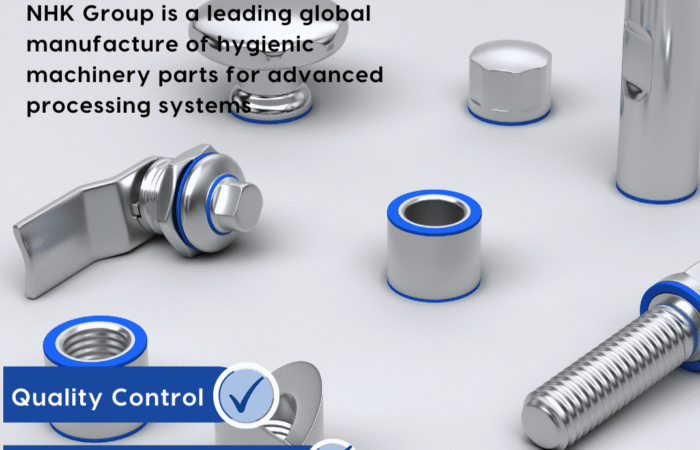
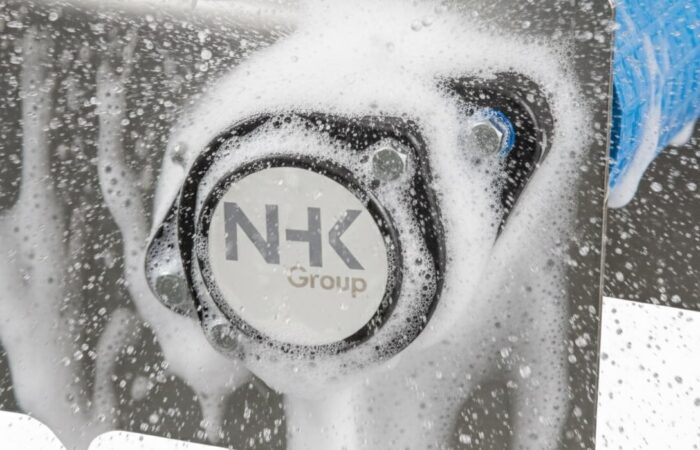
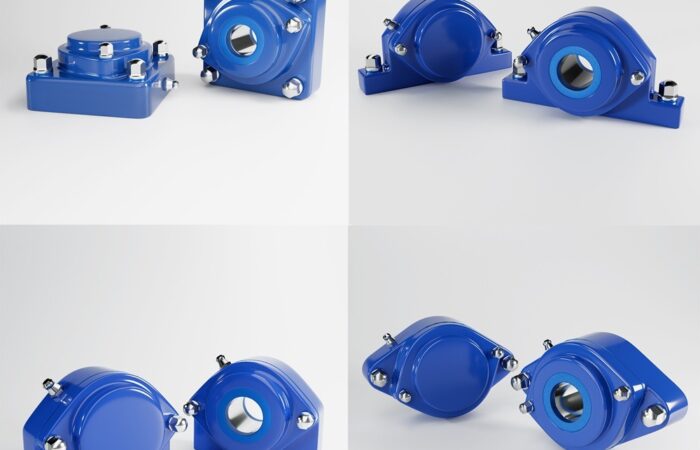
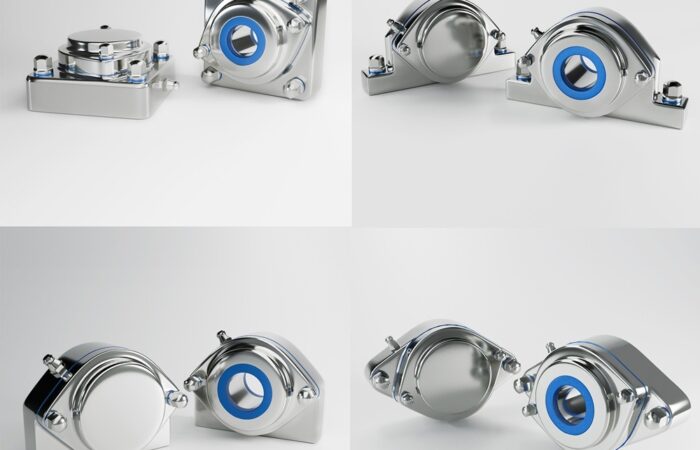
Componenti Industriali e Standard di Protezione
L'industria della trasformazione alimentare e le macchine per l'imballaggio richiedono componenti precisi che soddisfino rigorosamente gli standard internazionali di protezione, durabilità e igiene completa. La classificazione IP è assolutamente fondamentale per determinare l'idoneità dei componenti in ambienti umidi, corrosivi o con lavaggio ad alta pressione intenso. Lo standard IP67 fornisce protezione completa contro polvere e immersione temporanea in acqua, mentre IP68 e IP69K offrono livelli di protezione ancora superiori, specificamente progettati per ambienti di pulizia industriale intensiva e continua. La scelta dei materiali in acciaio inossidabile è critica e vitale per la fabbricazione di macchinari igienici moderni. Gli acciai inossidabili 440 e 420 presentano proprietà distintamente distinte perfettamente adattate ad applicazioni specifiche diverse. L'acciaio 440 offre durezza superiore eccezionale e ritenzione del filo straordinaria, ideale per utensili da taglio e strumenti sottoposti a elevata usura continua. L'acciaio 420 fornisce migliore resistenza alla corrosione e preferito nelle attrezzature di trasformazione alimentare. I cuscinetti di precisione sono fondamentali e assolutamente indispensabili per il funzionamento ottimale dei macchinari industriali. I standard internazionali continuano a evolversi continuamente per soddisfare le crescenti esigenze dell'industria moderna. L'innovazione tecnologica permette il miglioramento costante dei processi di produzione e delle metodologie. La qualità è un fattore determinante nel successo competitivo delle aziende moderne. L'investimento in componenti di qualità superiore garantisce risultati eccellenti nel tempo.