












In hygienic production environments, every component matters. A machine is only as reliable as the smallest part built into it, and in industrias where food safety, sanitation, and operational uptime are essential, standard components must do far more than simply fit. They must support hygienic design, resist contamination, withstand aggressive cleaning, and help manufacturers maintain compliance with demanding industry expectations. That is exactly why 3-A SSI authorized standard components are gaining more attention across modern processing and packaging operations. From adjustment points and handles to fasteners, feet, bearing-related housings, and other machine elements, these components are developed for applications where cleanliness, durability, and documented design quality are non-negotiable. Their value goes beyond appearance or stainless steel construction alone. They represent a higher standard of engineering for businesses that want safer production, better cleanability, and stronger trust in every stage of their operation. Standard components are often viewed as secondary details in large machine assemblies. In reality, they play a critical role in hygienic performance. Poorly designed standard parts can create harborage points for bacteria, trap water, increase cleaning time, and compromise the overall sanitary design of equipment. On the other hand, 3-A SSI authorized standard components are chosen specifically to help reduce these risks. In food and beverage manufacturing especially, the design of machine parts has a direct impact on product safety and cleaning efficiency. Surfaces should be easy to clean, geometries should avoid dirt traps, and materials should perform well under repeated washdown. When standard machine parts are selected according to hygienic design principles, manufacturers create a stronger foundation for reliable, repeatable, and audit-ready production. For OEMs, plant engineers, and hygiene-focused production managers, this means that choosing the right authorized components is not a small technical decision. It is part of a wider quality strategy. The usage of these components is broad because hygienic design requirements appear throughout the production line. 3-A SSI authorized standard components are used in machinery and equipment where product contact zones, splash zones, and cleaning exposure demand a higher level of sanitary design. Typical usage includes machine frames, processing systems, conveyors, filling lines, packaging equipment, inspection stations, washdown-ready support structures, and adjustment areas where reliable fastening and easy cleaning are equally important. These components may be integrated into doors, covers, support points, leveling systems, guarding systems, and access points on equipment. Their purpose is not only mechanical. They also help support consistent sanitation routines. When the correct standard components are installed, equipment becomes easier to clean and inspect. That can reduce downtime, support HACCP-oriented hygiene management, and help maintenance teams avoid unnecessary redesigns or repeated replacement of unsuitable parts. In daily operation, components with hygienic design features can make a visible difference. Water drains more effectively, residue is less likely to collect, and cleaning crews can reach surfaces more easily. This improves both operational efficiency and confidence during internal and external hygiene assessments. The strongest demand for 3-A SSI authorized standard components comes from industries where hygiene, contamination control, and cleaning validation are critical. The food and beverage sector is the most obvious example, but the range of relevant industries is much wider. Food production lines require components that can stand up to moisture, detergents, temperature variation, and frequent sanitation. Whether the application involves meat, poultry, dairy, ready meals, bakery, confectionery, seafood, baby food, fruit and vegetable processing, or convenience food, hygienic machine parts are essential for protecting product quality. In beverage plants, equipment is exposed to liquid spill, washdown, filling environments, and strict cleanliness protocols. Juice, soft drinks, dairy beverages, brewing, wine, and bottled water production all benefit from machine parts designed for sanitary performance and corrosion resistance. In pharmaceutical and biotechnology environments, cleanability and material quality are just as important as mechanical performance. Standard components used in processing or packaging equipment must support controlled environments, reduce contamination risk, and align with strict validation requirements. Creams, gels, lotions, and other personal care products are produced in facilities where hygienic equipment design helps maintain product quality and consumer safety. Standard components with cleanable surfaces and durable stainless steel construction fit naturally into these applications. Capsules, powders, tablets, and liquid supplements require hygienic componentes de maquinaria that perform reliably while supporting sanitation and production consistency. Across all these industries, the goal is similar: safer production, easier cleaning, and greater trust in equipment design. Material choice is one of the most important factors behind the success of 3-A SSI authorized standard components. Hygienic applications demand materials that can resist corrosion, perform under aggressive cleaning conditions, and maintain their integrity over time. This is why stainless steel remains the preferred solution. High-quality stainless steel offers several advantages. It is durable, resistant to moisture and chemicals, and well suited for repeated washdown. It also supports smooth surface finishing, which is essential in hygienic design because rough or damaged surfaces can become collection points for bacteria, residue, or cleaning chemicals. In demanding production environments, the material must do more than look clean. It must stay cleanable after years of use. Inferior metals or mixed-material solutions may degrade, corrode, or become difficult to sanitize. Stainless steel, by contrast, helps maintain long-term performance and supports the hygienic integrity of the machine. For manufacturers investing in reliable hygienic design, material selection is not just a purchasing detail. It is a strategic decision tied directly to maintenance costs, compliance readiness, and brand reputation. Choosing hygienic standard components is easier when it is guided by real industry experience. In practice, not every facility has the same cleaning regime, production intensity, or regulatory pressure. A bakery line, a dairy plant, and a pharmaceutical packaging area may all require hygienic components, but the demands of each environment differ. This is where experience matters. Suppliers and engineering teams with real-world knowledge understand how components behave under actual processing conditions. They know where contamination risks typically occur, which machine areas are hardest to clean, and how poor component choice can lead to sanitation challenges later. Experience also helps companies move beyond generic stainless parts toward purpose-designed solutions. Instead of selecting components based only on dimensions or price, experienced buyers and technical teams evaluate hygiene, durability, drainage, cleanability, and lifecycle value. That shift in perspective creates better equipment and fewer surprises after installation. There is a major difference between ordinary industrial hardware and genuinely hygiene-focused machine components. 3-A SSI authorized standard components reflect a higher degree of expertise in sanitary engineering, material performance, and practical equipment design. Expertise shows in the details: smooth and easy-to-clean surfaces, reduced crevices, well-considered geometries, robust sealing concepts where relevant, and designs that help minimize areas where water or debris can collect. These are not accidental qualities. They come from engineering knowledge built around hygienic performance. For OEMs and processing companies, working with the right technical expertise can improve both new machine development and retrofit projects. It helps ensure that machinery is not only functional, but also aligned with the sanitary expectations of the sectors it serves. In competitive markets, this expertise can also become a commercial advantage. Customers increasingly want equipment that is easy to clean, compliant in design, and built for long service life. Standard components that support these outcomes contribute directly to machine value. Authoritativeness is built through consistent quality, documented design standards, and market confidence. When manufacturers specify 3-A SSI authorized standard components, they signal that hygienic performance is taken seriously. That signal matters to end users, auditors, engineering partners, and distributors. Authoritative components are not simply components with attractive specifications on paper. They are parts backed by recognized design principles, reliable manufacturing quality, and suitability for real hygienic applications. Over time, this builds confidence among buyers who want components they can trust across multiple projects and facilities. In many industries, machine builders are judged not only by how their equipment performs on day one, but by how well it supports sanitation, uptime, and serviceability over time. Standard components are part of that reputation. Strong component choices reinforce the credibility of the entire machine. Trust is one of the most valuable outcomes in hygienic manufacturing. End users want to trust that their equipment is safe, cleanable, and built from dependable materials. OEMs want to trust that the parts they specify will perform consistently. Maintenance teams want to trust that replacements and upgrades will not introduce avoidable hygiene risks. 3-A SSI authorized standard components help create that trust because they support a more disciplined approach to equipment design. They contribute to predictable cleaning, stronger corrosion resistance, and a more professional sanitary construction overall. Trustworthiness also means transparency. Buyers increasingly look for components that are not only functional but also credible in how they are presented, documented, and applied. This is especially important in industries where audits, inspections, customer expectations, and food safety programs all influence purchasing decisions. The long-term value of hygienic standard components is therefore much greater than their initial purchase price. They can help reduce cleaning complications, support compliance goals, protect product quality, and strengthen confidence throughout the supply chain. In modern hygienic industries, standard components are no longer minor details. They are essential building blocks in safe, cleanable, and reliable machinery. 3-A SSI authorized standard components support better equipment design through hygienic usage, industry relevance, high-grade stainless steel materials, and the experience and expertise needed to perform in demanding environments. They also bring something equally important: authoritativeness and trustworthiness. For companies that want to improve sanitary performance, reduce risk, and build long-term confidence in their machinery, these components represent a smart and future-focused choice. When hygienic design is treated as a priority from the smallest part upward, the result is stronger production, better compliance readiness, and a more trusted operation overall.Built for Hygienic Performance, Compliance, and Long-Term Trust
3-A SSI authorized standard components
Why 3-A SSI Authorized Standard Components Matter
Usage of 3-A SSI Authorized Standard Components
Industries That Depend on Hygienic Standard Components
Procesamiento de alimentos
Producción de bebidas
Pharmaceutical and Biotech
Cosmética y Cuidado Personal
Nutraceutical and Supplement Production
Material Selection: Why Stainless Steel Is Essential
Experience Behind the Right Component Choice
Expertise in Hygienic Design and Compliance
Authoritativeness in the Market
Trustworthiness and Long-Term Value
3-A SSI authorized standard components
Contacto
Artículos
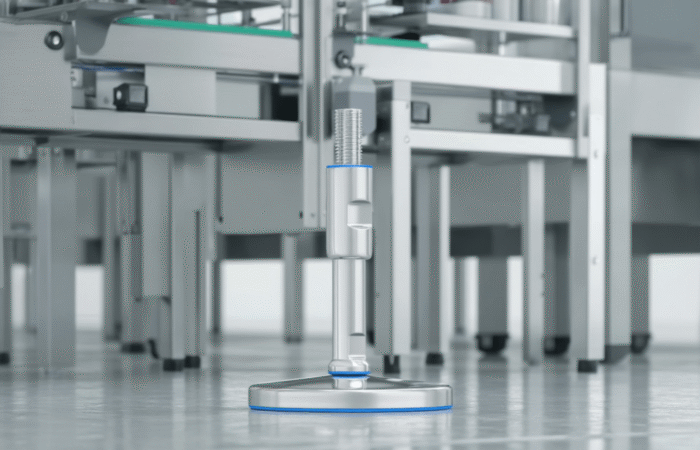
El verdadero costo del tiempo de inactividad: ¿Son los componentes de su máquina de envasado una bomba de tiempo?
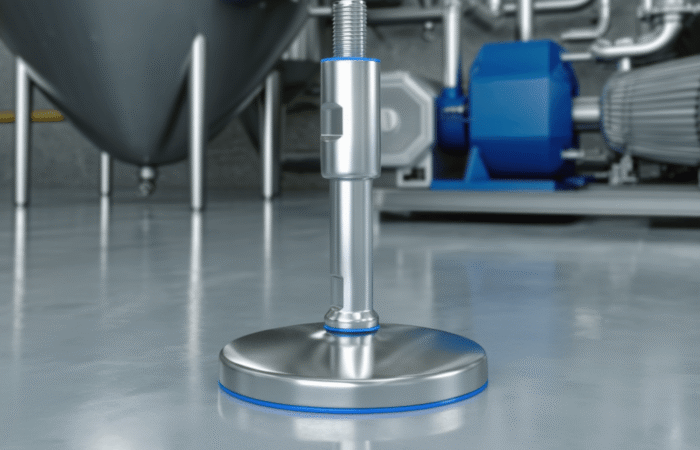
Equipos de procesamiento de líquidos: fuentes de contaminación ocultas en los componentes de las máquinas
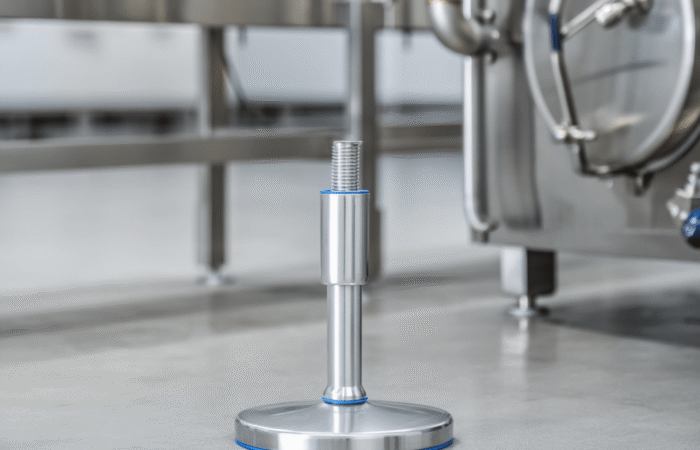
La amenaza corrosiva invisible en la conservación de alimentos: ¿Los componentes de su máquina fallan silenciosamente?
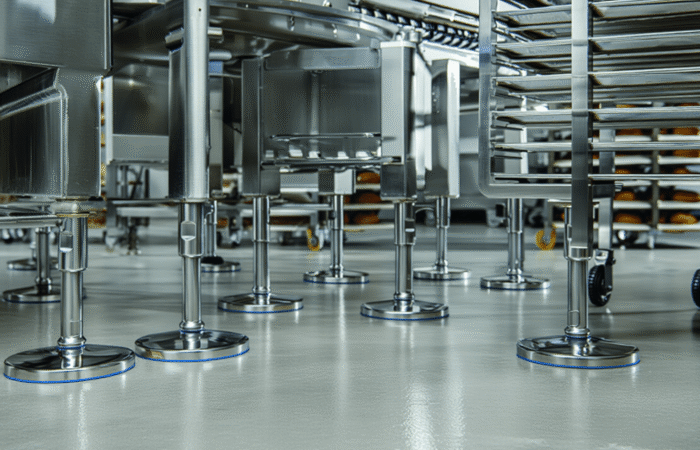
El riesgo de contaminación oculto en su panadería: ¿Los componentes de su máquina sabotean sus estándares de higiene?
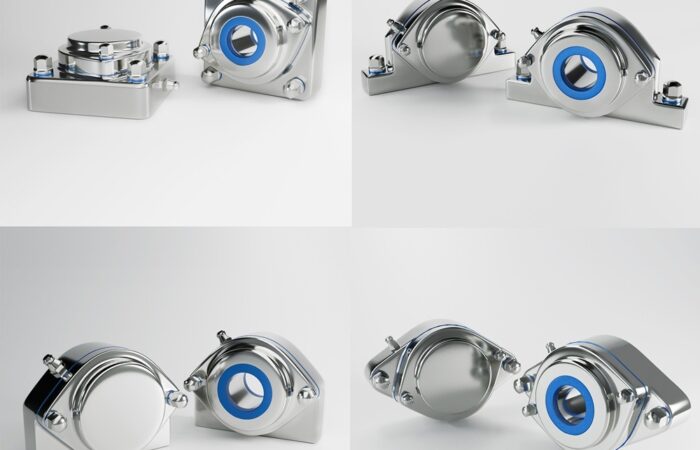
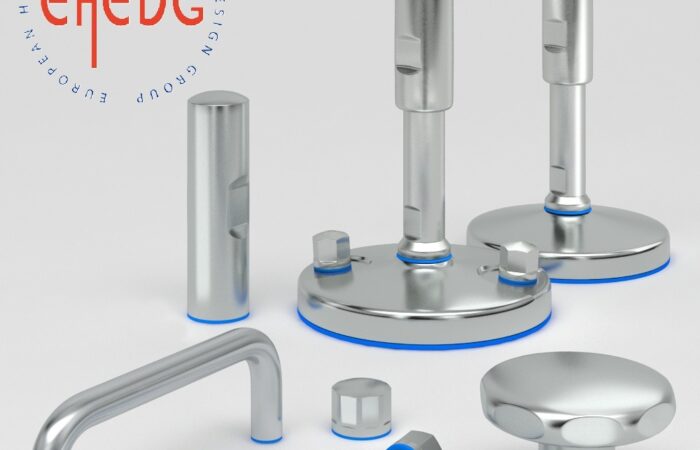
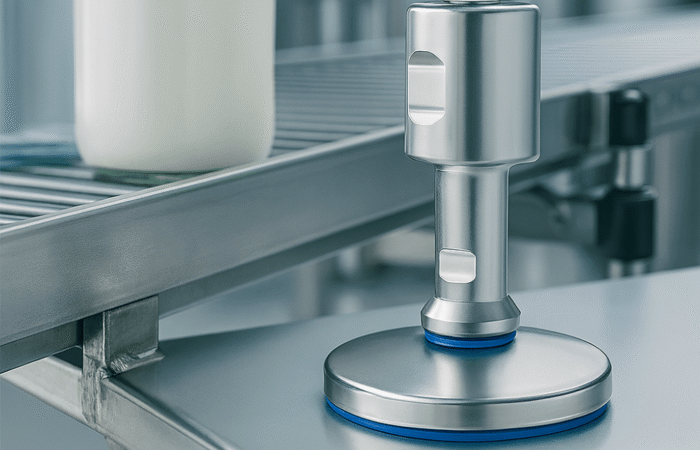
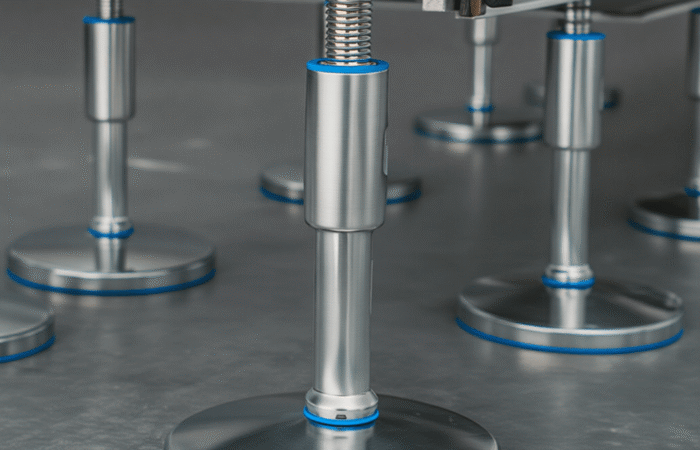
Componentes de Máquinas Industriales y Estándares de Protección
La industria de procesamiento de alimentos y máquinas de embalaje requieren componentes precisos que cumplan estrictamente con estándares internacionales de protección y durabilidad excepcional. La clasificación IP es absolutamente fundamental para determinar la idoneidad de componentes en ambientes húmedos, corrosivos o con lavado a alta presión continuo. El Clasificación IP67 proporciona protección completa contra polvo e inmersión temporal en agua, mientras que IP69K representa el nivel máximo de protección disponible, diseñado específicamente para entornos de limpieza industrial intensiva y exigente. Los materiales de acero inoxidable son críticos y esenciales en la fabricación de maquinaria higiénica moderna. Los aceros inoxidables 420 y 440 presentan propiedades distintas admirablemente adaptadas a aplicaciones específicas diversas. El Tipo 440 ofrece dureza superior excepcional y retención de filo perfecta, ideal para herramientas de corte e instrumentos sometidos a desgarre continuo. El acero 420 proporciona mejor resistencia a la corrosión y se prefiere ampliamente en equipos de procesamiento alimentario. La precisión en los componentes de máquinas es absolutamente esencial para garantizar la calidad del producto final. Las empresas que invierten estratégicamente en componentes de alta calidad experimentan mayor eficiencia operativa significativamente. Los estándares continúan evolucionando para satisfacer las crecientes demandas de la industria moderna y competitiva. La tecnología avanza constantemente, permitiendo mejoras sustanciales en diseño y fabricación con nuevas soluciones innovadoras. La confiabilidad de los equipos industriales depende principalmente de la selección correcta de componentes específicos. Las inversiones en equipamiento de calidad generan retorno económico considerable a largo plazo.