











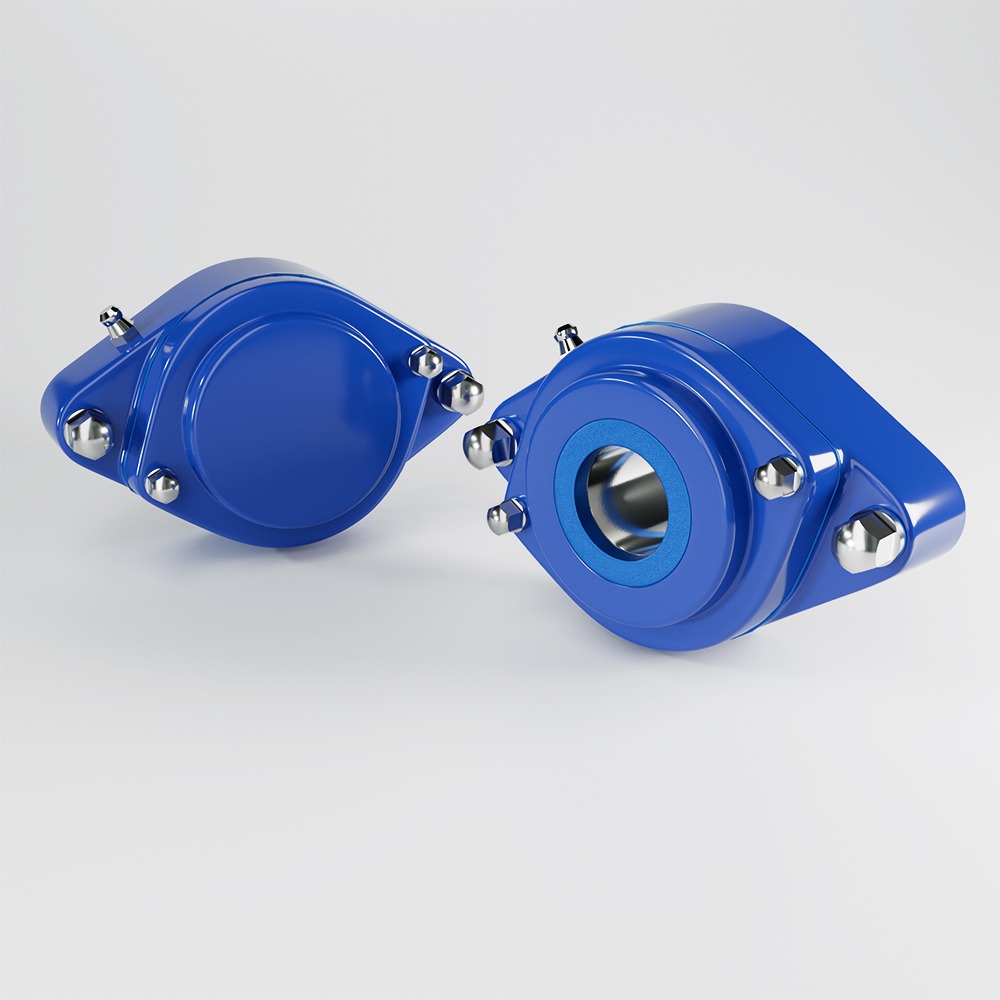

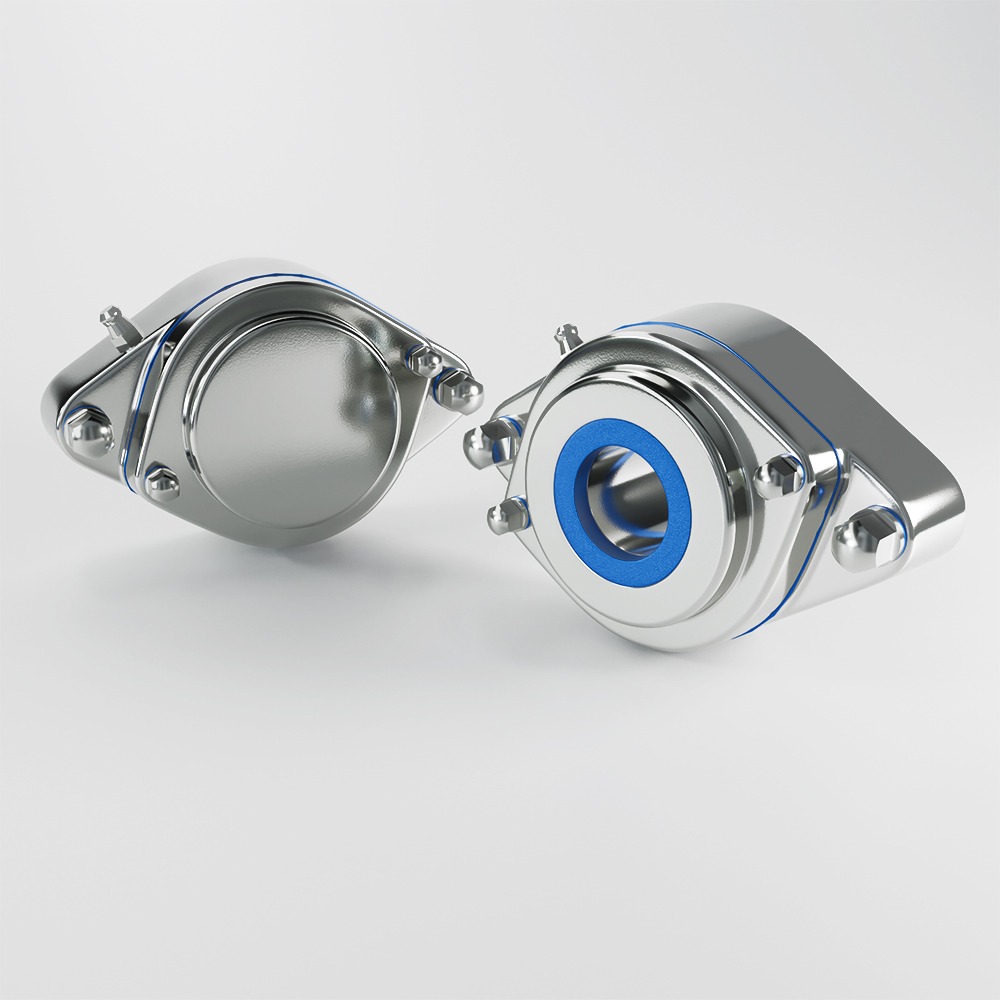
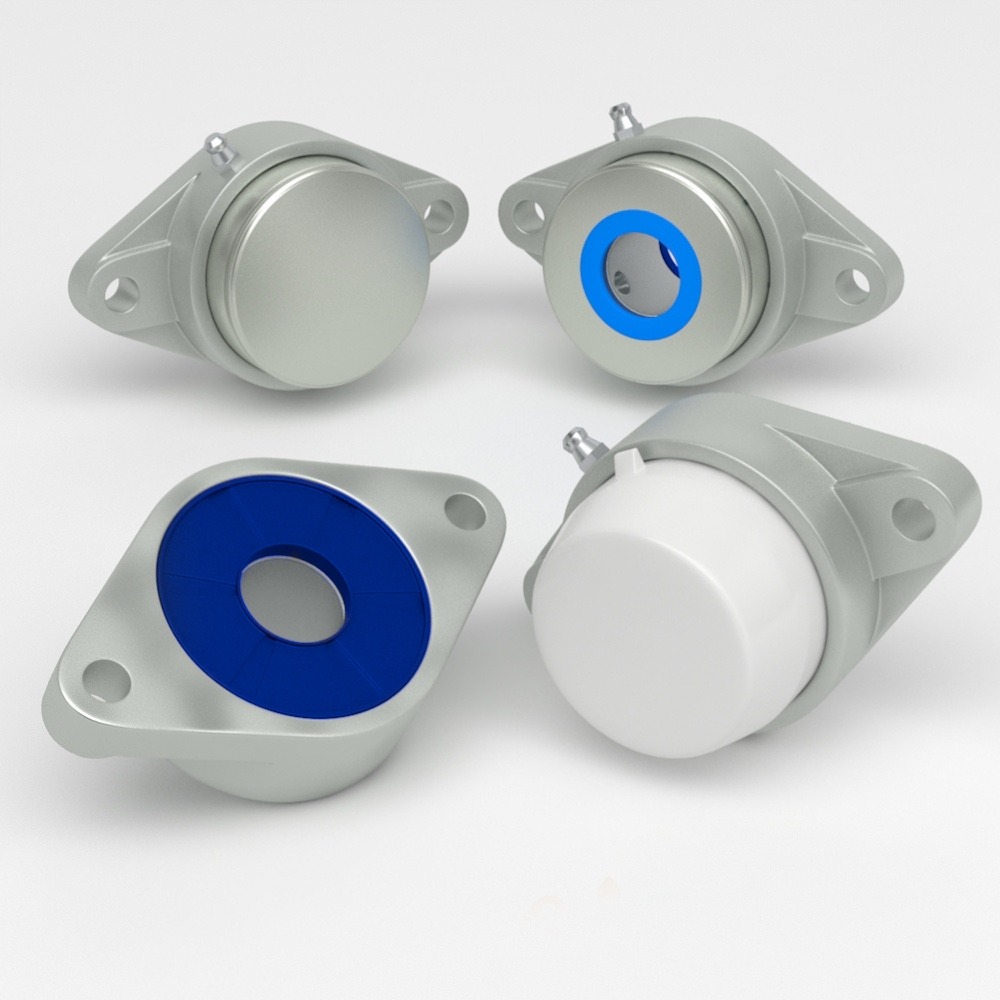
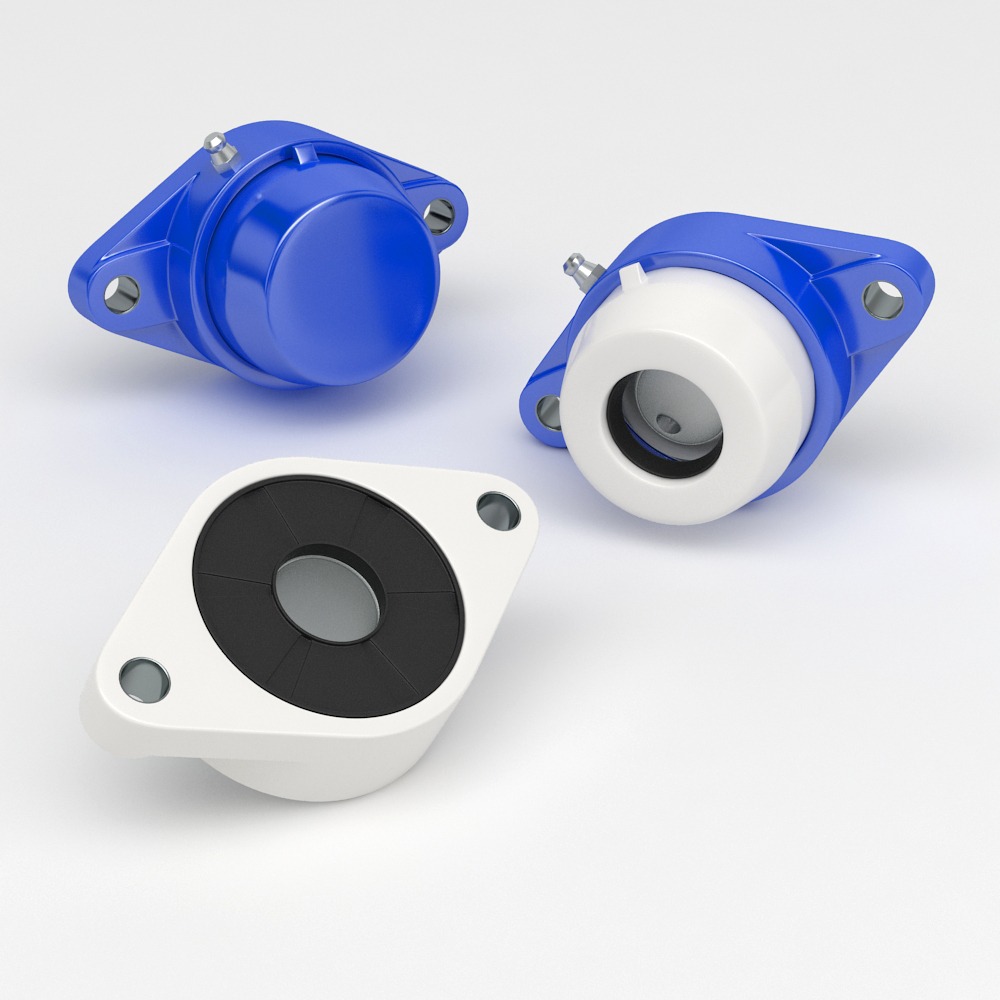
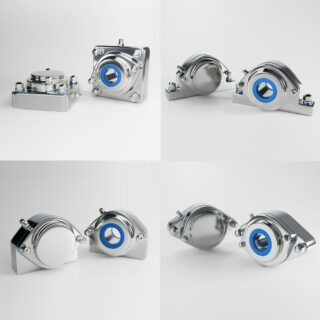
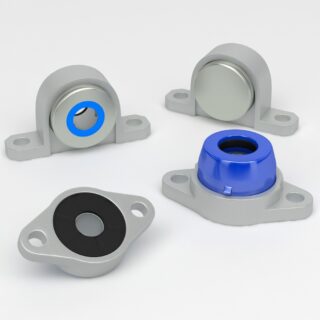
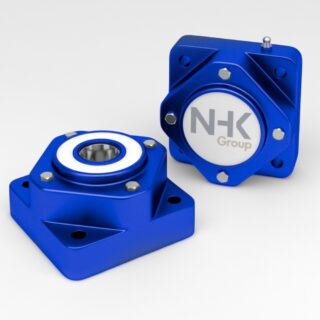
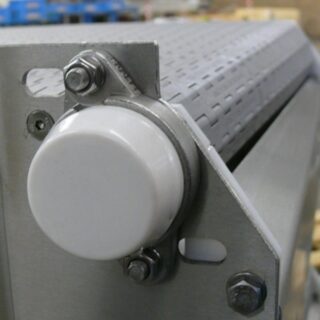
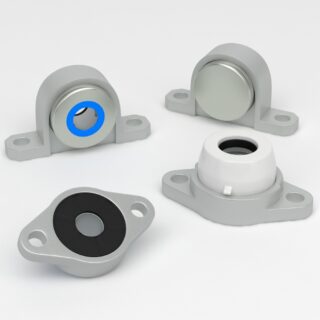
Discover what a two-bolt flange bearing is, where it’s used, how to choose the right unit, and best practices for installation, sealing, and maintenance. IP67 Wasserdichte 2-Loch Ovalflanschlagereinheiten | Zertifizierte hygienische Lagergehäuse A two-bolt flange bearing (often called a 2-bolt flange bearing unit oder 2-bolt flanged bearing) is a mounted bearing assembly designed to support a rotating shaft while being bolted to a flat surface. The “two-bolt flange” refers to the mounting flange with two bolt holes, allowing quick, secure alignment on machine frames, side plates, conveyor structures, guards, and panels. Most two-bolt flange bearing units consist of: A housing (flange body) with two mounting holes A bearing insert (typically a ball bearing) A locking method to fix the insert to the shaft (set screw, eccentric collar, or clamp style) Optional seals and covers to protect against contamination and washdown This design is popular because it offers a strong, compact mounting method while simplifying maintenance and replacement. 2-Loch Ovalflanscheinheit SFL aus Edelstahl mit Deckel | NHK Machinery Parts Two-bolt flange units are widely chosen because they combine mechanical stability mit simple mounting: The two-bolt pattern makes installation straightforward on flat plates and machine sidewalls. It’s also easy to reposition during line modifications. Two-bolt flange units handle typical radial loads seen in conveyors, packaging machines, processing equipment, and rotating assemblies. When maintenance is required, many units allow the insert to be changed without redesigning the machine. From light dust protection to aggressive washdown, sealing levels can be matched to the environment. Ovale FLPL-Kugellagereinheit mit 2 Bolzenflanschen | Präzision und Haltbarkeit | NHK Machinery Parts Two-bolt flange bearings are used wherever a shaft needs stable support on a vertical or angled surface, including: Förderbänder (belt, modular, roller, and hygienic conveyors) Verpackungsmaschine (cartoners, case packers, flow wrappers) Lebensmittelverarbeitungsgeräte (washdown zones, wet areas, splashing zones) Beverage lines (filling, rinsing, capping, labeling systems) Pharmaceutical and biotech equipment (cleanable assemblies, controlled environments) Material handling and automation (guides, rollers, actuators, transfer systems) 2-Loch Ovalflanschlagereinheit SFL aus Edelstahl | NHK Machinery Parts Choosing the right housing material is critical for reliability and compliance. Ideal for hygienic and corrosion-prone environments: Washdown and chemical exposure Food, beverage, dairy, meat, seafood, ready-meals Pharmaceutical and biotech production Common in general industrial environments: Dry areas, moderate loads Lower cost, strong mechanical stiffness Often used where corrosion resistance and weight reduction matter: Wet environments Good chemical resistance (depends on polymer) Useful in many washdown applications, especially when paired with sealed inserts The insert is the heart of the unit. Best where corrosion resistance is required. Common in hygienic processing and outdoor systems. Used in dry, controlled environments. Typically lower cost, widely available. Contact seals help block water spray and fine contamination Non-contact seals reduce friction and heat but offer less protection Multi-lip seal systems provide stronger protection in wet/washdown zones If your equipment is exposed to frequent cleaning or splashing, prioritize high-quality sealing and a housing designed to reduce crevices. Two-bolt flange bearing inserts typically lock to the shaft in one of these ways: Simple and widely used Best for moderate loads and standard speeds Shaft surface quality matters for holding strength Stronger locking for vibration and reversing loads Common in conveyors and general machinery Even clamping around the shaft Good concentricity and often better for higher speeds and precision applications Popular where vibration, alignment accuracy, or hygienic cleaning routines demand reliability Use this selection checklist: Dry production area vs splash zone vs full washdown Chemicals used (alkaline/acid foams, sanitizers) Temperature range and thermal cycling Radial load (common) and any axial load present Shock loads from starts/stops or product impacts Shaft speed and duty cycle Correct bore diameter Shaft tolerance and surface finish Keyway presence (if used) If your goal is high resistance to water and contamination, choose: Robust seal system Housing design that avoids “dirt shelves” and crevices Corrosion-resistant materials Greaseable vs maintenance-free (sealed-for-life) Re-lubrication intervals and access points Replace insert only vs replace complete unit Correct installation prevents premature wear and failures. Misalignment is a top cause of bearing problems. Ensure the flange sits flat and the shaft rotates freely before final tightening. Over-tightening can distort housings or mounting plates. Under-tightening can cause movement and vibration. Follow manufacturer torque guidance for mounting bolts and locking mechanism. Set screw and collar systems must be correctly positioned. Clamp styles should be evenly tightened to specification. Keep the insert and sealing surfaces clean. In hygienic environments, use clean tools and prevent residue build-up around the housing. Increased noise or vibration Rising operating temperature Shaft play or visible misalignment Grease leakage or water ingress signs Corrosion staining on housing or insert Inspect seals and covers regularly Confirm mounting bolts remain secure Use the correct grease type (if greaseable) and avoid over-greasing Review washdown direction and spray pressure—direct high-pressure spray at seals can shorten life even on sealed units In hygiene-critical production, selection is not just about load—it’s about cleanability and risk reduction. Look for designs that support: Smooth surfaces and minimal crevices Crevice-minimized seal geometry Corrosion-resistant materials suitable for your cleaning regime Optional protective end caps (where appropriate) Documented material suitability and traceability when required A two-bolt flange unit that survives washdown but traps residue is not truly hygienic—aim for both durability and cleanability. Mini-Zweibolzen-Flanscheinheiten aus Edelstahl SUFL | NHK-Maschinenteile Mini-Zweibolzen-Flanscheinheiten aus Edelstahl SKFL | NHK-Maschinenteile A two-bolt flange is usually more compact and easier to mount on narrow frames. A four-bolt flange can offer more mounting stability for heavier loads or larger shafts. Yes—if you select appropriate materials (often stainless or composite) and robust sealing designed for wet environments. Many bearing inserts allow a degree of self-alignment within the housing. This helps compensate for minor mounting inaccuracies, but it’s not a substitute for good installation and alignment.Two-Bolt Flange Bearing Units
A Comprehensive SEO Guide to Selection, Installation, and Hygienic Performance
NHK insight
“Standardised, certified components reduce the engineering hours needed for documentation, risk assessments, and customer approvals.”What Is a Two-Bolt Flange Bearing?
Why Two-Bolt Flange Bearings Are Used So Often
Fast mounting and repeatable alignment
Good radial load support
Service-friendly design
Flexible sealing options
Common Applications for Two-Bolt Flanged Bearing Units
Two-Bolt Flange Housing Materials and Why They Matter
Stainless steel housings
Cast iron housings
Not recommended for harsh washdown unless properly protected and compatible with cleaning chemicals.Composite (polymer) housings
Bearing Insert Options: Stainless vs Standard, Sealed vs Open
Stainless steel bearing inserts
Standard steel inserts
Sealing levels
Locking Methods: Set Screw, Eccentric Collar, or Clamp
Set screw locking
Eccentric collar locking
Clamp (concentric) locking
How to Choose the Right Two-Bolt Flange Bearing Unit
1) Environment and cleaning method
2) Load and speed requirements
3) Shaft size and fit
4) Sealing and ingress protection expectations
5) Maintenance strategy
Installation Best Practices for Long Bearing Life
Align before tightening
Use correct bolt torque
Confirm shaft locking method is properly engaged
Avoid contamination during assembly
Maintenance and Troubleshooting Tips
Signs your two-bolt flange bearing needs attention
Good routine practices
Hygienic Design Considerations (Food, Beverage, Pharma)
FAQ: Two-Bolt Flange Bearings
What’s the difference between a two-bolt and four-bolt flange bearing?
Can two-bolt flange bearings be used in washdown areas?
Are two-bolt flange bearings self-aligning?
Fragen und Kontakt
Schauen Sie sich unsere anderen Artikel an:
Kontakt
Artikel
Die wahren Kosten von Ausfallzeiten: Sind die Komponenten Ihrer Verpackungsmaschine eine tickende Zeitbombe?
Die unsichtbare Korrosionsgefahr bei der Lebensmittelkonservierung: Versagen Ihre Maschinenkomponenten unbemerkt?
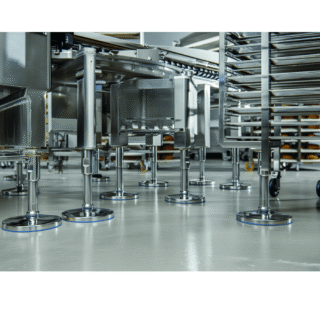
Das versteckte Kontaminationsrisiko in Ihrer Bäckerei: Sabotieren Ihre Maschinenkomponenten Ihre Hygienestandards?
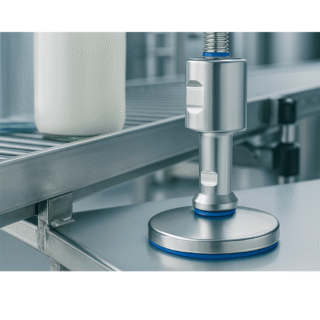
Die unsichtbare Bedrohung in Ihrer Molkerei: Gefährden Ihre Maschinenkomponenten die Lebensmittelsicherheit?
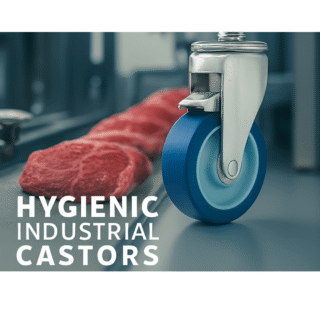
Das unsichtbare Risiko bei der Fleischverarbeitung: Sind Ihre Maschinenkomponenten ein schwaches Glied?
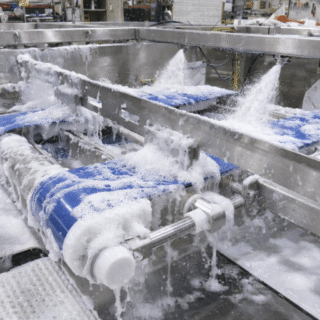
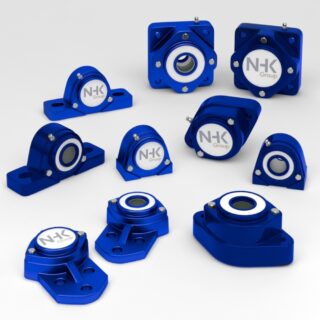
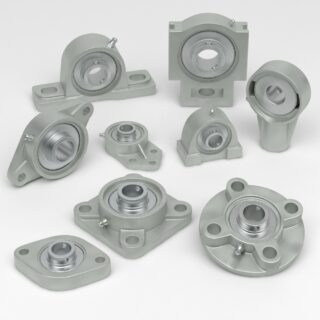
Industriemaschinen und Schutzstandards verstehen
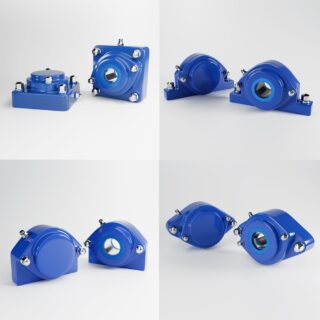
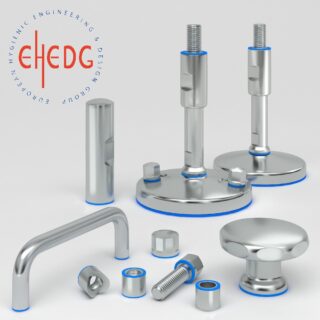
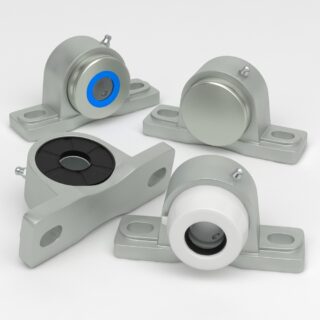
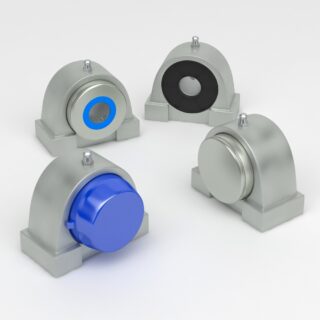
In der modernen Fertigungsindustrie spielen Qualitätskomponenten und internationale Schutzstandards eine entscheidende Rolle für Maschinenzuverlässigkeit und Produktivität. Die Auswahl der richtigen Lagersysteme, Materialien und Schutzklassifizierungen beeinflusst direkt die Betriebsdauer und Wartungskosten von Industrieanlagen erheblich. Kugellagereinheiten wie IP67 Standard bieten umfassenden Schutz gegen Staub und vorübergehende Wasserimmersion, während IP69K die höchste Schutzart darstellt, ideal für Hochdruck-Reinigungsumgebungen in der Lebensmittelverarbeitung. Die Unterscheidung zwischen verschiedenen Stainless-Steel-Sorten ist für Ingenieure und Einkäufer essentiell und erfordert tiefes Fachwissen. Edelstahl in Lebensmittelmaschinen muss nicht nur korrosionsbeständig sein, sondern auch EHEDG Norm für hygienische Reinigung und Sterilisationsprozesse. Versiegelte Kugellager werden in anspruchsvollen Umgebungen eingesetzt, wo Feuchtigkeitsschutz und Langlebigkeit kritisch für den Produktionsprozess sind. Die Oberflächenfinish und Materialzusammensetzung beeinflussen die Lebensdauer erheblich und müssen sorgfältig geplant werden. Schutzart IP69K definieren die höchsten Anforderungen für Schutz, insbesondere in der modernen Lebensmittelindustrie mit ihren anspruchsvollen Hygieneanforderungen. Moderne Fertigungsanlagen erfordern höchste Genauigkeit und Zuverlässigkeit in allen Komponenten und Systemen. Die Qualität der verwendeten Komponenten bestimmt letztendlich die Produktionseffizienz und Produktqualität erheblich. Unternehmen, die in hochwertige Maschinenbauteile investieren, erzielen signifikante Kostenersparnisse durch reduzierte Ausfallzeiten und längere Wartungsintervalle. Lagertechnologie entwickelt sich kontinuierlich weiter, um den wachsenden Anforderungen moderner Produktion gerecht zu werden und neue Herausforderungen zu bewältigen. Die Auswahl zwischen verschiedenen Lagersystemen hängt von vielen Faktoren ab, einschließlich Betriebsumgebung, Produktanforderungen und Langlebigkeit in der modernen Industrie. Spezialisierte Ingenieure müssen verstehen, dass Pillow Block Bearings selbstjustierende Einheiten sind, die Installationen vereinfachen und Wartungskosten erheblich senken. Diese vielseitigen Komponenten werden auf Maschinenrahmen montiert und unterstützen rotierende Wellen mit außergewöhnlicher Präzision in anspruchsvollen Industrieumgebungen. Flange Bearing Units bieten eine kompaktere Alternative, mit integrierten Flanschen, die direkte Montage auf flachen Oberflächen ohne zusätzliche Hardware ermöglichen. Beide Konstruktionen sind in verschiedenen Materialien erhältlich, einschließlich Stainless-Steel-Sorten und 420 Sorten, die für korrosive Umgebungen und Lebensmittelanwendungen optimiert sind, wo Hygiene höchste Priorität hat. Die Materialauswahl ist entscheidend für die Maschinengestaltung, da Edelstahl 440 überlegene Härte und außergewöhnliche Kantenhaltung für Schneidwerkzeuge und hochbelastete Anwendungen bietet, während Edelstahl 420 bessere Korrosionsbeständigkeit und bevorzugte Wahl in Lebensmittelverarbeitungsgeräten darstellt. Moderne Industrieanlagen fordern zunehmend Ausrüstungen, die hohe Leistung mit leichter Wartung und Sanitation kombinieren. Die richtige Komponentenauswahl gewährleistet längere Ausrüstungslaufzeiten, reduzierte Ausfallzeiten und verbesserte Betriebseffizienz in der globalisierten Produktion.